



Exposing Health Myths: The Truth About Exercise, Fat Loss & Sleep

It can be difficult to make sense of the many contradictory recommendations and misconceptions around fitness, sleep, and physical health. This article seeks to dispel popular misconceptions and offer helpful, research-backed advice for reaching and preserving optimal health. People can improve their well-being and live healthier lives by making educated decisions based on their awareness of the science underlying these components of wellness.
The Sedentary Lifestyle Myth


Contrary to popular belief, it’s not just sitting, but the overall lack of movement that can be harmful to health.
Sedentary behavior is linked to several health issues, such as heart disease, obesity, and mental health issues. While it may be easy to assume that sitting is the issue, studies show that moving throughout the day might lessen these risks. For instance, short walks stretches, or stands could promote blood flow, boost metabolism, and sharpen the intellect. According to a Columbia University study, even five minutes of walking every half-hour can help mitigate some of the harmful effects of prolonged sitting.
Actionable Steps:
- Set a timer to stand and stretch every 2 hours, even if it will be just a minute.
- Incorporate short walks during breaks.
Studies: A study by Columbia University observed that five minutes of walking every half hour can offset some harmful effects of prolonged sitting. The study involved participants engaging in light physical activity, demonstrating improvements in blood sugar and insulin levels.
- Participants showed improvements in blood sugar levels.
- Insulin levels were positively affected.
- Short breaks for movement mitigated the risks associated with prolonged sitting.
The Truth About Sleep
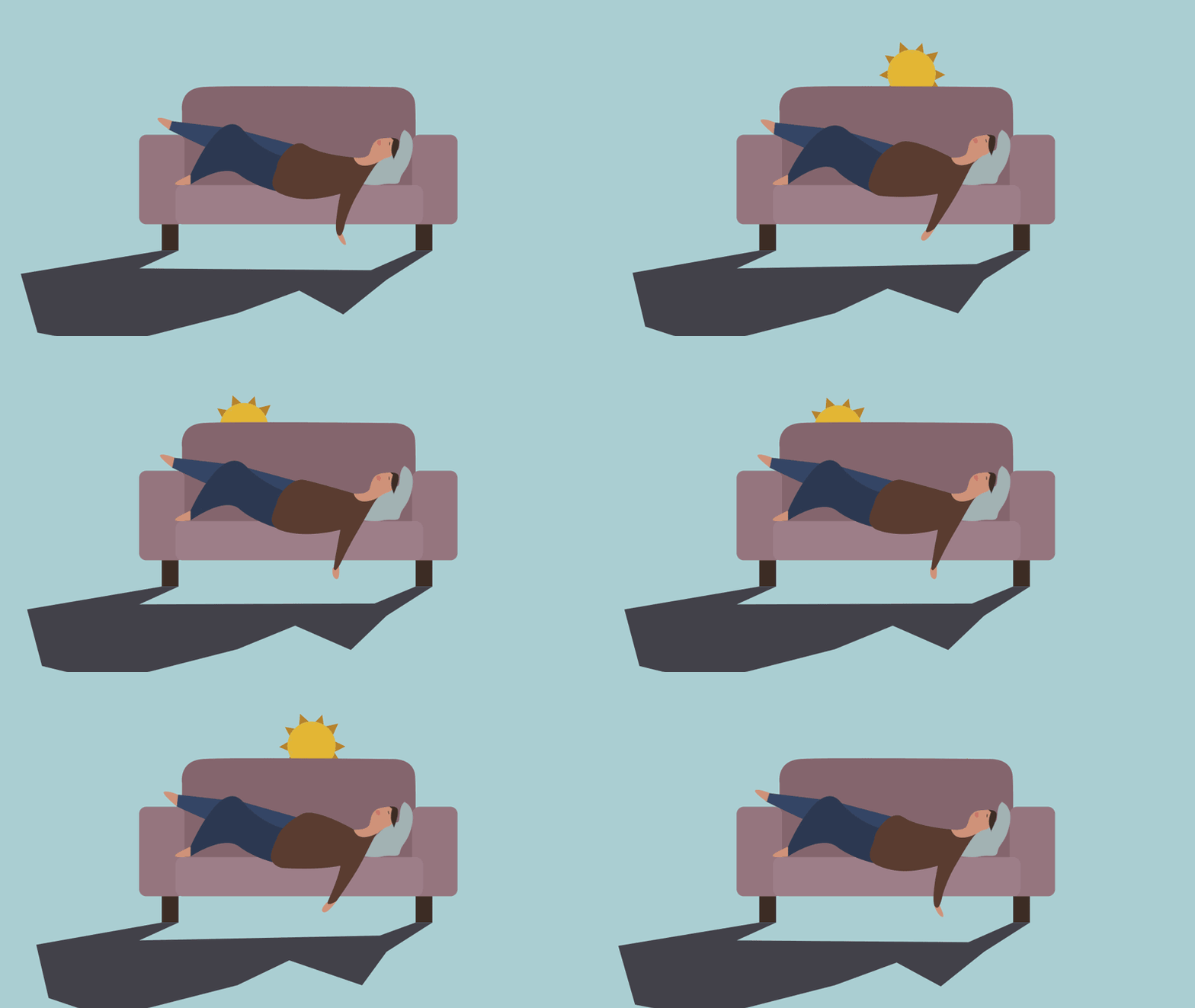

Both the amount and quality of sleep are essential for general health.
Although most adults find that 7 hours of sleep is ideal, consistency and quality of sleep also have a big impact on health outcomes. Cognitive ability, mood, and physical health are all influenced by sleep. A U-shaped curve shows the association between sleep length and health, suggesting that both too little and too much sleep can have a negative impact on one’s health. According to an NIH News in Health article, getting enough sleep enhances mood, mental function, and physical well-being. Frequent sleep deprivation increases the risk of heart disease, stroke, obesity, dementia, and other conditions. The Cleveland Clinic also emphasizes the advantages of sleep, such as strengthening the immune system, and recommends that most individuals get between 7 and 8.5 hours of sleep each night.
Actionable Steps:
- Establish a consistent bedtime routine.
- Create a conducive sleep environment.
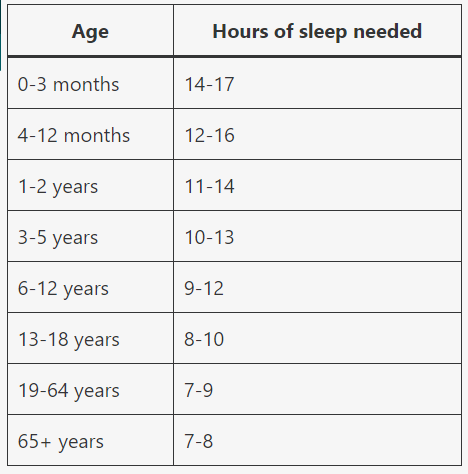
Studies: An article from NIH News in Health emphasizes the importance of sleep for brain performance and overall health. The article compiles findings from various studies, highlighting the link between sleep and health outcomes.
- Good sleep improves brain performance and mood.
- Regular quality sleep reduces the risk of diseases such as heart disease and obesity.
- Sleep influences physical well-being and cognitive function.
The 10,000 Steps Myth:

The recommendation of taking 10,000 steps a day originated from a marketing campaign rather than scientific evidence.
In 1965, a Japanese company introduced a step counter named “Manpo-Kei,” translating to “10,000 steps meter,” which became a popular guideline for daily physical activity. However, recent studies suggest that health benefits can be achieved with fewer steps. A study published in JAMA Internal Medicine found that mortality rates improved with an increase in daily steps, leveling off at approximately 7,500 steps per day. This suggests that the focus should be on consistent and enjoyable physical activity rather than adhering to a specific step count. Engaging in various forms of exercise, such as walking, jogging, dancing, or playing sports, can contribute to overall health and well-being. By prioritizing enjoyable activities, individuals are more likely to maintain a regular exercise routine, leading to sustainable health benefits.
Actionable Steps:
- Focus on enjoyable physical activities.
- Track progress and stay consistent.
Studies: A study published in JAMA Internal Medicine found that mortality rates improved with an increase in daily steps, leveling off at approximately 7,500 steps per day. The study involved analyzing step counts and mortality rates among older women.
- The benefits leveled off at approximately 7,500 steps per day.
- The 10,000 steps target was found to be unnecessary for health improvements.
The Anti-Aging Power of Physical Activity:

Regular exercise can counteract the decline in muscle strength, balance, and flexibility that comes with aging.
Engaging in regular physical activity can promote healthy aging and maintain functional independence. As individuals age, there is a natural decline in muscle mass, strength, and coordination. However, engaging in regular physical activity can counteract these effects and promote healthy aging. Regular exercise, including aerobic activities and strength training, can help improve these aspects at any age. A study published by the National Institutes of Health indicates that exercise interventions in older adults can maintain or improve functional abilities. Incorporating strength training, flexibility exercises, and balance activities into one’s routine can lead to enhanced muscle strength, improved balance, and increased flexibility. By staying active and prioritizing exercise, individuals can promote healthy aging and maintain functional independence.
Actionable Steps:
- Incorporate strength training and flexibility exercises.
- Engage in aerobic activities regularly.
Studies: A study from the National Institutes of Health indicates that exercise interventions in older adults can maintain or improve functional abilities. The study involved randomized controlled trials focusing on physical activity interventions.
- Exercise interventions maintained or improved functional abilities in older adults.
- Regular exercise counteracted declines in strength and coordination.
- Physical activity promotes healthy aging and functional independence.
Fastest Scientific Way to Weight Loss


Exercise and a healthy diet are essential components of long-term weight management.
Physical activity plays a pivotal role in regulating energy expenditure, boosting metabolism, and improving body composition. A balanced approach to weight management involves incorporating regular exercise and making mindful dietary choices. Starting with small, achievable fitness goals and gradually increasing intensity can lead to sustainable weight management practices. Studies indicate that a combination of aerobic exercise and strength training can be effective in managing weight and improving overall health. Regular physical activity can also contribute to improved mood, increased energy levels, and enhanced well-being. Tracking progress, staying consistent, and finding enjoyable activities can contribute to long-term success in weight management. By focusing on holistic health and making gradual changes, individuals can achieve and maintain a healthy weight while enhancing their overall quality of life.
Actionable Steps:
- Start with small fitness goals.
- Combine aerobic exercise and strength training.
Studies: An article from the American Hospital Association delves into the connection between physical activity and weight management, examining how exercise is vital for achieving and sustaining weight loss.
- Physical activity increases calorie expenditure and creates an energy deficit required for weight loss.
- Exercise boosts metabolism, preserves muscle mass, improves insulin sensitivity, and regulates appetite.
- Regular physical activity has psychological advantages, contributing to overall health and well-being.
It need not be difficult to find your way to optimal health. You can make decisions that improve your well-being by dispelling popular myths and knowing the facts supported by science regarding exercise, sleep, and running. Always remember that minor adjustments can result in big gains.
Every little step counts, whether it’s changing your sleeping patterns, adding quick breaks to your routine, or reevaluating your fitness objectives. Accept these doable suggestions and give yourself the upper hand on your path to a happier, healthier life. Maintain your curiosity, be active, and make your health a daily priority.