
Exploring ❤️ Ireland’s ❤️Democratic Success Story
Ireland stands as a shining example of true democracy in the Western world. With a rich historical background, a robust constitution, and a vibrant political landscape, Ireland has successfully embraced democratic principles and safeguarded the rights and liberties of its citizens. From its fair voting system to its commitment to freedom of speech and gender equality, Ireland has created a democratic framework that promotes inclusivity, transparency, and accountability. This article aims to demystify Ireland’s democratic success story by delving into its historical journey, political institutions, civil liberties, and its progressive stance on various social issues.
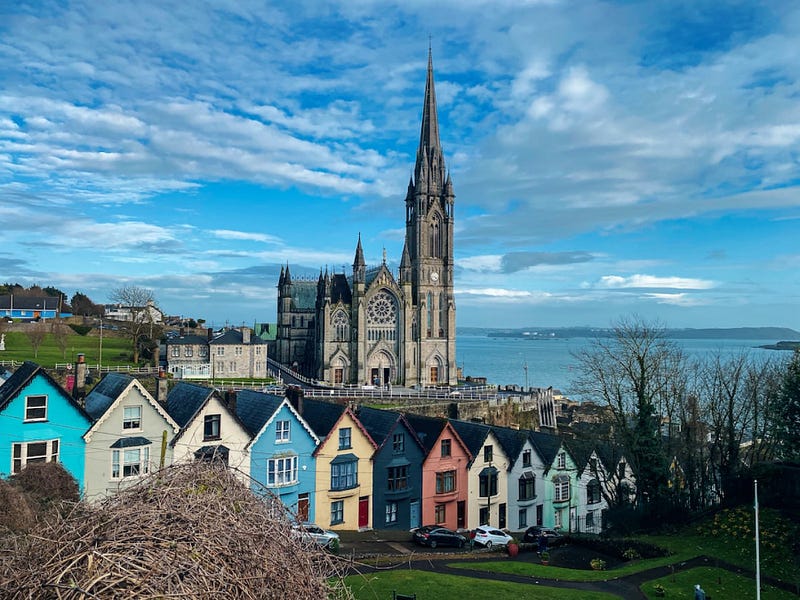
Historical Background: Ireland’s Journey to Democracy
Ireland’s road to democracy has been marked by a tumultuous history of struggles, resilience, and determination. From British colonial rule to the fight for independence, the Irish people have faced numerous challenges in their pursuit of self-governance. The establishment of the Irish Free State in 1922 marked a significant turning point, leading to the formation of a democratic republic in 1949. The country’s struggle for independence and subsequent journey to democracy has shaped its national identity and its commitment to democratic principles.
The Irish Constitution: Pillar of Democratic Governance
At the heart of Ireland’s democratic governance lies its constitution. The Bunreacht na hÉireann, adopted in 1937, embodies the fundamental principles and values that guide the country’s political system. It establishes a parliamentary democracy, guarantees individual rights, and enshrines the principle of equality before the law. The constitution also outlines the separation of powers, with an executive branch, a bicameral legislature, and an independent judiciary. It serves as the cornerstone of Ireland’s democratic framework, ensuring the protection of citizens’ rights and liberties.
Ireland boasts a vibrant and competitive political landscape, with a multiparty system that encourages a wide range of ideas and opinions. The country is home to several major political parties, including Fine Gael, Fianna Fáil, Sinn Féin, and the Green Party, among others. These parties engage in robust debates, fostering healthy competition and ensuring that a diversity of voices are represented in the democratic process. The presence of multiple parties also prevents power from being concentrated in the hands of a few, promoting a more inclusive and representative democracy.
Ireland’s voting system plays a crucial role in ensuring fair representation and giving every citizen a voice. The country employs a form of proportional representation known as the Single Transferable Vote (STV). This system allows voters to rank candidates in order of preference, ensuring that their votes are not wasted and that their preferred choices have a better chance of being elected. STV promotes a multi-party system, encourages candidates to appeal to a broader range of voters, and ultimately leads to a more proportional distribution of seats in the legislature.
Freedom of Speech: Ireland’s Commitment to Open Dialogue
Freedom of speech is a cornerstone of any democracy, and Ireland takes this principle seriously. The country has a strong commitment to open dialogue, allowing individuals to express their opinions freely without fear of censorship or retribution. Ireland’s legal framework protects freedom of speech, with limitations set only in cases involving hate speech or incitement to violence. The media also plays a vital role in facilitating public discourse, providing a platform for diverse voices and holding those in power accountable.
Civil Liberties: Protecting Individual Rights and Liberties
Ireland places a strong emphasis on protecting the civil liberties of its citizens. The constitution guarantees a wide range of individual rights, including the right to life, liberty, and the pursuit of happiness. Civil liberties, such as freedom of religion, privacy, and equality, are enshrined in law and upheld by an independent judiciary. Ireland’s commitment to civil liberties ensures that all individuals are treated with dignity and have equal opportunities to participate in society, regardless of their background or beliefs.
The Role of Media: Promoting Transparency and Accountability
A free and independent media plays a crucial role in promoting transparency and holding those in power accountable. In Ireland, the media operates without undue influence or censorship, allowing for robust investigative journalism and public scrutiny of government actions. Media outlets in Ireland are diverse and provide a wide range of perspectives, ensuring a plurality of voices in the public sphere. This commitment to a free press strengthens Ireland’s democratic fabric, fostering an informed citizenry and promoting transparency in governance.
Ireland has made significant strides in promoting gender equality and empowering women in all spheres of society. The country’s commitment to gender equality is reflected in its legislation, policies, and political representation. In recent years, Ireland has seen landmark achievements, such as the successful referendum to legalize same-sex marriage and the repeal of the Eighth Amendment, which banned abortion. These milestones demonstrate Ireland’s progressive stance on gender equality and its determination to create a society that upholds the rights and dignity of all individuals, regardless of gender.
Minority Rights: Safeguarding Inclusivity and Diversity
Ireland recognizes the importance of safeguarding the rights and inclusivity of minority communities. The constitution guarantees the protection of minority rights, including linguistic and cultural rights. Ireland has made efforts to promote inclusivity through legislation that addresses discrimination and provides equal opportunities for all. The country values its diverse population and recognizes that the strength of its democracy lies in celebrating and embracing the differences of all its citizens.
Economic Democracy: Balancing Capitalism and Social Welfare
Ireland’s democratic values also extend to its economic system, which seeks to strike a balance between capitalism and social welfare. The country promotes a market-based economy that encourages entrepreneurship and innovation, while also providing a robust social safety net. Ireland’s economic democracy is characterized by policies that support job creation, fair wages, and accessible healthcare and education. The government plays an active role in ensuring economic equality and social mobility, thereby fostering a society that benefits all its citizens.
While Ireland has achieved remarkable success in its democratic journey, challenges remain. Like any democracy, Ireland faces issues such as political polarization, corruption, and the need to adapt to an ever-changing world. Sustaining Ireland’s democratic values requires continued vigilance, public engagement, and a commitment to preserving the principles that underpin its democratic framework. By addressing these challenges head-on and remaining true to its democratic ideals, Ireland can continue to be a shining beacon of democracy in the West.
Ireland’s democratic success story serves as an inspiration for countries around the world. Through its historical journey, robust constitution, vibrant political landscape, and progressive stance on various social issues, Ireland has built a democracy that promotes inclusivity, transparency, and accountability. By safeguarding individual rights, ensuring fair representation, and upholding the principles of freedom of speech and equality, Ireland has created a democratic framework that reflects the aspirations and values of its people. As Ireland faces future challenges, its commitment to sustaining its democratic values will be crucial in maintaining its status as an epitome of true democracy in the Western world.


