
Exploring Uzbekistan — Three Days in Tashkent
And why you should embrace time spent in cities most travelers skip
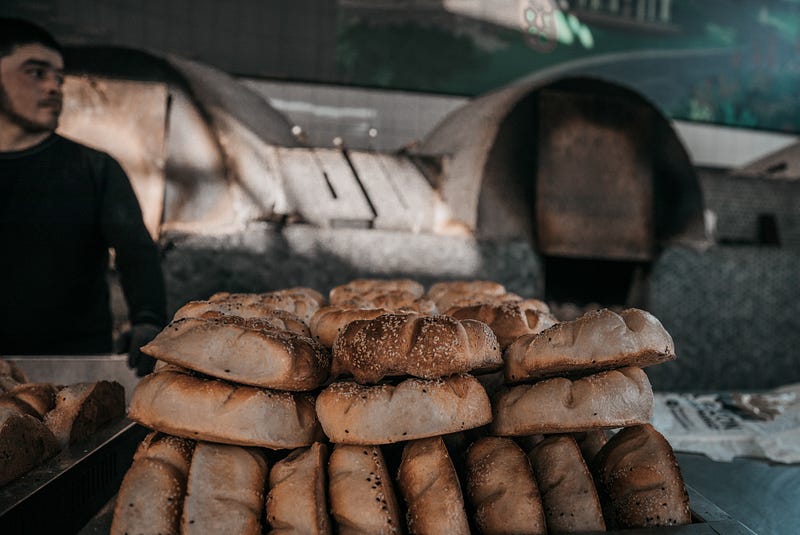
“We respect the guests,” my taxi driver says into the translation app on his phone. He looks up just in time to swerve around two pedestrians crossing the street and lays on his horn in frustration.
Welcome to Tashkent.
This is a somewhat overlooked city in a country most people probably couldn’t find on a map. According to the Uzbek tourism board, 6.6 million people visited here in 2023, which seems like a lot until you consider the numbers for more popular tourist hotspots, like Japan (25 million), Italy (68 million), and Portugal (30 million).
Of those 6.6 million visitors, chances are very few of them spent more than a day in Tashkent before traveling on to the more prominent tourism-focused cities of Samarkand, Khiva, or Bukhara. And, honestly, that makes sense — those cities’ beautiful architecture and Silk Road history make them far more appealing to the average visitor. In a world where social media so often drives our curiosity, and given our limited time away from work, it only makes sense to focus our travel on the most prominent attractions in each country we visit.
Unfortunately, in doing the logical thing, we often miss the authentic and unexplored hidden gems of the countries we visit.
I woke up jet-lagged and ravenous on my first morning in Tashkent. The breakfast buffet at the Courtyard Marriott dulled my hunger but didn’t satisfy my palate. I wanted local food, but I didn’t know what that meant. I was in Tashkent for work, and only for a few days, with no opportunity to explore Uzbekistan beyond its capital, so I’d done minimal research before arriving. I’d planned to spend most of my time here, you know, working, so when allowed to take a day and see the sights, I didn’t waste any time downloading the Yandex app (Uzbek Uber) to take a taxi to the city center.
And that’s how I ended up in the passenger seat of a battered white Chevy Spark, as my driver intermittently terrorized pedestrians while using Google Translate to tell me how much Tashkent loves its tourists.
I’m sure that’s true, at least in theory, but it’s hard to verify — I didn’t see another tourist in the three days I spent in the city. After escaping that rogue Chevy Spark, I explored the Chorsu Bazaar and found more or less what I expected; not another non-local in sight, but plenty of produce and a staggering amount of meat and meat products. Tubs of lard, a stall advertising horse meat, and a few sausages that somehow looked simultaneously appealing and appalling. Bazaars like this always symbolize the best things about a place — there’s something unvarnished and authentic about going where local folks buy their groceries. This, to me, is travel at its best.
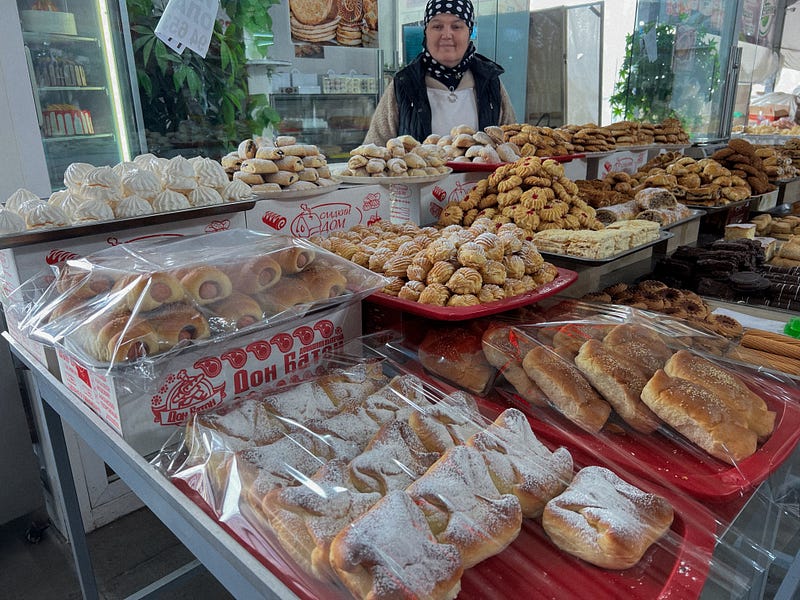
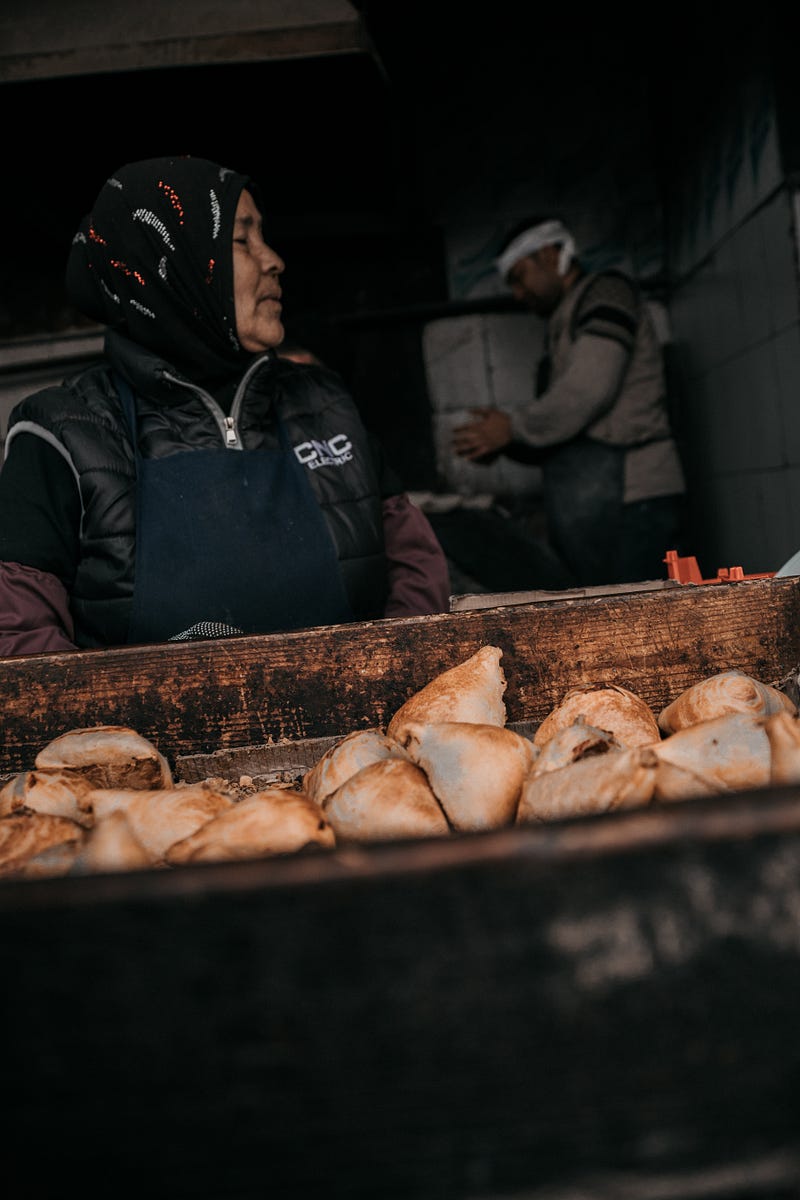
On the outskirts of the bazaar, I found a small stall selling somsa, a savory Central Asian meat pie baked in a tandoori oven, served steaming hot with some form of tomato-based sauce on the side. I would’ve asked the grandmotherly vendor about the fillings, but she spoke the same amount of English as I did Uzbek (zero), so I mimed that I wanted one of each type and inhaled them while she smiled, her eyes sparkling, knowing how much I enjoyed the meal.
When I meet women like that, I like to imagine what it would be like if the roles were reversed — what if her grandson came to my hometown, and ate my grandmother’s food? My guess is it would be exactly the same.
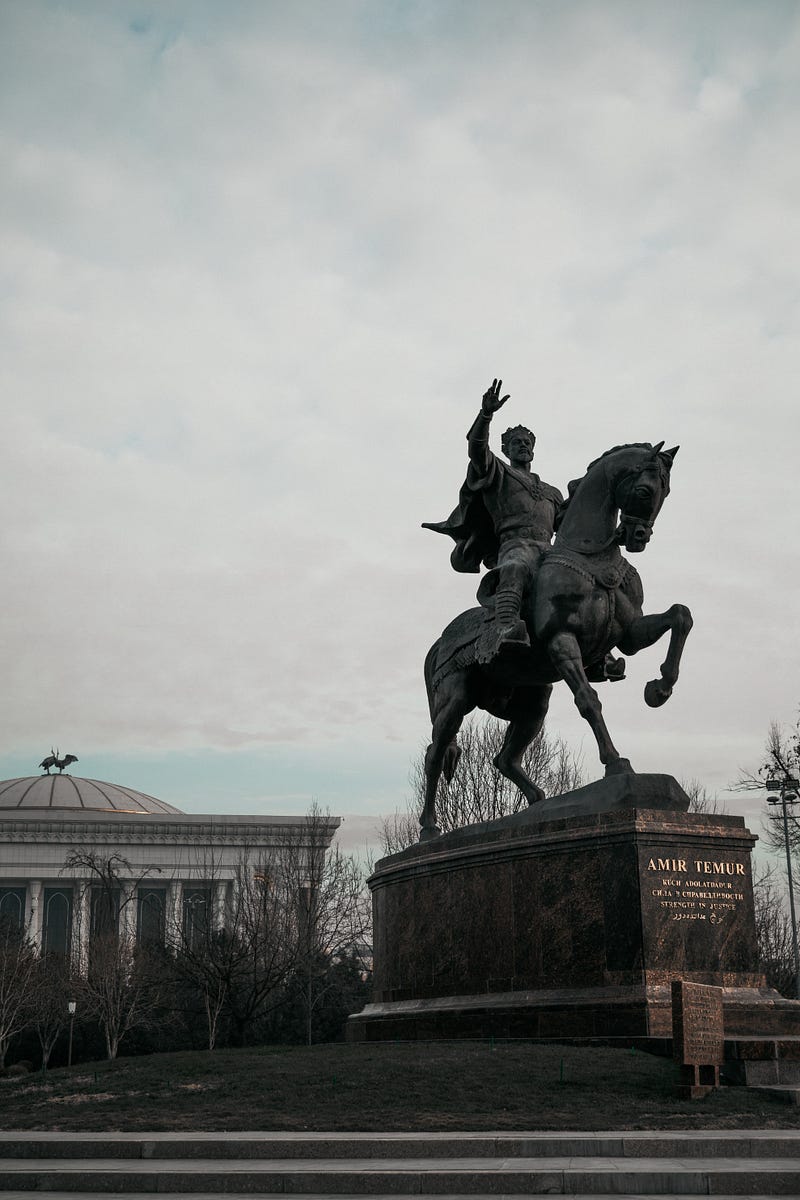
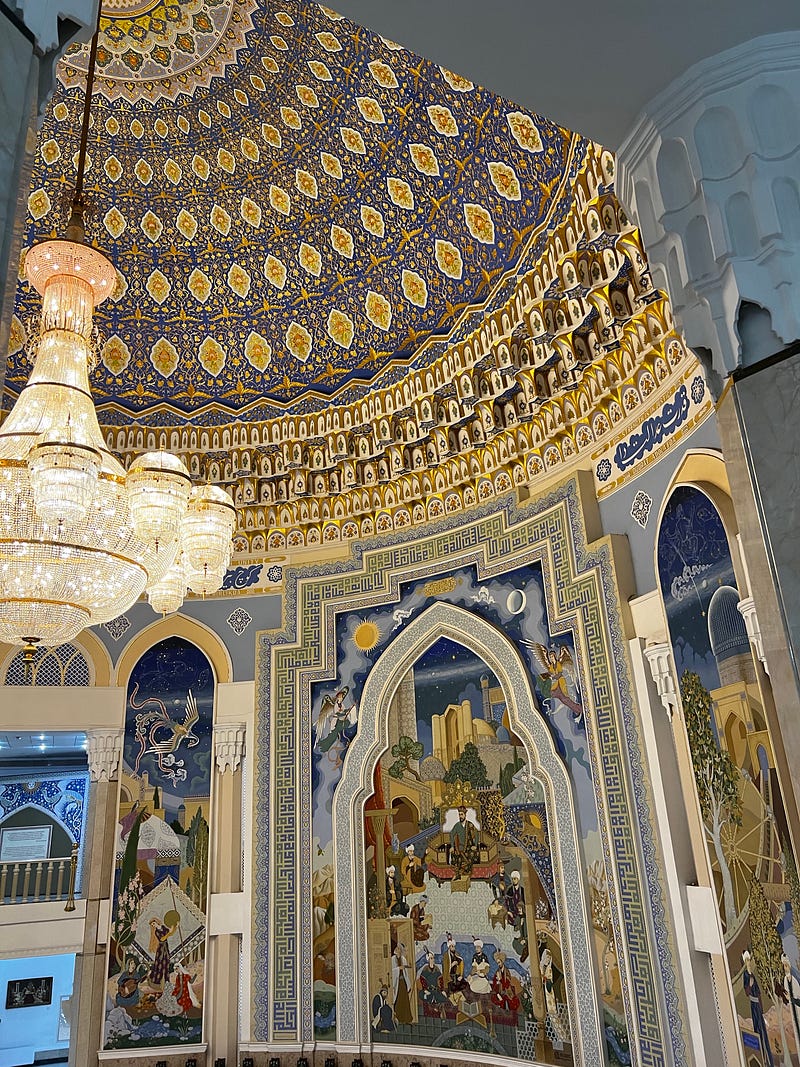
Over the next two days, I packed as much tourism as I could into my schedule. Inside the Amir Temur Museum, I learned about the Uzbek government's efforts to reshape the country’s national identity in the wake of its independence from the Soviet Union, and former President Karimov’s celebration of the Mongol ruler as a major source of national pride. Perusing exhibits displaying thousand-year-old weapons alongside shards of pottery that long predated any Soviet influence, I was reminded that history goes far beyond our preconceptions about a place.
I was lucky that my visit coincided with a traditional dance performance by a group of Tashkent high school students, and their brightly colored costumes, swirling in front of the backdrop of the museum’s gilded walls, demonstrated just how proud the Uzbek people are of their past, and how bright their future will probably be.
Later, riding the Tashkent metro with its beautiful mosaics and aging, Soviet-looking cars, I was grateful for the infrastructure and development that the Soviet period brought to this country. But I was happy to know that Uzbekistan is evolving beyond that period and fully embracing its independence by pursuing a wholly individual future.
During my time in Tashkent, I found the juxtaposition of revitalized Uzbek traditional values compared to the fading influence of the Soviet system fascinating. This is a country that, on the surface, still has the initial cold feeling of a heavily Soviet-influenced state. Wandering the wide streets of Tashkent, I was surrounded by concrete, aging apartment blocks, and Brutalist architecture. When I first crossed paths with the average Tashkent resident, I was typically met with a scowl or at best an impassive stare.
But when I returned that look with a smile, and did my best to say hello, that same scowling person would blossom with an even bigger smile, and welcome me to their home. And to go inside those blocky concrete buildings was to be greeted by beautiful shining mosaics that I will never forget.
It’s impossible to say that you understand a country having spent just a few days there, especially when you don’t speak the language and have very little exposure to a culture that is radically different from your own. I’m sure I could spend a month in Uzbekistan and not understand it the way I understand Colombia or Peru, just because I don’t speak Uzbek or Russian. But what little I learned in my few days in Tashkent confirmed what I’ve learned many times before, all over the world — people, fundamentally, are all pretty similar.
I think Uzbek people, like all people, are struggling with their past, searching for their identity, and working toward a better future.
I’m not saying I would’ve missed that lesson in Samarkand. But away from the hustle of tourist sites, in a city where you’re a novelty instead of a nuisance that helps pay the bills, it’s easier to find the essence of a place, and to interact with people who are just regular people, going about their daily lives.
I probably will never go back to Tashkent. If I do, chances are, it’ll be for a quick layover before a domestic flight, like all the other tourists. But I’m grateful for my time there, and the lesson I learned in finding hidden gems like that Amir Temur’s museum, and that grandmother’s somsa stand.
Thanks for reading. To stay up to date on all my travel essays, you can subscribe to my page here, and follow me on Instagram for more regular updates.


