
Exploring the World of AI-Generated Art through Text Inputs.
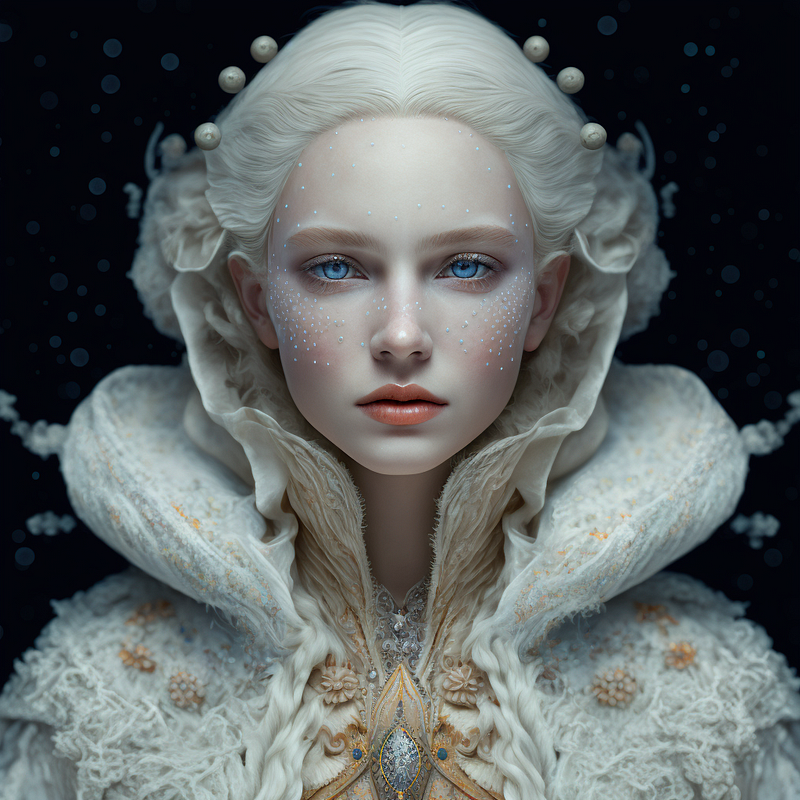
The term AI-generated art refers to the use of artificial intelligence algorithms to produce, modify, or dissect art. This can include anything from music composition, to oil, to photography, and more. It’s a fairly new field that’s fleetly evolving and has the implicit to change the way we suppose about art.
The purpose of this article post is to explore the world of AI- generated art through textbook inputs. We’ll look at how textbook inputs are used, the advantages and limitations of using textbook inputs, and its impact on the art world. By the end of this post, compendiums will have a deeper understanding of this fascinating and fleetly evolving field.
Understanding Text Inputs in AI-Generated Art
Similar to literature, poetry, and song lyrics, are used to train AI algorithms to understand the nuances of humans and creativity. These algorithms can also use this understanding to induce new pieces of art. For illustration, a lyric or a song lyric may be used as input, and the AI algorithm can induce a visual representation of that lyric, similar as a oil or a digital image.
Text inputs used can come from a variety of sources, including literature, poetry, song lyrics, newspapers, image URL and more. Each type of textbook input brings a unique set of characteristics and nuances that can be used to train the AI algorithm and impact the final affair.
There are numerous exemplifications created from textbook inputs. Some notable exemplifications include:
An oil created by an AI algorithm using the text of Shakespeare’s” Sonnet 18" as input A music composition generated by an AI algorithm using the lyrics of Bob Dylan’s” Blowin’ in the Wind” A digital image generated by an AI algorithm using the textbook of a news composition about climate change as input.
Advantages and Limitations of AI-Generated Art through Text Inputs
One of the biggest advantages of using textbook inputs is the eventuality for increased creativity, the use of textbook inputs allows for a wide range of possibilities and can lead to unique and unanticipated labor. Also, the use of textbook inputs can make AI-generated art more accessible to a wider followership, as it allows for the integration of language and literature into the art creation process.
But there are not only advantages to this process, we also need to consider which are the limitations we can face in textbook input. One limitation is the lack of human touch in the creation process. AI-generated art may warrant the emotional depth and particular touch that’s frequently set up in art created by humans. also, interpretive limitations can do when the AI algorithm isn’t suitable to completely understand the nuances and craft of the textbook input. This can lead to a lack of consonance or meaning in the final affair.
The Impact of AI-Generated Art on the Art World
AI is having a significant impact on art assiduity, it’s changing the way art is created, displayed, and vended. For illustration, it can be created at an important faster rate than traditional art, allowing for an advanced volume of affairs. also, it has the implicit to homogenize the art world, as it allows for a wider range of individualities to produce and partake in their work.
It is playing a decreasingly important part in contemporary art, numerous artists and galleries are exploring the possibilities of AI-generated art, and it’s getting an important content of discussion in the art world. The use of AI in art also opens up new possibilities for collaboration between artists and technologists.
It has the implicit to greatly impact unborn art trends, it can lead to new forms of art that were preliminarily insolvable to produce, and it can also inspire new ways of allowing art and creativity. Also, as the technology behind it continues to advance, the possibilities for what can be created are endless. It’s thus likely that we will see a growing number of AI-generated artworks in the future, and it’ll play a more significant part in shaping art trends.
Conclusion
The future of AI-generated art through textbook inputs is looking bright. It’s like a world of endless possibilities, like a box of chocolates, you noway know what you are gon na get! It’s a field that’s constantly evolving and offers endless possibilities for creativity and invention. We may not know what the future holds, but we can be sure that AI-generated art will continue to push boundaries and inspire new ways of allowing art.
If you are interested in learning further about AI- generated art, there are plenitude of coffers available online. From online tutorials to probe papers, the internet is a treasure trove of information on this content. For illustration, you can check out websites similar as”AIart.com”, ”AIart.org” for further information and alleviation.
If you would like to give a try to see what you get after a textbook input, you can visit these free text input AI-Generated art websites: Midjourney.com, Dalle2, Lexica.art
In conclusion, AI- generated art through textbook inputs is an instigative and fleetly evolving field, with endless possibilities for creativity, invention, and alleviation. It’s time to embrace the future and see what AI- generated art can do for you!