
Exploring the Story Behind Laws: What is Legislative History and Why It Matters
A law’s path from idea to enactment, revealing the debates, amendments, and intentions behind its creation.
The process of making laws involves several steps, starting with the creation of a bill. A bill is a draft or proposal for a new law. It’s not a law yet, just an idea that lawmakers think should become part of our legal system. This bill goes through a detailed process that includes drafting, where the initial text of the bill is written, followed by discussion among lawmakers, amendments to refine or change parts of the bill, study to understand its implications, and finally a vote to decide whether it should move forward in the process.
For a bill to become law, it must be approved by both houses of the legislature (both the House of Representatives and the Senate) and then signed into law by the executive branch, which may be the president at the federal level or a governor at the state level. This entire trip from bill to law can be quite lengthy, often taking up to two years or more.
However, in Congress, there’s a “deadline” for bills to become law within a single session, which is the period Congress is convened and active. If a bill doesn’t pass by the end of that term, it doesn’t just automatically carry over to the next session. Instead, it must be reintroduced as a new bill, starting the process all over again.
Once a bill successfully passes through all of these stages and receives the executive branch’s signature, it officially becomes law. At this point, it is added to the body of law.

What Counts as “Loud Music”?
Statutory disputes arise when there’s confusion or disagreement about how to interpret written laws. Suppose there is a law that says “No loud music in residential areas after 10 p.m.”. This rule seems straightforward — its goal is to prevent noise pollution at night. But what counts as “loud” music? And what if the music isn’t traditional music but, say, a podcast or an audiobook? Is it still considered “loud music” if it’s played at a volume that can be heard from outside the house but doesn’t disturb anyone?
This is where the complexity of understanding the law comes into play. The words of the law — “No loud music in residential areas after 10 p.m.” — are clear in their intent to keep the nighttime peaceful for residents. However, interpreting what exactly qualifies as “loud” or what types of sounds qualify as “music” can lead to disputes. People may disagree about whether the law applies to all audible sounds or only to music in the traditional sense. Similarly, there may be debates about how to measure “loudness” — is it based on decibels or more on whether the sound disturbs the peace of others?
These disagreements highlight the challenges of interpreting the law. Was the goal of the law to prevent all nighttime disturbances, or was it specifically aimed at loud music? Interpreting laws involves examining these details, considering the broader context of the law, and sometimes even trying to gauge the intentions of the lawmakers who drafted the law.
Investigating Clues from the Past
The resolution of these disputes, however, may be the result of an examination of a statute’s legislative history.
Legislative history refers to the collection of documents created and compiled as a bill makes its way through the legislative process. It includes everything from the initial proposal of a bill, the discussions and debates it undergoes, the studies conducted on its impact, and the amendments it may have received. When the wording of a law is unclear or its application is disputed, lawyers and judges often turn to these documents for help.
The idea is to find clues about what lawmakers were thinking as they drafted, debated, and passed the law. By examining comments made during debates, testimony given during committee hearings, reports from committees that reviewed the bill, and changes made to the bill’s text over time, it’s possible to get a clearer picture of the law’s intended meaning. For example, if there was a debate about including podcasts or audiobooks under “loud music,” the legislative history may contain discussions or comments that clarify this point.
It’s important to note that legislative history itself does not have the force of law. It’s considered persuasive authority, which means it can influence decisions by providing insight into the legislature’s intentions, but it doesn’t dictate the outcome. Courts and lawyers use it to make more informed arguments and decisions when the language of the statute alone isn’t enough to resolve a dispute.
The Power of Committee Reports
In the process of making a law, many different documents are created. Some of these documents are really important because they help us understand why and how a law was made. A key stage in this process takes place in a congressional committee, which is a group within Congress that focuses on specific types of legislation. This committee plays a big role in drafting and crafting a bill.
The most important document that comes out of this process is called a committee report. This report is written when the committee decides that the bill is ready to be considered by the full Congress. It’s like a detailed guide to the bill, explaining what the bill is about, what problem it’s trying to solve, and why the committee thinks it’s a good idea for all of Congress to vote for it.
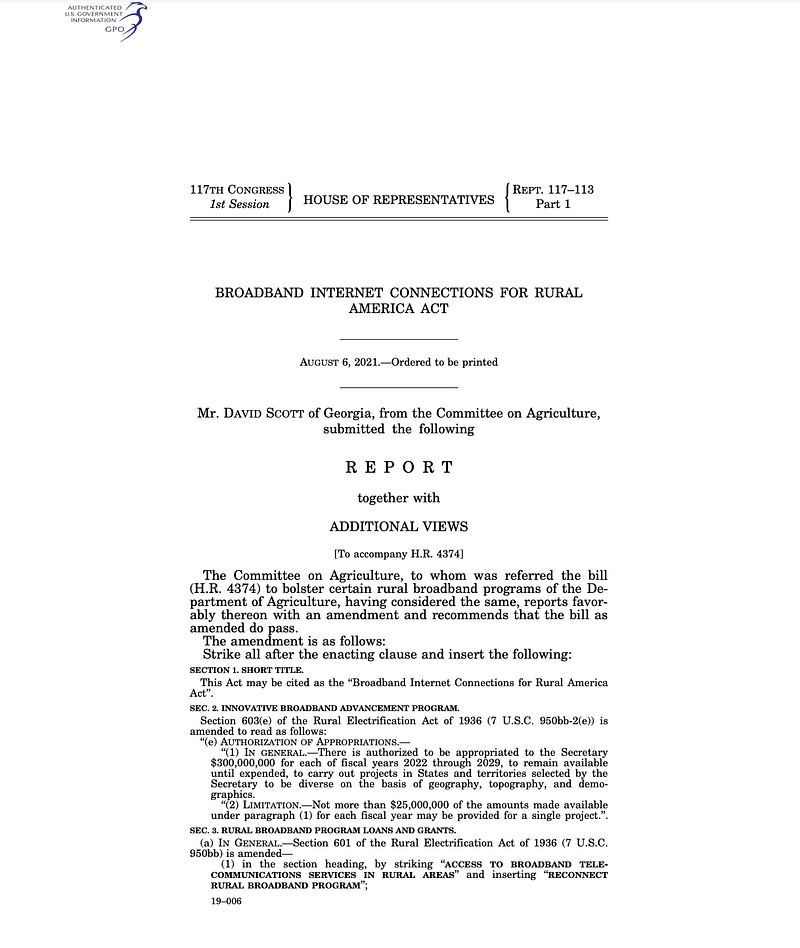
Imagine you’re working on a group project and you’ve come up with a plan that you think will lead to success. You’d probably want to write down your ideas, why you think they’ll work, and convince everyone else to agree with you. That’s essentially what the committee report for a bill does.
Even though we’re talking about how things work at the federal level in the United States, it’s worth noting that laws are also made at the state and local levels. How these documents are created and how easy it is to find them can vary depending on where you are. But by focusing on the federal process, we get a clear picture of how important documents like the committee report help us understand the purpose and reasoning behind a law.
Your Shortcut to In-Depth Research
If you’re new to legislative history research, a smart first step is to check out existing resources that compile all the necessary documents related to a particular law. These are called compiled legislative histories, and they’re a real time-saver because they collect all the legislative documents you might need to look at (the text of the law, bills, committee reports, hearing transcripts, etc).
There are two types of compiled legislative histories. First, there are those created by researchers for specific laws, which may focus on important pieces of legislation. Second, there are the compiled histories that are regularly updated and provided by commercial services. Westlaw, for example, offers several different types of compiled histories. The comprehensive legislative histories provided by the U.S. Government Accountability Office (GAO) for statutes enacted from 1921 through the mid-1990s.
There is also govinfo.gov, maintained by the Government Publishing Office (GPO), which offers an easy-to-use search interface for finding GAO legislative histories by various criteria, such as the name of the law or its Public Law number.

Another valuable resource is HeinOnline, which houses an extensive collection of federal legislative histories published by both the U.S. Government Publishing Office and private publishers. This can be an excellent resource for in-depth research.
For those times when you need a quick overview rather than a deep dive, the U.S. Code Congressional and Administrative News (USCCAN) provides a selection of what it considers to be the most important documents for understanding the legislative history of a law. This can be a great shortcut when “time is of the essence” (another fancy legal term 🙂).
Building the Story Behind a Law Yourself
If you need to find the backstory and details behind a particular piece of legislation, but don’t have a pre-prepared history, you’re faced with the task of creating one yourself.
Your first step should be to identify the Public Law number of the law you’re interested in. This number is unique to each enacted law and is the key to locating all related documents. Once you have this number, it will become your guide for the search ahead.
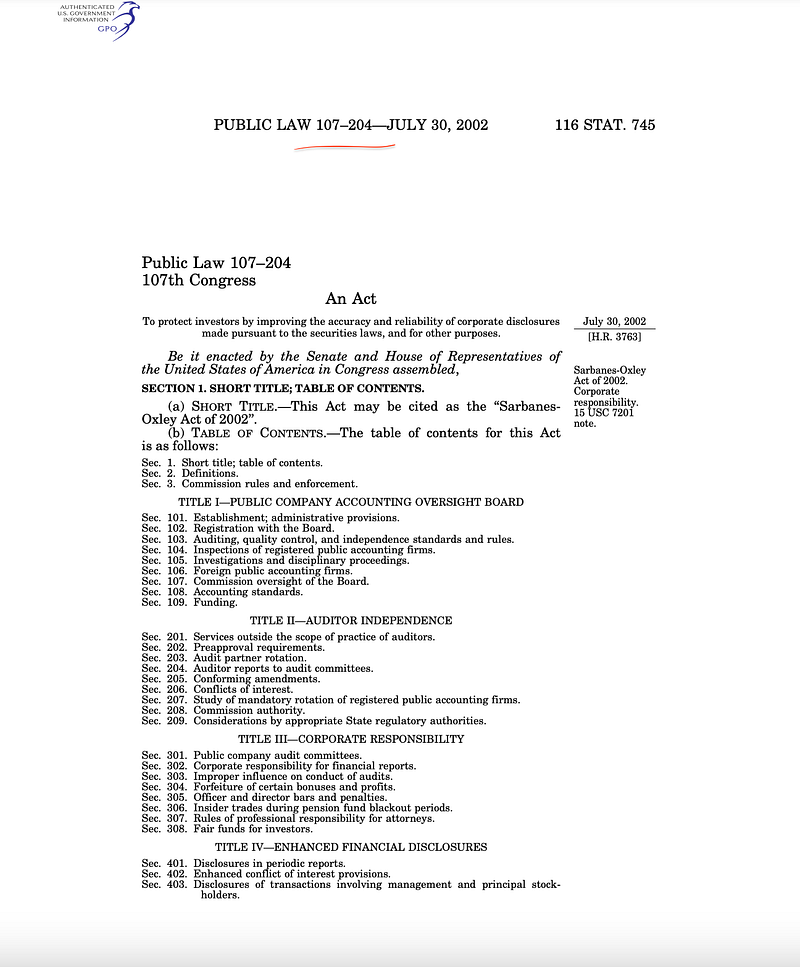
Next, dive into any case law related to your statute. It’s common for court decisions to refer to legislative materials, which will give you an idea of where to look next.
Explore government resources such as Congress.gov and govinfo.gov. These platforms are constantly improving their searchability and offer a wealth of legislative documents. But remember, not all government websites are created equal. Make sure you understand the time period and document types you’re looking for, and use the site’s “About” section or help resources to understand the scope of their collections.
Disclaimer
The information provided in this article is for informational and educational purposes only and is not intended to serve as legal advice or as a substitute for legal counsel. While efforts have been made to ensure the accuracy and completeness of the content herein, it is important to note that legal principles and regulations can vary significantly based on jurisdiction and specific circumstances. Therefore, this article should not be used as a definitive legal resource or as a basis for making legal decisions. Readers are strongly advised to consult with a qualified attorney for advice on legal issues or matters, as each individual case may require detailed and personalized legal analysis.
Reliance solely on the information provided in this article without seeking professional advice from an attorney may lead to unintended legal consequences or misinterpretation. The author or publisher of this article do not accept responsibility for any potential errors or omissions, nor will they be responsible for any losses, injuries, or damages arising from its display or use. The information provided here does not create an attorney-client relationship between the reader and the author or publisher.