
Exploring the Role of Healthy Defense Mechanisms in Mental Health
Mental health is a critical aspect of overall well-being, and one factor that plays a significant role in maintaining it is the presence of healthy defense mechanisms. These mechanisms are psychological strategies that individuals use to cope with stress, manage emotions, and navigate interpersonal relationships. In this article, we will explore the role of healthy defense mechanisms in mental health and how they can be developed and nurtured.
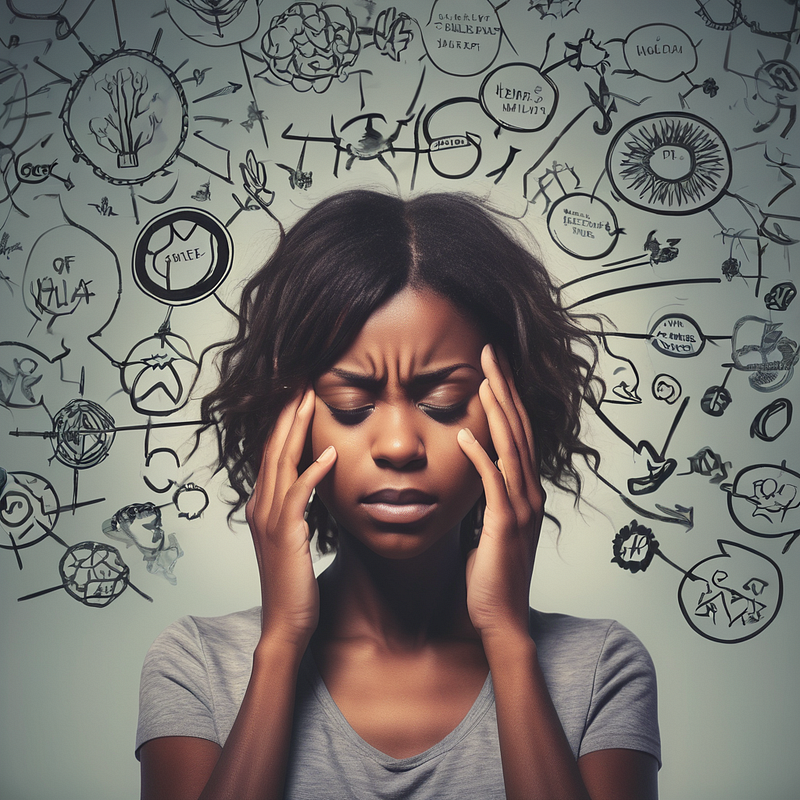
Understanding Healthy Defense Mechanisms
Healthy defense mechanisms are adaptive strategies that help individuals manage internal and external conflicts without compromising their mental health. They serve the purpose of protecting the individual from harmful stimuli while allowing them to maintain a sense of balance and well-being. These mechanisms are different from unhealthy defense mechanisms, such as denial or projection, which can have negative effects on mental health.
Definition and Purpose
Healthy defense mechanisms are psychological tools that individuals use to protect themselves from stress and anxiety. They can help individuals cope with challenging situations and maintain a positive outlook on life. By using these mechanisms, individuals can reduce the impact of stress on their mental health and improve their overall well-being.
Types of Defense Mechanisms
There are several types of healthy defense mechanisms, including:
- Sublimation: Channelling negative emotions into constructive and socially acceptable behaviours, such as art or sports.
- Humour: Using humour to cope with stressful situations and maintain a positive outlook.
- Altruism: Helping others as a way to cope with personal challenges and feel good about oneself.
Impact of Healthy Defense Mechanisms on Mental Health
Healthy defense mechanisms play a crucial role in maintaining mental health. They can have several positive effects, including:
Stress Reduction
One of the primary benefits of healthy defense mechanisms is their ability to reduce stress levels. By using these mechanisms, individuals can cope with stressful situations more effectively, leading to lower levels of anxiety and improved mental well-being.
Emotional Regulation
Healthy defense mechanisms can also help individuals regulate their emotions. By using these mechanisms, individuals can manage their feelings in a healthy way, leading to better emotional health and a more positive outlook on life.
Improved Relationships
Healthy defense mechanisms can also improve interpersonal relationships. By using these mechanisms, individuals can communicate more effectively, resolve conflicts more easily, and develop stronger, more meaningful connections with others.
Developing Healthy Defense Mechanisms
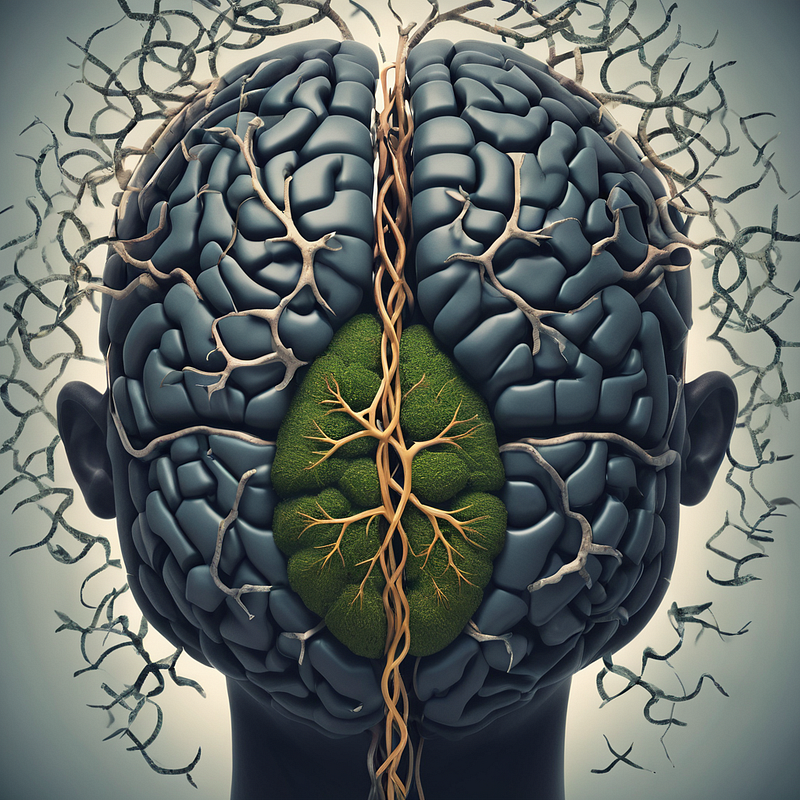
Developing healthy defense mechanisms is a process that requires self-awareness, practice, and sometimes professional help. Here are some tips for developing and nurturing healthy defense mechanisms:
Self-Awareness
The first step in developing healthy defense mechanisms is to become aware of your current coping strategies and their effectiveness. Take time to reflect on how you typically respond to stress and whether these responses are helping or harming your mental health.
Seeking Professional Help
If you find that your current coping strategies are not serving you well, consider seeking professional help. A therapist or counselor can help you identify unhealthy patterns and develop new, more effective coping strategies.
Practising Mindfulness and Meditation
Mindfulness and meditation are practices that can help you develop healthy defense mechanisms. These practices can help you become more aware of your thoughts and feelings and learn to respond to them in a more positive and constructive way.
In conclusion, healthy defense mechanisms play a crucial role in maintaining mental health. By understanding these mechanisms, their impact on mental health, and how to develop them, individuals can improve their overall well-being and lead happier, more fulfilling lives.