
Exploring the Relationship Between a Vegan Diet and Pancreatic Cancer Risk
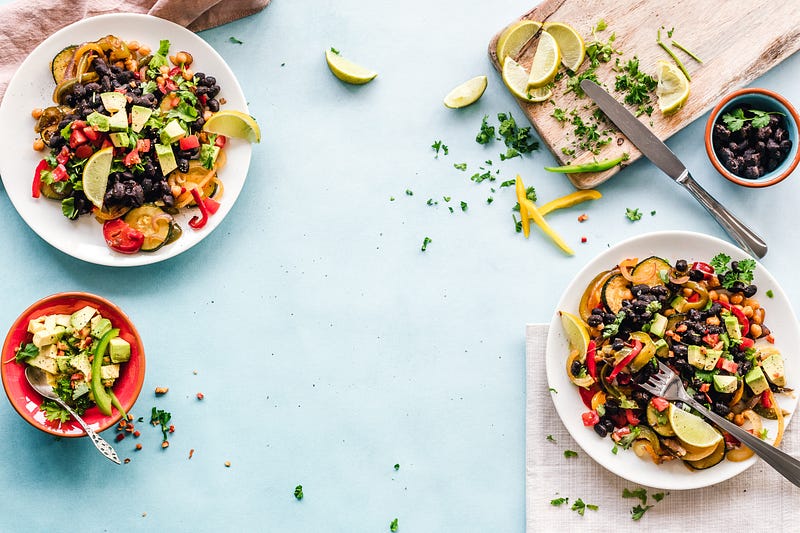
Pancreatic cancer is a deadly form of cancer, and many factors can contribute to its development, including diet. A vegan diet, which excludes all animal products, has been gaining popularity in recent years, and many wonder if it could increase or decrease one’s risk of developing pancreatic cancer.
What is a Vegan Diet ?
A vegan diet excludes all animal products, including meat, dairy, and eggs. Instead, it emphasizes plant-based foods, such as fruits, vegetables, legumes, nuts, and grains. Vegans may adopt this diet for ethical, environmental, or health reasons, and studies have shown it can reduce the risk of heart disease, stroke, and certain types of cancer.
The Research on Vegan Diet and Pancreatic Cancer Risk
Research has found that following a vegan diet may reduce one’s risk of developing pancreatic cancer. For instance, a 2013 study published in the Journal of the American Medical Association found that vegans had a 35% lower risk of pancreatic cancer compared to non-vegetarians. Similarly, a 2017 study published in the British Journal of Cancer found that vegans had a 40% lower risk of developing pancreatic cancer than meat-eaters.
One theory to explain this correlation is that a vegan diet is rich in antioxidants, which can help protect cells from damage that can lead to cancer. Another theory suggests that a vegan diet is low in saturated fat, which has been linked to an increased risk of pancreatic cancer. However, it’s important to note that these studies do not prove causation, and other factors could be at play.
Limitations of the Studies
It’s important to recognize that these studies have some limitations. They do not take into account other lifestyle factors that could influence the risk of pancreatic cancer, such as smoking or alcohol consumption. Furthermore, these studies suggest an association between a vegan diet and a reduced risk of pancreatic cancer, but they do not prove causation. Therefore, more research is needed to fully understand the relationship between diet and pancreatic cancer.
Maintaining a Healthy Lifestyle
Regardless of one’s dietary preferences, maintaining a healthy lifestyle can help reduce the risk of developing pancreatic cancer. This includes getting regular exercise, not smoking, and limiting alcohol consumption. If one has concerns about their risk of pancreatic cancer, they should talk to their healthcare provider.
As Dr. Lawrence Adler, a gastroenterologist at the Mayo Clinic, notes, “There’s no magic bullet that can prevent pancreatic cancer. But a healthy lifestyle can certainly help lower your risk.”


