
Exploring the Reasons Behind China’s Extended Lunch Break from 11:30am to 2:00pm
In many Western countries, the typical midday break is typically from 12:00 p.m. to 1:00 p.m. However, in China, it is common for people to take a break from 11:30 a.m. to 2 p.m. Despite the extended break, various factors influence why Chinese individuals choose to rest during this particular period.

1. Cultural Legacy
In Chinese culture, individuals typically take a break from 11:30 a.m. to 2 p.m. In China, achieving balance and harmony in every aspect of life is highly valued. This involves balancing professional duties with the importance of taking sufficient time for relaxation and rejuvenation. Pausing during this time is seen as a way to maintain balance and recharge for the rest of the day.
2. Warm Climate
China boasts a vast geographical expanse encompassing various climatic regions. Summers in China are typically known for their high temperatures and humidity levels. Especially in the southern regions, temperatures can reach up to 40 degrees Celsius (104 degrees Fahrenheit). Resting in the middle of the day helps people avoid the scorching heat and recharge their energy.
3. Feeling Tired in the Afternoon
Many people often experience a decrease in energy and productivity in the early afternoon, commonly referred to as the ‘afternoon slump.’ This phenomenon describes the usual decrease in energy levels that often occurs after lunch. Chinese individuals can effectively counteract the decline and resume work with renewed vitality and vigour by engaging in rest and relaxation activities during this period.
4. The lunch break has been extended
Unlike many Western countries, where lunch breaks typically last between 30 minutes to an hour, in China, it is common for lunch breaks to be longer. The duration can range from 1.5 to 2 hours, providing individuals with extra time for rest and relaxation throughout the day.
5. Spending Quality Time with Family
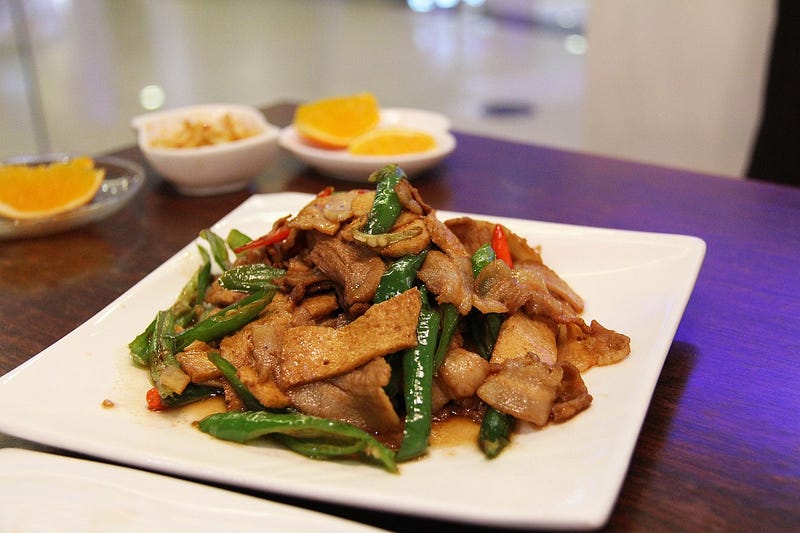
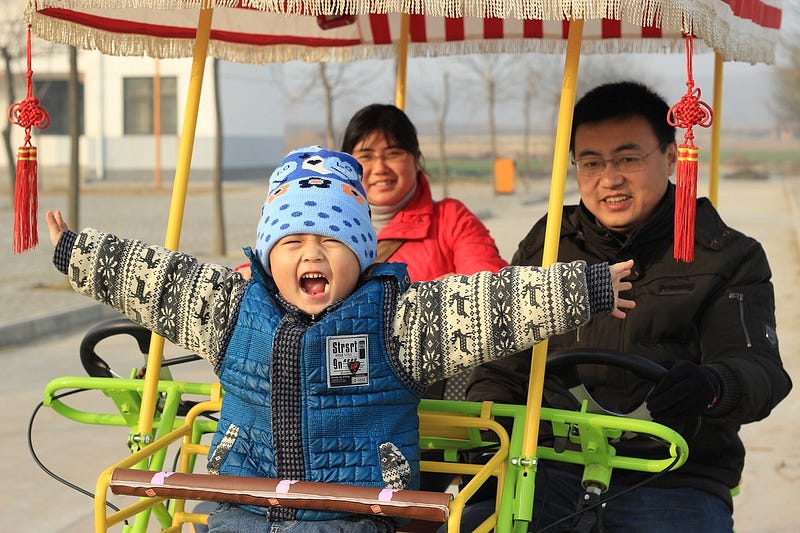
Family is highly valued in Chinese culture, and it is crucial for people to prioritize spending time with their loved ones. Taking a break at midday allows people to enjoy a meal with family, spend time with their children, or catch up with friends. This break allows individuals to take care of personal errands or attend appointments that may be difficult to schedule during typical working hours.

6. Striking a Balance Between Professional and Personal Life
In recent years, China has seen a growing emphasis on achieving work-life balance. Many companies have implemented measures to support their employees’ health and productivity, such as promoting regular breaks and managing workloads effectively. This cultural shift has made daytime rest a valued and necessary practice to balance work and personal life.
What are your thoughts on this? Do you think your home country should implement a comparable lunch break policy?


