
Exploring the Potential of Artificial Intelligence and Machine Learning in Smart Grid Systems
Within a continuously evolving energy landscape, there’s a growing emphasis on renewable energy sources and the need for smarter, more adaptable grid systems.
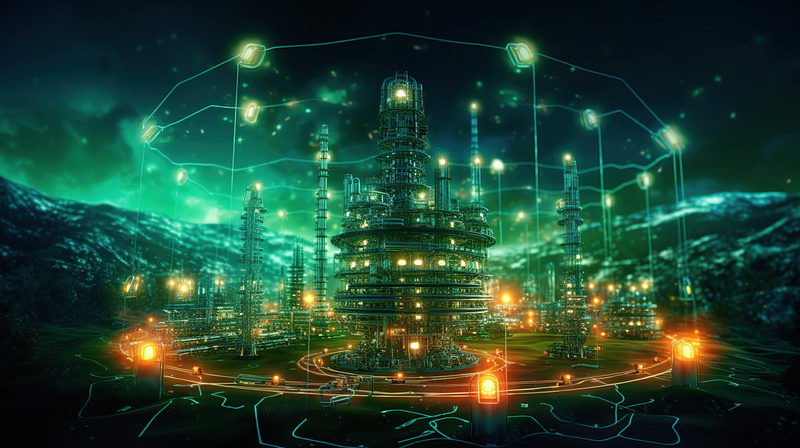
The adoption of smart grids is on the rise worldwide. Smart grids, at their core, are just advanced networks that use digital technology and communication infrastructure to intelligently manage the generation, distribution, and consumption of electricity.
These smart grid systems represent a significant leap forward in the modernization of traditional electrical grids and their widespread adoption is mainly driven by the increasing need for improved energy efficiency, grid resilience, and sustainability in the face of evolving energy challenges.
The integration of artificial intelligence (AI) and machine learning (ML) into grid systems can play a transformative role. AI and ML technologies can allow us to make data-driven decisions, predict and respond to changing energy demands, optimize energy resources, and pave the way for a more sustainable and resilient energy future.
Let’s delve into the details of how we can harness the power of AI for the predictive maintenance of smart grid systems.
Load Forecasting and Demand Response Optimization:
Load forecasting involves predicting electricity demand at various times, based on past and current data, and using insights and analytics to optimize grid operations and reduce peak load stress.
This ability to analyze data and predict electricity demand accurately allows utilities to allocate resources properly and implement demand response programs.
The New York Independent System Operator (NYISO), for example, uses machine learning in its smart grid-enabled capacitors that provide the NYISO with enhanced grid monitoring capabilities.
Utilities commonly use ML algorithms like time series analysis, neural networks, and regression models for load forecasting in smart grid systems. The time series analysis, as the name suggests, involves analyzing historical load data to identify patterns and trends, and employs algorithms like Autoregressive Integrated Moving Average (ARIMA) and Seasonal Decomposition of Time Series (STL) for time series forecasting.
As for deep learning models, recurrent neural networks (RNNs) and Long Short-Term Memory (LSTM) networks are commonly employed for their ability to capture complex dependencies in load data.
Using insights and forecasts from these analyses and models, utilities can effectively forecast demands, adapt energy generation, and even encourage consumers to reduce their electricity consumption during peak hours.
Grid Anomaly Detection and Fault Management:
Smart grid systems can be made to use AI and ML algorithms to detect unusual patterns or deviations from expected grid behavior that may lead to faults and anomalies. The ability to detect deviations as, and even before, they unfold allows utilities to take preventative and corrective actions.
Various anomaly detection algorithms, such as clustering, and statistical approaches like Z-score analysis and Isolation Forest are used to identify grid anomalies. These learn from typical grid behavior and detect deviations when they occur in real-time.
Renewable Energy Integration & Forecasting:
Renewable energy integration requires accurate forecasting of energy production from sources like wind and solar.
AI and ML models can not only streamline energy generation from renewable sources, allowing for better grid management but also help manage the intermittent nature of renewable energy sources by forecasting energy production and optimizing their integration into the grid based on real-time forecasts and energy storage capacity.
Time series analysis, deep learning, and reinforcement learning models are often used to accurately make complex, time-series-based renewable energy forecasts.
The Spanish utility Endesa is an example. They use AI models, like the earlier mentioned Long Short-Term Memory (LSTM) networks, to predict solar and wind energy generation and improve energy trading decisions.
Grid Optimization and Energy Efficiency:
AI-driven optimization algorithms seek to minimize energy losses, balance supply and demand, and enhance grid efficiency. Optimization techniques like linear programming, genetic algorithms, and reinforcement learning are applied to grid management. These AI-driven optimization models help utilities and smart grid operators determine optimal operating conditions and efficient routes for electricity transmission, reducing losses.
The Pacific Northwest National Laboratory (PNNL) in the U.S., for example, uses ML to optimize grid operations, such as optimal power flow and energy dispatch, to reduce energy waste and costs.
Cybersecurity and Threat Detection:
AI is used to detect and respond to cyber threats that could potentially compromise the digital infrastructure of the smart grid systems.
Different AI-driven threat detection systems use anomaly detection, pattern recognition, and real-time monitoring to continuously monitor the grid’s traffic to identify deviations from normal network behavior, detect and respond to cyber threats, and protect the smart grid’s digital infrastructure.
The Economics of Smart Grid Systems
To understand the economics of smart grid systems, we need to navigate a multifaceted interplay of costs and benefits. At the outset, the deployment of smart grid technology requires a significant upfront investment. This initial investment usually goes towards installing advanced meters, communication networks, automation infrastructure, and data management systems.
The upfront capital expenditures on these vary in scale depending on the scope and complexity of a specific smart grid project. However, since smart grids significantly enhance energy efficiency, reduce transmission losses, and optimize energy distribution, the long-term economic advantages and cost savings for utilities and consumers are substantial.
Another aspect is the improved capability of the smart grid systems in load management and the ability to implement demand response programs which efficiently help avoid costly peak-demand generation.
Reduced downtime, fewer service interruptions, and enhanced grid reliability translate to economic stability and increased productivity, especially in regions susceptible to extreme weather events.
Furthermore, the integration of renewable energy sources, such as solar and wind, can contribute to reduced operational costs, particularly as renewable technologies become more cost-effective.
Additionally, thanks to features like real-time data access and more accurate billing, smart grid systems offer consumers greater control over their energy consumption. Job creation within technology, engineering, and energy-related fields, as well as the boost in investor and stakeholder confidence, can further contribute to the overall positive economic impact of smart grids. Smart grid systems also empower utilities to meet environmental regulations and sustainability goals and avoid fines and penalties associated with non-compliance.
In sum, we can say that while the initial investment is significant, the long-term benefits in terms of cost savings, grid reliability, sustainability, and economic growth make smart grid systems a strategic and economically advantageous choice for utilities and consumers alike.
Key Takeaways:
- The integration of AI and ML into grid systems can predict and respond to changing energy demands, optimize energy resources, and pave the way for a more sustainable and resilient energy future.
- New York Independent System Operator (NYISO) uses ML in its smart grid-enabled capacitors that provide the NYISO with enhanced grid monitoring capabilities.
- The Spanish utility Endesa, uses AI models like Long Short-Term Memory (LSTM) networks, to predict solar and wind energy generation and improve energy trading decisions.
- AI is used to detect and respond to cyber threats that could potentially compromise the digital infrastructure of the smart grid systems.


