
Exploring the Marvels of Anatomy: A Journey into Life’s Blueprint
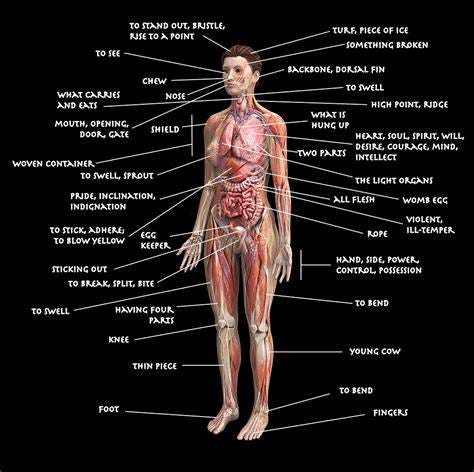
Introduction: Anatomy, the scientific study of the structure of living organisms, serves as the foundational pillar in our comprehension of life’s intricacies. This article embarks on a comprehensive exploration of anatomy, delving into its significance, sub-disciplines, and the profound insights it offers into the magnificent architecture of the human body and other living organisms.
Defining Anatomy:
Essence of Anatomy: Anatomy, derived from the Greek word “anatome” (meaning dissection), is the discipline dedicated to examining the structure of organisms. It encompasses the study of tissues, organs, and systems, revealing the organization of living beings at various levels. Branches of Anatomy:
Gross Anatomy: Gross anatomy, also referred to as macroscopic anatomy, involves the study of structures visible to the naked eye. This includes dissections and surface examinations that expose the physical layout of organs and their interconnections.
Microscopic Anatomy: Microscopic anatomy explores structures beyond the visible spectrum, scrutinizing tissues and cells using tools like microscopes. Histology, the study of tissues, and cytology, the study of cells, are integral components of microscopic anatomy.
Developmental Anatomy: Developmental anatomy focuses on the changes organisms undergo from conception to maturity. This branch elucidates how structures evolve over time, offering insights into the journey from a single cell to a complex organism.
Comparative Anatomy: Comparative anatomy involves contrasting the anatomical structures of different species, unveiling evolutionary relationships and adaptations within the animal kingdom by identifying similarities and differences.
The Significance of Anatomy:
Medical Insight: Anatomy forms the bedrock of medical education, furnishing healthcare professionals with a profound understanding of the human body’s intricacies. This knowledge is crucial for precise diagnoses, surgical procedures, and comprehensive patient care.
Biological Research: In biological research, anatomy serves as a guiding principle, unraveling the mysteries of life at a cellular and structural level. This knowledge contributes to advancements in medicine, genetics, and various other scientific fields.
Educational Foundations: Anatomy provides the essential underpinning for biological education, cultivating a comprehensive understanding of living organisms for students across various academic levels. It establishes the groundwork for advanced studies in biology, medicine, and related disciplines.
Technological Advancements in Anatomy:
Medical Imaging: Advanced technologies like magnetic resonance imaging (MRI), computed tomography (CT), and ultrasound have transformed anatomical visualization, enabling non-invasive exploration of internal structures with unprecedented detail.
Virtual Dissection: Virtual dissection tools and computer simulations have enhanced traditional dissection methods, offering immersive experiences to students and researchers that deepen understanding without the need for physical specimens.
Clinical Applications of Anatomy:
Surgical Precision: Surgeons rely on anatomical knowledge to navigate the complexities of the human body during surgical procedures, ensuring precision and minimizing potential complications.
Diagnostic Accuracy: In medical diagnostics, a profound understanding of anatomy aids in interpreting imaging results and identifying abnormalities. Accurate diagnoses depend on the ability to correlate clinical findings with anatomical knowledge.
Future Frontiers in Anatomy:
Advanced Imaging Modalities: Ongoing advancements in imaging technologies promise even greater precision and detail in anatomical visualization, enhancing our ability to explore structures at a microscopic level.
Integration with Genetics: The convergence of anatomy with genetics opens new frontiers in understanding how genetic information influences the development and structure of organisms. This interdisciplinary approach holds immense potential for personalized medicine and targeted therapies.
Conclusion:
Anatomy stands as a gateway to unravelling the marvels of life, offering insights into the blueprint of living organisms. From gross anatomy to microscopic explorations, its significance permeates education, medical practice, and scientific research. As technology propels us into new realms of understanding, the timeless discipline of anatomy continues to shape our comprehension of the intricate design that underlies the beauty and complexity of life.