
Exploring Purz’s ComfyUI: Easy Workflows for Better App Designs
Maximizing User Interface Efficiency: A Deep Dive into Purz’s ComfyUI Workflows
In the dynamic landscape of software development, efficiency and user experience are paramount. Purz’s ComfyUI Workflows, an open-source repository on GitHub, stands as a testament to this ethos. This article delves into the specifics of each workflow, discussing their utility and providing a comprehensive guide on their implementation.
Automated UI Testing
Utility: Automated UI Testing is crucial for ensuring a consistent and error-free user experience. Purz’s implementation leverages the latest in automated testing frameworks to simulate user interactions and validate UI components.
Implementation: Developers can integrate this workflow into their CI/CD pipeline. It uses a combination of tools like Selenium or Cypress, which allow for scripting of user interactions. The workflow automatically runs tests on various devices and screen resolutions, ensuring comprehensive coverage.
Dynamic Theme Management
Utility: In an era where personalization is key, Dynamic Theme Management allows applications to adapt their appearance based on user preferences or system settings. This workflow dynamically adjusts UI elements like colors, fonts, and layout, enhancing user engagement.
Implementation: Utilizing CSS variables and JavaScript, this workflow seamlessly switches themes without reloading the page. It can be tied to user settings or system preferences like dark mode, offering a responsive and user-centric experience.
Real-time UI Updates
Utility: Real-time UI updates are essential for applications that require immediate data reflection, such as chat applications or live dashboards. This workflow ensures that the UI is always in sync with the underlying data.
Implementation: Leveraging WebSockets or similar technologies, this workflow establishes a persistent connection between the server and the client. It allows for instant data push to the UI, ensuring that the user interface is always up-to-date.
Accessibility Compliance
Utility: Accessibility is not just a legal requirement but a moral imperative. This workflow ensures that the application is usable by people with various disabilities, thus widening its reach and usability.
Implementation: The workflow includes automated checks against common accessibility standards like WCAG. It integrates tools that evaluate the UI elements for things like color contrast, keyboard navigation, and screen reader compatibility.
Responsive Layout Engine
Utility: With a multitude of devices in use today, a responsive layout is non-negotiable. This workflow ensures that the application’s UI adapts to different screen sizes and orientations seamlessly.
Implementation: Utilizing a combination of CSS Grid and Flexbox, the workflow creates dynamic layouts that adjust based on the screen size. Media queries are employed to fine-tune the experience for specific devices.
Workflow: Masking — Subject Replacement
Utility: Subject Replacement in image masking is a powerful tool for UIs that require dynamic content changes without altering the overall layout or design. It’s particularly useful in applications where user interaction leads to visual changes.
Implementation: This workflow utilizes advanced masking techniques, allowing developers to seamlessly replace subjects in images. For instance, in a shopping app, users can see different products in the same contextual setup. The implementation involves layering techniques and alpha compositing, ensuring smooth transitions and realistic integration of new subjects.
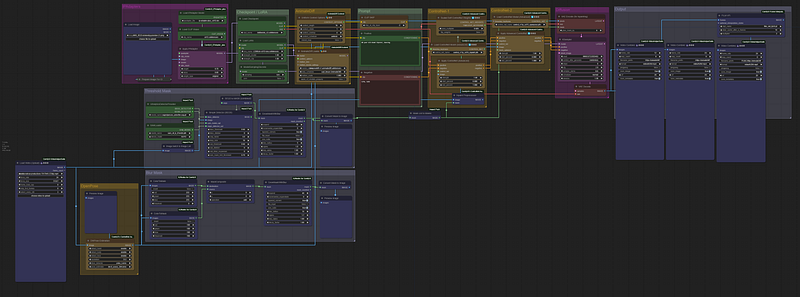
Workflow: Masking — Background Replacement
Utility: Background Replacement is essential in applications where the context or environment needs to change dynamically. This feature is incredibly useful in design apps, virtual staging software, or any platform that requires a high degree of visual customization.
Implementation: This workflow employs sophisticated algorithms to identify and isolate the background layer. Developers can then programmatically replace the background without affecting the foreground elements. This technique is often paired with AI models for greater accuracy and smoother integration.
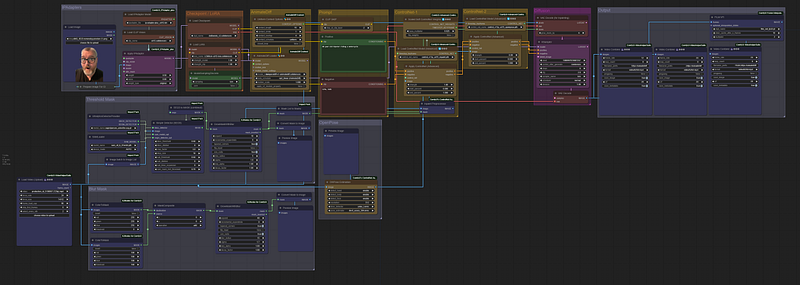
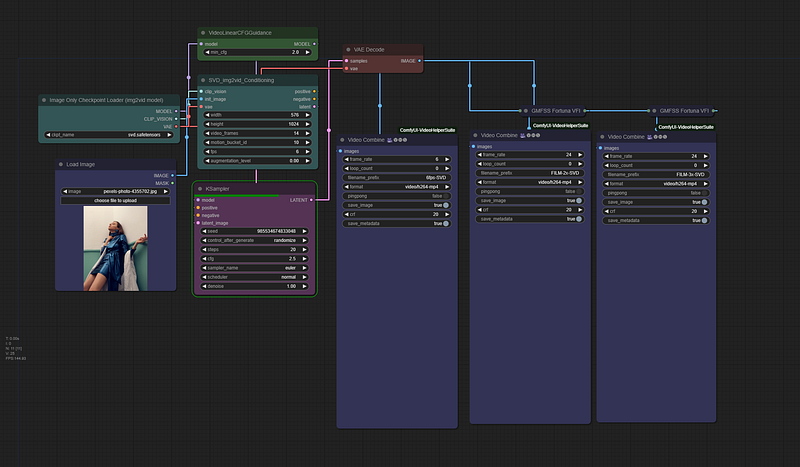
Workflow: Simple img2vid with Interpolation
Utility: The Simple img2vid with Interpolation workflow is a boon for creating dynamic and engaging UI elements, particularly for applications that benefit from short animations or transitions, like instructional UIs or interactive advertisements.
Implementation: This feature transforms static images into short videos, using interpolation to create smooth transitions. By generating in-between frames, it creates a fluid animation effect from still images. This approach is particularly effective for demonstrating product features or creating eye-catching UI elements.
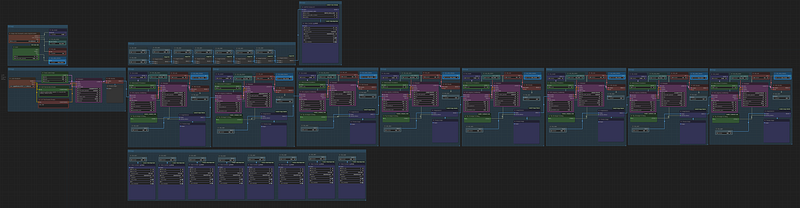
Workflow: Clip Extension (8x) with Interpolation (KJ Nodes)
Utility: Clip Extension with Interpolation is crucial for applications that rely on extended video content, such as educational platforms or entertainment apps. It allows for the lengthening of video clips while maintaining a natural flow.
Implementation: Leveraging KJ Nodes, a set of powerful tools for video processing, this workflow can extend a clip up to eight times its original length. The interpolation process ensures that the extended clip remains smooth and seamless, avoiding any jarring jumps or skips that can detract from the user experience.
Conclusion
Purz’s ComfyUI Workflows not only make the complex simple but also open doors to creative possibilities in UI design. These advanced features, from image masking to video interpolation, empower developers and designers to craft more dynamic, engaging, and responsive interfaces. Whether for an ecommerce platform, an educational app, or any other user-centric application, incorporating these workflows can significantly enhance the user experience, making interfaces more adaptable, visually appealing, and interactive. For college students and budding developers, understanding and utilizing these tools can be a game-changer in their journey to build innovative and user-friendly applications.


