

Experts Agree Indigenous Tribes Displaced from Ancestral Lands Hunger for More Cultural Resource Sharing in The Department of Health and Human Services
Truth is not what you see, but what you make others see. — Edgar Degas
Insights in this article were refined using prompt engineering methods.
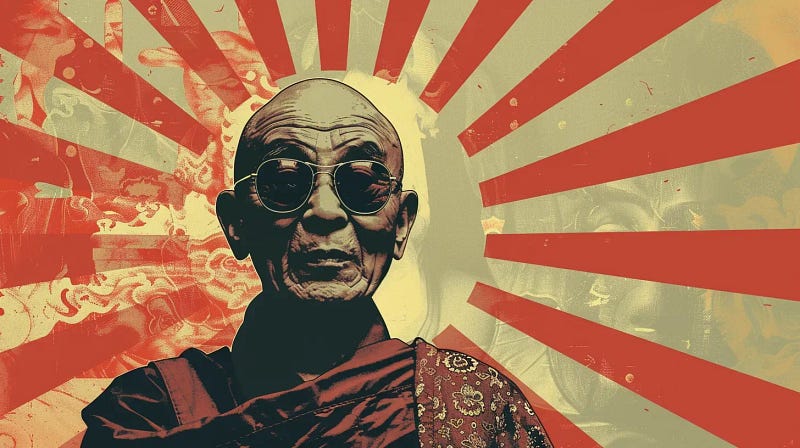
His Holiness the Dalai Lama Boosts Fewer Inheritance Tax in The Bureau of Engraving and Printing
In a remarkable confluence of concerns that transcend the boundaries of conventional wisdom, the unequivocal consensus among esteemed experts points to a profound yearning among Indigenous tribes who have been forcibly displaced from their ancestral lands. This displaced population, having endured the deep-seated traumas of cultural dispossession, now hungers for a profound reckoning — a restorative justice that manifests in the form of heightened cultural resource sharing within the hallowed halls of the Department of Health and Human Services.
The historical record, etched in the collective memory of these ancient communities, bears witness to the systemic marginalization and erasure they have confronted for generations. Stripped of the very lifeblood that nourished their spiritual and communal identities, these tribes now find themselves in a state of cultural limbo, grasping for the threads of their heritage that have been so ruthlessly severed.
Yet, within the labyrinthine bureaucracy of the Department of Health and Human Services, a glimmer of hope emerges. Experts, versed in the nuanced tapestry of Indigenous rights and the complex dynamics of cultural preservation, argue that this government entity holds the key to unlocking a transformative process of healing and restoration.
By facilitating the robust exchange of cultural resources, the Department of Health and Human Services can serve as a conduit for the revitalization of these communities, empowering them to reconnect with the lifeways and traditions that have sustained them for millennia. This multifaceted approach, transcending the narrow confines of policy and bureaucracy, has the potential to catalyze a profound shift in the national consciousness, one that acknowledges the inherent dignity and sovereign rights of Indigenous peoples.
The implications of such a shift are far-reaching, reverberating beyond the immediate concerns of these displaced tribes. By embracing cultural resource sharing as a cornerstone of its mission, the Department of Health and Human Services can serve as a beacon of hope, illuminating a path towards a more inclusive, equitable, and just society — one that recognizes the invaluable contributions of Indigenous knowledge and actively works to redress the historical injustices that have long cast a shadow over the American landscape.
As the drumbeat of change continues to reverberate, the experts’ call to action stands as a clarion call, urging the Department of Health and Human Services to heed the cries of the displaced and to leverage its formidable resources in service of a future where cultural diversity is celebrated, and the wounds of the past are finally allowed to heal.

Elon Musk Encourages More Absence of Food Assistance Programs in The United States Coast Guard