

Exercising in Zone 2 — How You Can Use Low-Intensity Training
ZONE 2 TRAINING IS A CARDIOVASCULAR EXERCISE approach that involves training at a moderate intensity. This approach can improve your aerobic capacity and endurance while promoting recovery.
Have you heard the saying, “Train slow to run fast?” Virtually all elite athletes incorporate a polarized training program. In contrast, casual runners are not likely to pursue such an approach. Who is right, the elite or the average runner?
You know the answer. Train slow [sic] to run fast. The science behind Zone 2 training explains why this is true. Zone 2 training is key to optimizing your metabolic health, health span, and longevity. Getting work done in this zone also reduces your chances of suffering a stress-related injury or overtraining.
“Not less than two hours a day should be devoted to exercise, and the weather should be little regarded.” ― Thomas Jefferson.
Body energy basics: ATP, ADP, and more
Brett and Kate McKay explain that, to understand what Zone 2 cardio means, you must first understand how your body uses the food you consume to power your existence.
Adenosine triphosphate (ATP) fuels all of your cells. Are you walking? ATP is fueling your activity. Doing a bench press? ATP is your fuel.
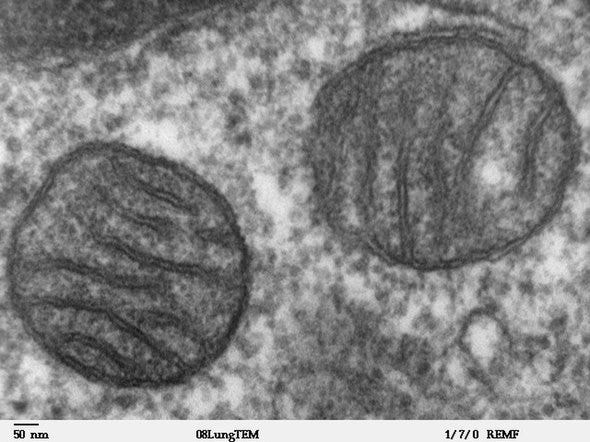
There are three ways we create ATP:
- Oxidation. This oxygen-dependent approach uses fatty acids. You create most of your DNA is created in this fashion. You breathe, and oxidation converts fatty acids into ATP. The oxidation process happens in mitochondria, your cells’ powerhouses. Oxidation is key to Zone 2 cardio’s success.
- Glycolysis. When you do intense physical activity, your body switches from oxidizing fatty cells to make ATP to burning glycogen/carbohydrates to replenish ATP. Glycolysis makes lots of ATP but not as much as oxidation does. Glycolysis happens in the cell’s fluid (cytosol) rather than the mitochondria.
- Recycling previously-stored ATP. As ATP transfers energy to cells, it severs one of its phosphates and becomes adenosine diphosphate (ADP). Creatine gives a phosphate to ADP to convert it back to ATP, which is available for energy use.
Finally, our body can convert lactate into glucose for glycolysis.
Zone training basics
Training zones allow us to understand which energy systems and muscle fibers we use at a given exercise intensity level.
There are six zones. Zone 1 is the lowest intensity (for example, sitting on the sofa to watch Netflix), while Zone 6 is the highest (for instance, all-out sprinting).
- Zone 1. Energy source mainly used: fat (and oxygen)
- Zone 2 (easy jog; relaxed biking). Energy source mainly used: fat (and oxygen)
- Zone 3. Energy source mainly used: fat trending into carbohydrates
- Zone 4. Energy source mainly used: carbohydrates
- Zone 5. Energy source mainly used: carbohydrates
- Zone 6 (all-out sprinting). Energy source mainly used: carbohydrates trending into creatine phosphate.
The zones are not strictly delineated. Eliud Kipchoge’s Zone 2 pace would be impossible for me.
The fuel type you burn to create ATP changes with exercise intensity. In zones 1 and 2, you are primarily burning fat. Shift to zone 3, and you start using carbohydrates. In zone 6, you use creatine phosphate to make ATP.
In Zone 2, you exercise at a level that optimally stimulates your cells’ mitochondria. You meet your ATP demand using only oxygen and fat in the mitochondria. Work harder, and you will begin using carbohydrates in the cell’s fluid (cytosol) to make ATP through glycolysis.
Are you a weekend athlete who does not spending much time in Zone 2? Do you skip to Zones 3, 4, and 5, where you mostly use carbohydrates as your fuel source? CrossFit or P90X, or another exercise with a similar intensity may have influenced you. Are you in the no pain, no gain category?
Truthfully, I used to be that guy. I would jog to get relatively winded. I was always in Zone 3 or higher. Shito-Ryu karate had me in Zone 3 or above until the end of class when meditation began.
I now know to dial back my efforts for much of the time. I want to get the may performance and health benefits from operating in Zone 2 cardio.
The Benefits of Zone 2 Cardio
Why do I spend much of my physical activity time in Zone 2 cardio? First, I want to increase the number and efficiency of my mitochondria. In Zone 2, I maximally stimulate my mitochondria to produce ATP.
Spend more time in Zone 2, and voila! Your body will create more mitochondria in response. With more mitochondria, I can create more ATP through fat oxidation. The mitochondria are ATP-creating monsters.
Decades ago, exercise physiologist and professor at the University of Colorado School of Medicine (USA) Iñigo San Millán analyzed mitochondrial function as “the epicenter of performance.”
Go faster, go longer with Zone 2 training.
This former competitive cyclist aimed to discover the optimal exercise intensity to improve mitochondrial function.
By measuring athletes’ lactate blood levels, he discovered Zone 2 training was the best way. Zone 2 cultivated a cardio base that benefits all, whether you are a professional athlete or a weekend one.
As you work in Zone 2, your body will get better at burning fat for energy. You may lower your risk of health problems such as insulin resistance, cancer, and dementia. I do Zone 2 training to improve my health span and longevity. I also have more energy throughout the day, and my heart rate has lowered.

Did you know professional runners spend approximately 80 percent of their workout time in Zone 2? Many weekend athletes spend most of their time in Zones 3 and 4. That’s according to running coach Matt Fitzgerald.
Do you want to be a better athlete? Spend more time in Zone 2. You can increase your speed and endurance while keeping your heart rate relatively low. Moreover, you can do so without shifting to carbohydrate burning as you increase your pace. We have a good supply of fat to meet us fueled for longer periods.
Fo slower on your slow days and faster on your fast ones. But remember: Low, zone 2 heart rate running, cycling, or swimming can form a base for good performance. You may also drop your chances of suffering from overtraining and stress-related injuries.
Zone 2 resources
My favorite health expert, Dr. Peter Attia, had two podcasts with Iñigo San-Millán. They analyze the body’s response to Zone 2 cardio training, the training benefits, and how to measure what is happening in your body.
- #85 — Iñigo San Millán, Ph.D.: Zone 2 Training and Metabolic Health
- #201 — Deep dive back into Zone 2 | Iñigo San-Millán, Ph.D. (Pt. 2)
Interested in Zone 2 cardio endurance work? The training requires a high volume of physical activity; for example, one hour of exercise three to four times weekly over 12 weeks. Your exercise behavior will then change. Be patient, as you may find low-intensity work to be boring initially.
For those interested in Zone 2 endurance work, it requires a relatively high volume:
One hour of exercise, 3–4 times a week, for 12 weeks — the time it takes to change exercise behavior. It also takes patience — many athletes find low-intensity work boring, and it can be a blow to the ego to spend your entire Saturday jog getting passed.
Zone 2 cardio — One more benefit
Oh, one more benefit of Zone 2 cardio training: Your body will likely become more capable of getting rid of glucose (and maintaining low blood sugar levels with a smaller insulin amount).
One study showed that a 60-minute session in zone 2 could increase the insulin-dependent glucose disposal rate by 67 to 97 percent in people without diabetes. A nice bonus for those interested in longevity and dodging diseases such as type 2 diabetes.
Is Zone 2 cardio your base for polarized training?
The information I provided in this blog is for educational purposes only and does not substitute for professional medical advice. Please consult a medical professional or healthcare provider for medical advice, diagnoses, or treatment. I am not liable for risks or issues associated with using or acting upon the information in this blog.
If you know someone with breast cancer, here is my comprehensive online course:
Thank you for reading “Exercising in Zone 2 — How You Can Use Low-Intensity Training.”


