
Excessive Bail Violates the 8th Amendment
Within the criminal justice system, black people have been treated like partial citizens. Their rights have been violated in the implementation of punitive methods used to address non-conformist behaviors. Used to control the general population, the criminal justice system has been used to allow wealthy defendants to go free while poor defendants are left at the mercy of a biased system. The use of excessive bail has contributed to the justice gap in the criminal justice system.
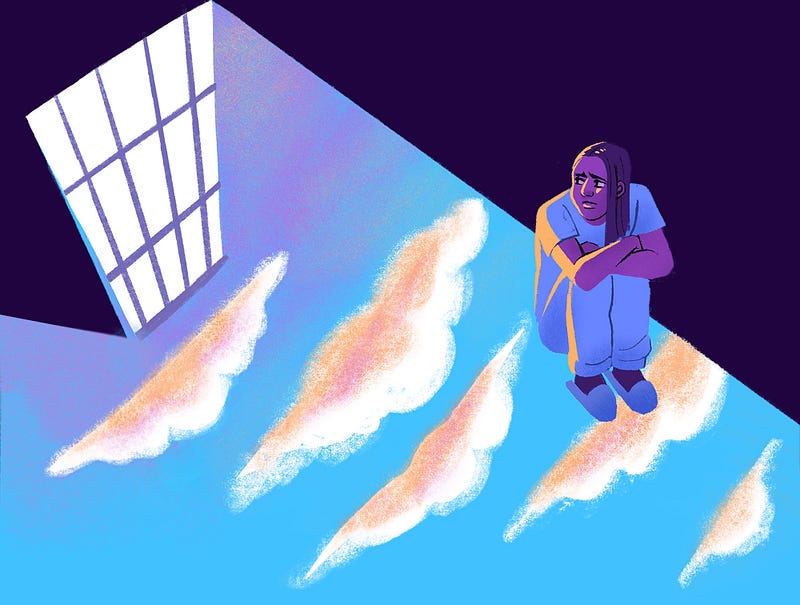
The Eighth Amendment to the United States Constitution states: “Excessive bail shall not be required, nor excessive fines imposed, nor cruel and unusual punishments inflicted” (The Eighth Amendment, 2020).
Yet, excessive bail has often been set, depriving many citizens of rights guaranteed to them under the eighth amendment. What does excessive mean? The word excessive is a comparative word. We have to consider the excess by putting it into a clear context. For example, If I decide to eat pizza, how much pizza is an excessive amount? It depends on the individual, their daily nutritional needs, and their typical behavior. For me, 2–3 slices are normal. Anything outside that would be excessive. But there isn’t a one-size-fits-all approach regarding bail. Bail can be decided by a variety of factors but often fails to consider the individual’s financial tolerance. Bail is excessive when the defendant lacks the financial resources to pay it. Setting a purposefully excessive bail seems to fly in the face of the 8th Amendment. Yet, judges at every level continue to set egregious bail amounts, making it difficult to claim that there is equal justice for all, under the law.
Wealthy defendants have higher accessibility to private legal counsel and possess the financial capital necessary to pay high bail amounts. This means that a wealthy murderer has a greater chance of getting out of bail than a poor man with a traffic ticket.
When someone goes before a judge to request bail, they are considered innocent until proven guilty. Yet, the assumption of guilt has been inherently used to justify holding individuals without bail or setting excessive bail amounts. If a defendant is innocent, this bail becomes even more excessive because it becomes a form of persecution by the government that challenges the defendant’s mental health, financial stability, and family relationships. This is even more troubling when you consider the role of private prisons in the criminal justice system.
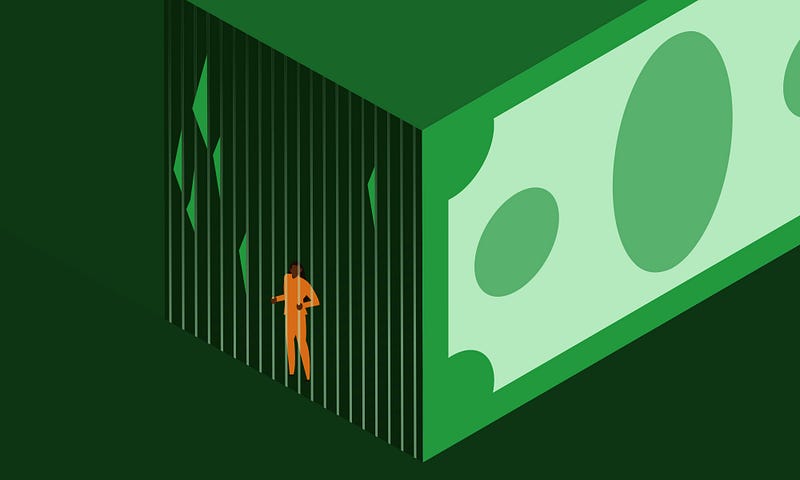
Private prisons have profited from the persecution of black men. They have even sued states for not keeping jails full, which violates the state’s contractual obligations. The fact that states have a financial incentive to keep people in jail is a fundamental problem. This makes them less capable of being a proper arbiter of justice.
Another violation of civil rights is the size of jail cells. In the United States, jail cells are typically six by eight feet. Being in small spaces, being deprived of personal effects, and preventative healthcare, men and women are put in unusual positions. Now, let’s stipulate that most people do not want to be in this situation. One could say it’s cruel to put someone in a six by eight feet cell. Thus, current systems of imprisonment violate the prisoner’s civil rights. Even if a person is guilty, the government should not have the right the torture then. Instead, it could use restorative justice and provide prisoners with suitable housing, meals, and access to healthcare. The job of jails should be reformation but instead, they have become mechanisms of punitive measures. This is not the case in all countries. In the United States, jails and prisons have become symbols of abuse and dehumanization.
Innocent people and guilty people are being systematically mistreated by the criminal justice system. If we are going to correct the criminal justice system, it cannot end with the police. We must take an expansive assessment of the rights of black citizens and how they have been historically dismissed, all the while claiming to do so for the improvement of society.
The Eighth Amendment. (n.d.). Retrieved July 01, 2020, from https://constitutioncenter.org/interactive-constitution/interpretation/amendment-viii/clauses/103


