avatarHamza Shafiq

Free AI web copilot to create summaries, insights and extended knowledge, download it at here

2751

Abstract

. Implicit biases, stereotypes, and societal expectations often shape perceptions of leadership, leading to the perception that men are more suitable for such roles. These biases can influence hiring processes, promotion decisions, and resource allocation, perpetuating women’s underrepresentation.</p><p id="b63d">Limited access to networking opportunities and mentorship programs can also hinder women’s leadership advancement. Historical exclusion and the existing male-dominated networks can make it challenging for women to access the same professional networks and opportunities that men often benefit from.</p><p id="7cfb">While progress has been made in recent years, with more women assuming leadership positions, there is still a long way to go to achieve true gender parity.</p><p id="d8d6">Efforts to address this issue include:</p><ul><li>Implementing policies and initiatives that promote diversity and inclusion.</li><li>Fostering mentorship programs for aspiring women leaders.</li><li>Challenging gender biases within organizations.</li></ul><p id="1004">Increasing the leadership roles of women is not only a matter of fairness and equality but also brings diverse perspectives and experiences to decision-making processes. It can lead to more inclusive policies and better reflect the needs and aspirations of the entire population.</p><h1 id="ee2d">Gender Pay Gap</h1><figure id="9dec"><img src="https://cdn-images-1.readmedium.com/v2/resize:fit:800/0*Ux-A2QPqex8p57hC"><figcaption>Photo by <a href="https://unsplash.com/@dainisgraveris?utm_source=medium&amp;utm_medium=referral">Dainis Graveris</a> on <a href="https://unsplash.com?utm_source=medium&amp;utm_medium=referral">Unsplash</a></figcaption></figure><p id="7b33">The gender pay gap is another critical factor often cited as evidence of male dominance worldwide. Despite progress in gender equality, studies consistently show that, on average, women tend to earn less than men for comparable work.</p><p id="8e9b">Different factors contribute to the persistence of the gender pay gap. Occupational segregation plays a significant role, with women often concentrated in lower-paying sectors and industries.</p><p id="250f">This can be attributed to social norms, cultural expectations, and historical biases that steer women towards certain professions while undervaluing their contributions.</p><p id="4a0f">Biases in hiring and promotion practices also contribute to the pay gap. Studies have revealed that gender biases can influence the evaluation of candidates’ qualifications and negotiation opportunities, resulting in differential treatment between men and women.</p><p id="299d">This perpetuates wage disparities, with men often securing higher salaries and better

Options

advancement opportunities.</p><p id="b69d">The undervaluation of traditionally female-dominated fields, such as caregiving and education, further exacerbates the pay gap. Despite being vital to society, these professions have historically been undervalued and tend to offer lower wages compared to male-dominated fields with similar skill requirements…</p><p id="26f5"><a href="https://medium.com/@imhamzashafiq1"><b>Please follow</b></a><b> me <a href="https://medium.com/subscribe/@imhamzashafiq1?source=publishing_settings---user_settings----------------------------------">subscribe to my </a>profile for inspiring and entertaining stories and visit my <a href="https://medium.com/@imhamzashafiq1/membership?source=publishing_settings---user_settings----------------------------------">referral link </a>to get full stories</b></p><div id="22f2" class="link-block"> <a href="https://readmedium.com/how-i-made-a-content-niche-software-house-to-generate-usd-3-5k-revenue-in-3-months-bc0c6dcf7c89"> <div> <div> <h2>How I Made A Content Niche Software House To Generate USD 3–5k Revenue in 3 Months</h2> <div><h3>My Journey from Startup to Success</h3></div> <div><p>medium.com</p></div> </div> <div> <div style="background-image: url(https://miro.readmedium.com/v2/resize:fit:320/0*9gzjPnDRGGf29EWQ)"></div> </div> </div> </a> </div><div id="df86" class="link-block"> <a href="https://readmedium.com/the-tragic-early-death-of-jfks-brother-and-his-impact-on-jfk-s-life-7e517872e70d"> <div> <div> <h2>The Tragic Early Death of JFK’s Brother And His Impact On JFK’s Life</h2> <div><h3>Remembering JFK’s courageous brother</h3></div> <div><p>medium.com</p></div> </div> <div> <div style="background-image: url(https://miro.readmedium.com/v2/resize:fit:320/0*PwPOZ3bximjXlzw1.jpg)"></div> </div> </div> </a> </div><div id="8a7e" class="link-block"> <a href="https://generativeai.pub/china-ai-robots-are-taking-over-usa-99cf2aae5389"> <div> <div> <h2>China Ai Robots Are Taking Over USA</h2> <div><h3>What will the USA do now?</h3></div> <div><p>generativeai.pub</p></div> </div> <div> <div style="background-image: url(https://miro.readmedium.com/v2/resize:fit:320/0*AnAdxJn0rOzcSQIW.png)"></div> </div> </div> </a> </div></article></body>

Examining Male Dominance in Today’s World and Its Potential Impact on Future Dynamics

The Layers of Male Dominance

Photo by Drew Hays on Unsplash

In the pursuit of understanding the dynamics of power and gender, a recurrent topic of discussion is the alleged male dominance in the world and its potential continuation in the future.

Historical and Cultural Factors

To understand the concept of male dominance, examining the influence of historical and cultural factors is crucial. Throughout human history, many societies have been structured to reinforce male authority and power.

These patriarchal structures often grant men greater access to resources, decision-making positions, and social privileges.

One key factor contributing to male dominance is the inheritance of gender roles and expectations from generation to generation.

Traditional gender norms, deeply rooted in cultural practices, have perpetuated the idea that men are naturally suited for leadership and dominance, while women are expected to assume subordinate roles. These gendered expectations have influenced various aspects of life, including education, employment, and politics.

Historical events, such as excluding women from political and economic spheres, have shaped power dynamics. In many societies, women were denied the right to vote, own property, or participate in public life until recently.

These historical disadvantages have had long-lasting effects, creating barriers women continue to face when striving for equal representation and influence.

Representation in Leadership Roles

Photo by Dylan Gillis on Unsplash

Another significant aspect in examining male dominance is the underrepresentation of women in key leadership roles. Despite advancements in gender equality, women continue to be underrepresented in positions of power and influence in the public and private sectors.

Various factors contribute to this disparity. Implicit biases, stereotypes, and societal expectations often shape perceptions of leadership, leading to the perception that men are more suitable for such roles. These biases can influence hiring processes, promotion decisions, and resource allocation, perpetuating women’s underrepresentation.

Limited access to networking opportunities and mentorship programs can also hinder women’s leadership advancement. Historical exclusion and the existing male-dominated networks can make it challenging for women to access the same professional networks and opportunities that men often benefit from.

While progress has been made in recent years, with more women assuming leadership positions, there is still a long way to go to achieve true gender parity.

Efforts to address this issue include:

  • Implementing policies and initiatives that promote diversity and inclusion.
  • Fostering mentorship programs for aspiring women leaders.
  • Challenging gender biases within organizations.

Increasing the leadership roles of women is not only a matter of fairness and equality but also brings diverse perspectives and experiences to decision-making processes. It can lead to more inclusive policies and better reflect the needs and aspirations of the entire population.

Gender Pay Gap
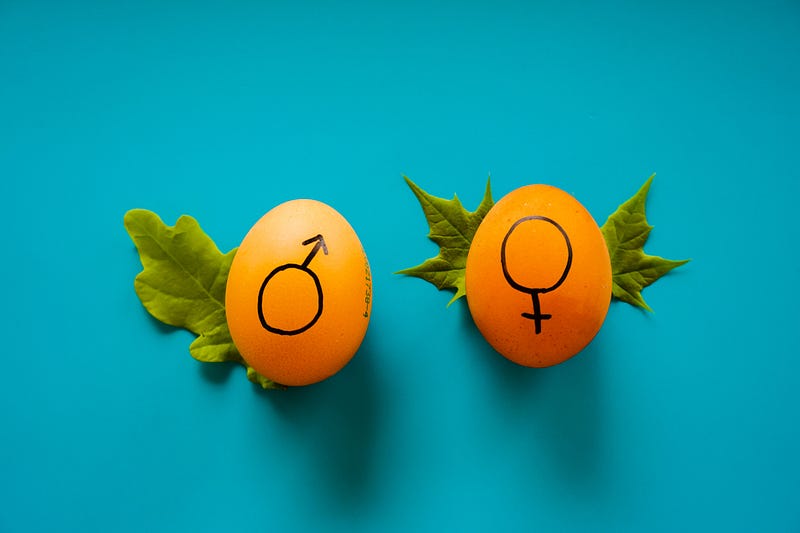
Photo by Dainis Graveris on Unsplash

The gender pay gap is another critical factor often cited as evidence of male dominance worldwide. Despite progress in gender equality, studies consistently show that, on average, women tend to earn less than men for comparable work.

Different factors contribute to the persistence of the gender pay gap. Occupational segregation plays a significant role, with women often concentrated in lower-paying sectors and industries.

This can be attributed to social norms, cultural expectations, and historical biases that steer women towards certain professions while undervaluing their contributions.

Biases in hiring and promotion practices also contribute to the pay gap. Studies have revealed that gender biases can influence the evaluation of candidates’ qualifications and negotiation opportunities, resulting in differential treatment between men and women.

This perpetuates wage disparities, with men often securing higher salaries and better advancement opportunities.

The undervaluation of traditionally female-dominated fields, such as caregiving and education, further exacerbates the pay gap. Despite being vital to society, these professions have historically been undervalued and tend to offer lower wages compared to male-dominated fields with similar skill requirements…

Please follow me subscribe to my profile for inspiring and entertaining stories and visit my referral link to get full stories

Life
Life Lessons
Lifestyle
Success
Leadership
Recommended from ReadMedium