
Examining Bad Experiences Via Psychology & Taoism
We are hard-wired to focus on the negative but we can break the cycle
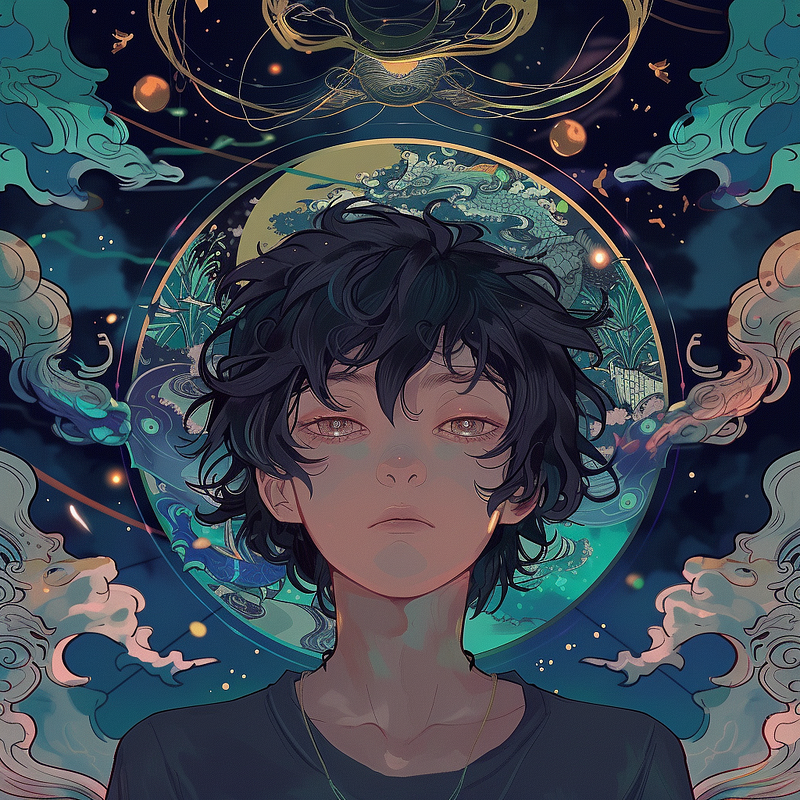

Bad experiences
We collect bad experiences in the same way we collect things as a hobby. Think of the trinkets you have around the house, fridge magnets from your travels, teacups maybe, or stamps.
My thing is collecting small-sized soccer balls sold at the club shops of the teams I’ve watched. I kind of collect them but I don’t display them, the kids have them, but there’s a rule that they can only be used inside…my mom would freak out if she read this, I can see her now, telling me as a kid to get outside with that football.
Now these things in themselves don’t denote ‘bad experiences’ indeed, they would be connected, most probably with good memories but collecting and storing bad and good experiences are just different sides of the same coin.
Indeed, we know from modern psychology research that we are hardwired to accumulate bad memories and experiences more than good ones. Of course, this comes from our ancient past when we had to constantly be on the lookout for potential dangers.
I’ve often thought that our basic problem as humans looking for happiness, or contentment at least, is that we don’t let go of our previous negative experiences.
Of course, many of us have gone through childhood trauma and it’s just as easy as saying we want to be rid of our experiences and to come to terms with them but through therapy that’s basically what it’s all about, learning to live with them and moving on.
I want to look at this phenomenon from a psychological perspective and a spiritual, Taoist perspective.


Psychology perspective
Cognitive bias and negative overgeneralization: Research shows that negativity bias can lead to overgeneralization, where one bad experience affects our perception of unrelated future events, contributing to a sense of unhappiness.
Mental health practices: Over-focusing on bad experiences without effective coping mechanisms will most definitely lead to mental health issues such as anxiety and/or depression. Attending therapy sessions, practicing mindfulness meditation, and resilience-building practices are all encouraged with the goal of learning to both accept past experiences and stay present in our daily lives and not get too caught up in our negative emotions.
This is not to deny these emotions but to learn how to correctly deal with them.
Attachment theory: Negative experiences from childhood shape how we see the world and as we grow older we mirror what we’ve seen in our adult relationship. Getting down to the roots of where, and why, certain experiences first happened can lead to people learning how to engage in healthy relationships.


Taoist spirituality perspective
Impermanence and acceptance: Taoism teaches the impermanence of all things. Good and bad experiences are transient by their very nature. Acceptance and detachment from our personal experiences are seen as paths to inner peace and happiness, rather than letting them control our inner emotional state.
Balance of opposites: This Yin Yang principle puts forth the constant balance of opposites in the universe, night and day, happiness and sadness, etc. A Taoist practitioner learns to interpret bad experiences as necessary counterparts to good experiences. It’s easier said than done, granted, but practicing to see the world in this way will certainly help.
Wu-Wei: Taoism teaches us to try and live life without resistance, understanding the constant flow of the peaks and troughs in our lives. Learning to see the world through this lens and trying to live with the flow of life can help us all learn how to live better lives.
Physical practices: Practices such as Tai Chi, and Qi Gong will both lead practitioners to have an overall better physical condition and because they both focus also on the mind, they can help bring mind and body into better balance.
Hi, I’m Paddy. Thanks for reading my article.
I’m a counselor, coach, and meditation teacher.
If you’d like to read my latest articles on Medium you can subscribe here. If you’d like to contact me regarding a counseling session or about writing, you can contact me here. My different social media channels are here.