avatarMichelle Teheux

Free AI web copilot to create summaries, insights and extended knowledge, download it at here

4362

Abstract

re their encounters and engage with a global audience. Channels like “Audit the Audit,” “News Now Houston,” and “High Desert Community Watch” have gained substantial followings, with millions of views on their videos. These auditors have become celebrities within the YouTube community, attracting both supporters and critics.</p><p id="a3fd">One prominent example of First Amendment audits in action can be found in the following YouTube video :</p> <figure id="67f2"> <div> <div> <img class="ratio" src="http://placehold.it/16x9"> <iframe class="" src="https://cdn.embedly.com/widgets/media.html?src=https%3A%2F%2Fwww.youtube.com%2Fembed%2FDT2baYDdt8s%3Ffeature%3Doembed&amp;display_name=YouTube&amp;url=https%3A%2F%2Fwww.youtube.com%2Fwatch%3Fv%3DDT2baYDdt8s&amp;image=https%3A%2F%2Fi.ytimg.com%2Fvi%2FDT2baYDdt8s%2Fhqdefault.jpg&amp;key=a19fcc184b9711e1b4764040d3dc5c07&amp;type=text%2Fhtml&amp;schema=youtube" allowfullscreen="" frameborder="0" height="480" width="854"> </div> </div> </figure></iframe></div></div></figure><p id="3b1b">In my personal view, despite the unprofessional response from the police officer in this video, the auditor seemed to be excessively provoking them. This behavior is somewhat perplexing and, in my opinion, unacceptable. It is crucial to remember that even though First Amendment audits serve a significant purpose in maintaining governmental accountability and educating the public about their constitutional rights, there should be a level of respect and understanding maintained during these interactions. Extreme provocation can potentially cloud the intended message and purpose of these audits, creating unnecessary tension and conflict.</p><figure id="621a"><img src="https://cdn-images-1.readmedium.com/v2/resize:fit:800/1*KJUyQTNlBxn8ZjrbDYhNag.jpeg"><figcaption></figcaption></figure><h1 id="8ea1">First Amendment Audits Legal Controversies</h1><p id="13d7">First Amendment auditors have sparked debates about the boundaries of free speech and the role of citizens in holding public officials accountable. Supporters argue that these audits promote transparency and government accountability, while critics question the motives of auditors and the potential disruption they may cause.</p><p id="20fa">The legality of First Amendment audits is a subject of as being said before is in ongoing debate. While auditors argue that they are exercising their constitutional rights, law enforcement agencies have raised concerns about potential interference with police operations and public safety. Courts have grappled with balancing the right to record in public spaces with legitimate law enforcement interests.</p><p id="88d3">In light of the ongoing debate surrounding the legality and appropriateness of First Amendment audits, it’s beneficial to seek insight from experts in the field. One such voice on Medium.com belongs to <a href="undefined">Kemal M. Lepschoq, LL.M. 👨🏻‍🎓⚖️</a>; while I do not have expertise in the law field, I think lawyers like Kemal could provide a valuable perspective on this complex issue more than me.</p><figure id="d1df"><img src="https://cdn-images-1.readmedium.com/v2/resize:fit:800/1*KJUyQTNlBxn8ZjrbDYhNag.jpeg"><figcaption></figcaption></figure><h1 id="84e6">The Role of the First Amendment on Free Speech</h1><p id="0c34">Some argue that First Amendment audits are essential for preserving and promoting free speech rights, as they serve as a check on government power. However, others contend that auditors’ confrontational tactics and the potential for escalations may undermine the public’s perception of genuine free speech advocacy.</p><p id="21db">While First Amendment audits may be well-intentioned, there is growing concern that they may unintentionally foster a societal attitude of mistrust toward law enforcement. These audits, while promoting transparency, can inadvertently send a message that all law enforcement actions are suspect. This could potentially lead the public to form a negative or adversarial view of police officers and other officials, undermining their authority and complicating their efforts to maintain public safety.</p><p id="7144">It’s important to note that the concept of First Amendment audits is relatively new and not thoroughly r

Options

esearched or studied. Therefore, while it stands as a potent tool for exercising constitutional rights, its broader implications on society’s perception of law enforcement and public safety need careful examination and thoughtful discussion.</p><figure id="311e"><img src="https://cdn-images-1.readmedium.com/v2/resize:fit:800/1*KJUyQTNlBxn8ZjrbDYhNag.jpeg"><figcaption></figcaption></figure><h1 id="9f57">First Amendment Audits & Digital Media</h1><p id="2f05">As First Amendment audits continue to gain attention, their future in the digital media landscape remains uncertain. YouTube’s evolving policies, legal challenges, and public sentiment will play a significant role in shaping the direction of these audits. It is likely that we will see continued discussions regarding the balance between constitutional rights and public safety concerns.</p><p id="c0df">My hope is for the auditors to recognize the collective impression they create and the consequential societal impact. While these audits seem to be a legitimate exercise of civil liberties, they also contribute significantly to shaping public opinion. Therefore, a measure of caution and responsibility is necessary.</p><p id="25f3">Auditors should be mindful of the potential for their activities to inadvertently cast law enforcement in an adversarial light, fostering an environment of mistrust. My hope is, therefore, that they will exercise their rights with a balanced approach, recognizing the weight of their contributions to public opinion and the need for this practice to be judiciously monitored and controlled.</p><figure id="d641"><img src="https://cdn-images-1.readmedium.com/v2/resize:fit:800/1*KJUyQTNlBxn8ZjrbDYhNag.jpeg"><figcaption></figcaption></figure><h1 id="6258">Conclusion</h1><p id="77dc">First Amendment auditors have carved out a unique place on YouTube, captivating audiences with their audacious encounters and challenging the boundaries of free speech. However, the impact and consequences of these audits extend beyond YouTube, raising important questions about the balance between individual rights, government accountability, and public safety. As the digital media landscape continues to evolve, the future of First Amendment audits remains uncertain. Only time will tell how this trend will shape the broader discourse on free speech and citizen engagement with those in power.</p><p id="cadf">I firmly believe that while we need to address the issue of police misconduct, it is important that our methods do not exacerbate the problem. Police officers are as susceptible to stress and mental health issues as any other citizen. First Amendment auditors pushing law enforcement officers too far may not only be counterproductive, but it could also put unnecessary strain on these public servants, who have families and personal lives just like the rest of us. In the pursuit of justice, we must remember to extend empathy and understanding towards all parties involved. It is only by doing so that we can foster a fair and just society.</p><figure id="7625"><img src="https://cdn-images-1.readmedium.com/v2/resize:fit:800/1*KJUyQTNlBxn8ZjrbDYhNag.jpeg"><figcaption></figcaption></figure><h1 id="9e53">Author’s Note</h1><p id="320a">Thank you for reading my story. Here is some information about <a href="https://readmedium.com/editorial-bio-of-ali-alzahrani-b78c1a23fcbc?sk=1150094bb674aaa7701f61972f40b86c"><b>my background</b></a>. 🙏Consider sharing and participating in the conversation if this content speaks to you. For any queries, collaborations, or comments, reach out to me at <a href="[email protected]"><b>[email protected]</b></a>. Thank you for supporting my work!</p><div id="c94c" class="link-block"> <a href="https://medium.com/@aaar69member/subscribe"> <div> <div> <h2>Get an email whenever Ali Alzahrani, Editor publishes.</h2> <div><h3>Get an email whenever Ali Alzahrani, Editor publishes. By signing up, you will create a Medium account if you don't…</h3></div> <div><p>medium.com</p></div> </div> <div> <div style="background-image: url(https://miro.readmedium.com/v2/resize:fit:320/0*hM3RhYQ7aRYMopVt)"></div> </div> </div> </a> </div></article></body>

Evil

People Suck So Much More Than You Realize

The next mass shooter is pretending to find massacred children horrific, but he actually doesn’t.
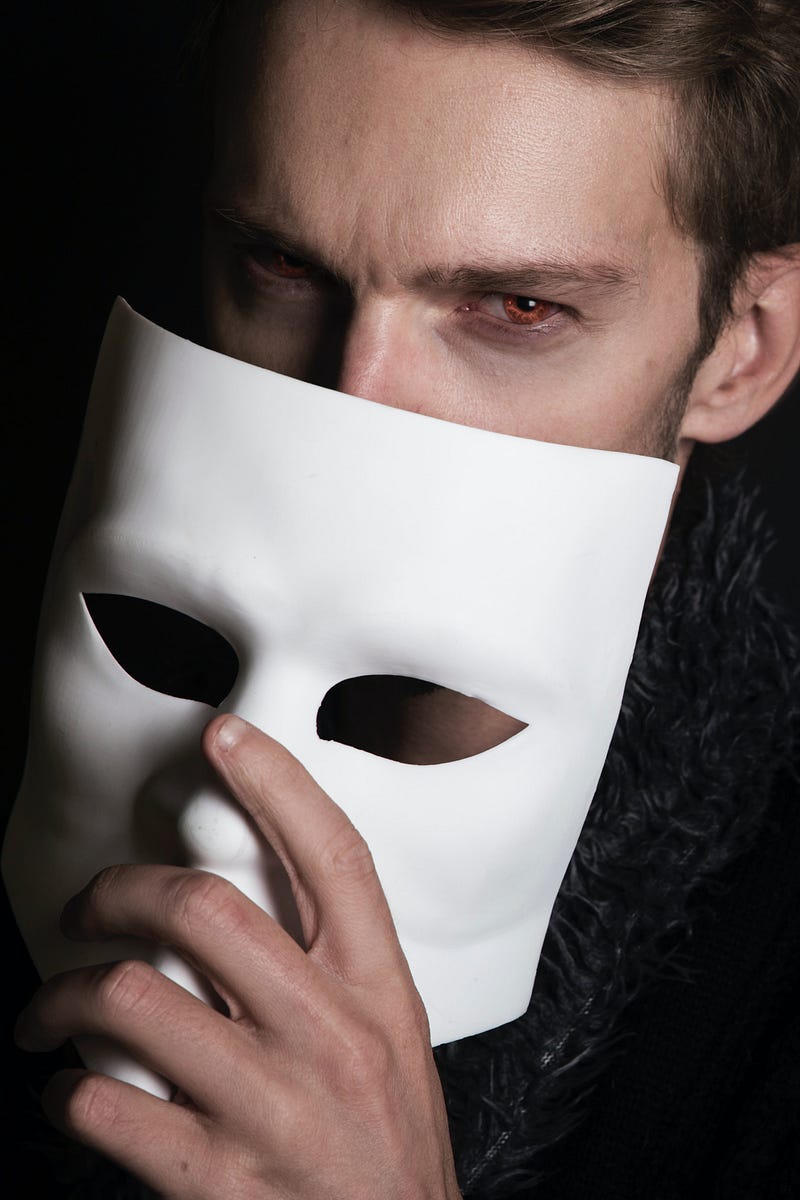
Photo by Sander Sammy on Unsplash

People conform to get along. They know what parts of themselves are taboo and they mostly do a pretty good job of hiding those parts of their true natures.

Sometimes the things they hide are innocent things that they’d get ribbed for, and sometimes they feel forced to hide things that a more enlightened society would better accept, like being LGBTQ.

But sometimes, people know exactly what kind of evil garbage they are, and they take pains to pretend to be decent people.

We can all think of some examples:

  • Think of Nazi Germany. The people working in the concentration camps were indistinguishable from their neighbors until the war. You could have two neighbors who got along fine, but when war broke out, one of the men hid Jews in his attic while the other collaborated with the Nazis or got a job as a concentration camp guard. And until the war, you’d likely have had no idea what different things were in each man’s heart.
  • Think of the Rwandan massacre. You had Hutus and Tutsis living peaceably side by side, and then one day Hutus began massacring the Tutsis.
  • Think of the American treatment of enslaved African people and Native Americans. Perfectly “nice” people had no problem doing unspeakably cruel things to both these groups.

The world is full of examples. There are people who seem like ordinary folks who, given the right set of circumstances, are capable of the vilest butchery.

Another example is the serial killer Dennis Rader, who called himself BTK for “bind, torture, kill.” He was a respected member of the community and active in his church. Neither his wife and children nor his church members could believe he was capable of the horrific murders he committed.

When I took my very first journalism class, the professor talked about the necessity of interviewing the neighbors of a suspected murderer.

“That’s where you get the quotes that say, ‘We had no idea! He seemed so normal!” he said.

You can imagine that if you had had a conversation with any of these violent people in advance, they’d have made polite, predictable reactions if the subject of murders came up.

“Oh, that’s terrible! How shocking! Those poor people!”

They’d know better than to say, “I’d like to off a few of them myself.”

An exception are the incel types who openly admire Elliot Rodger. He’s the guy who killed six people in 2018 because he didn’t know how to get a date.

Most of us react to these mass shootings with grief. If we have children or grandchildren the ages of the victims in the latest school shootings, we can’t help but think how devastated we’d feel if our own loved ones had been shot. We think of the anguish of the survivors and wish we could do something to take away their pain.

We try to imagine what kind of person could look at an endearing little child and purposely hurt them. It’s unimaginable.

But it’s not unimaginable to everyone.

There are people among us, right now, who are only pretending to be horrified. They know it’s not socially acceptable to say so, but they could see themselves shooting up a public place or a school. Or committing acts of terrorism by blowing themselves up.

A former boss of mine once stated that if he were ever going to kill himself, he wasn’t going to go alone. “I’m going to take some other people out with me,” he said. I never trusted him after that.

You just don’t know what’s in other people’s hearts and minds.

“And all of us have like wonders hidden in our breasts, only needing circumstances to evoke them.”

― Charles Dickens, A Tale of Two Cities

I know of no way to identify the evil people among us who hide their true natures and pretend to be perfectly nice people.

But make no mistake. While the rest of us are mourning those sweet angels and their dedicated teachers, there are a handful of people out there who somehow think that act was a reasonable thing to do.

Most of them will go to their graves without having committed any atrocities. But should something set them off, look out.

Social media was our first hint.

I was working at a newspaper when internet comments started. I was accustomed to receiving letters to the editor, which tended to be fairly reasonable, probably because they were signed with real names.

I printed virtually every letter, including the ones who hated me and said things like, “Your a moran!” (I’d even politely fix their insult to “You’re a moron.”)

When people first gained the ability to anonymously comment at the end of newspaper articles, I was astonished at the vile hatred people poured out. I had no idea people sucked as much as I now realize they do.

I’d have pegged the number of hateful folk in the population at around 10 percent. Now? I believe about a third of the population is truly reprehensible, about a third is pretty decent and about a third are mostly disengaged and capable of going either way. (If you’re thinking of the percent of Hitler supporters and Trump supporters, this will be of interest to you.)

You and I have both read comments from people who are in favor of ripping babies from immigrants’ arms, of bombing innocents, of running over or shooting protestors they don’t agree with, of letting women with a dangerous pregnancy die rather than permitting them to have an abortion … I could go on. They are telling us who they are. Believe them the first time.

And also, understand that they are the people who, given the right circumstances, are capable of committing horrific acts.

So where does this get us?

Most places in the world are much safer than the U.S. Are we actually more violent or evil than people in other countries? I don’t think that’s it.

But I do think we need to find ways to reduce our citizens’ murderous impulses.

One way would be to improve the lives of ordinary Americans. People living fulfilling lives don’t shoot up elementary schools, become opioid addicts, commit suicide or display any of the other signs you see in people living lives of quiet desperation.

Also, if we make guns harder to get, the rage of the would-be shooter may have time to fade before he can act on them.

But since the people in power are not interested in fixing America’s culture, the shootings will just have to continue.

Mass Shootings
People Suck
Violence
The World
Evil
Recommended from ReadMedium