Everything You’ll Ever Need to Know
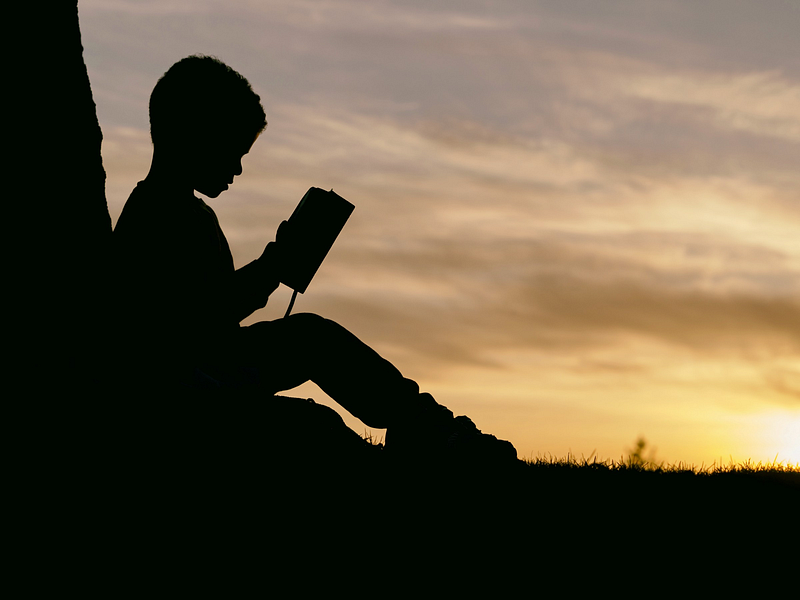
When I was young, I read a book that taught me an exceptionally important lesson. I was in eighth grade and I was enthralled with a young adult series written by John Flanagan: The Ranger’s Apprentice. It was a whimsical adventure series set in a medieval fantasy kingdom. The world was based off of medieval England and its surrounding kingdoms and societies, but altogether it was a fantasy. No main characters died, the hero always found a way to save the day. There was no torture, brutal deaths, or rape. It was simply a series of fun kids novels, with nothing more to learn. Or so I thought.
The fourth book in the series involved the main characters journeying into the Scandinavian inspired kingdom, living and interacting with the viking-like people of this fantasy world. The kingdom soon faces threat of attack from what the characters describe as the greatest horse army in the world, the Temujii. I finished the book and thought it was all just the fantasy world the author had created. Until the next day, in my eighth grade history class; we learned about the mongol dynsaty. The teacher mentioned Ghengis Khan and his horde of mongol warriors. I thought this sounded familiar and then I learned Ghengis Khans original name was Temujin (among other translations) and I realized I knew everything and more we would learn that day. I knew the tactics and strategies of the Mongol horde. Their army and command structure that was based in increments of ten. Their small, shaggy horses with impressive stamina and their culturally unique curved horn bows. Their prowess as horse masters, riding vast distances in almost unbelievable times. Psychological war tactics including whistling arrows and gold tarp domed tents. How they were an overwhelming force that was on the verge of conquering the entirety of the Euraisan continent. All of this from a children's book. I only hadn’t realized all this history I knew until I recieved a bit of a nudge from public education.
That day in class, I answered every question the teacher posed (and may have interceded unprompted more than was acceptable) despite never hearing of Ghengis Khan before. After class, my teacher asked me how I knew so much about the topic and I said “From a book I read.” I went home that day and told my mother about what happened in class, proud of the fact I learned so much from those kids books I loved so dearly. My mother was a reading teacher and a strong advocate for reading as much as possible. She even has a quote of her own words on a plaque in her office “Read, read more, and read more often” . When I finished my recap of the day, she told me I could learn everything I ever needed to know by reading. At the time, I thought she was silly. I soon understood that she was right.
I became an avid reader and slowly graduated from fun kids novels to more complex books. My reading became more synonymous with the world, historically, socially, politically, and spritually. I learned the fundamentals on the horrors of war, but also the true beauty and peace that can be found within the natural world. I educated myself on empires and cultures I never knew existed while simultaneously expanding my knowledge on places and people- both modern and ancient- I had some previous experience with. I discovered the truth of topics I had previous misconceptions on. From the political commentary of 1984 to the adventures of fictional Texas Rangers in Lonesome Dove. Books taught me everything from the variability of the human psyche to the winds of Mount Everest to the first European invaders in North America. Books allow you to step into another persons life. Whether it’s from the experiences of the author, a telling of a time or place you’ve never been, or purely fictional, books always contain something you didn’t know when you first picked it up.
I can confidently say I learned more from books than I did in school. To be fair, I wasn’t very good at math or science, so most of what I effectively understood and retained from school was in literature classes. Even still, reading made me a more educated person. It has made me a happier person, a more empathic person, and, overall, a better person. See, I loved that Ranger’s Apprentice series I read as a boy. Not just for the fun and enjoyment I had from the mind of this author, but more importantly for the lifelong lesson I learned from it. If you want to learn, then read books. They can teach you everything you will ever need to know. They have certainly taught me more than I ever imagined.

📝 Read this story later in Journal.
🎨 Wake up every Sunday morning to the week’s most noteworthy stories in The Arts waiting in your inbox. Read the Noteworthy in The Arts newsletter.


