
Everything you need to improve is free!
Are we in the age of buying performance improvements?
It seems to me that people find it easier to buy improvements.
And before anyone points out how judgemental this sounds, I include myself in that statement.
Whenever I’ve gotten into a new hobby or activity over the past decade or two (If I had to pinpoint when it started, I’d be pretty sure it was when I started earning a real wage; more on this later), I’ve been keen to be the best I could be at that thing.
When questioning how to be the best I could be I’ll consider what the required skills are or techniques I need to master. And immediately after I’ll ask, what software; technology; equipment will make me better at that thing. My first thought seems to always be:
“What can I buy to give me that outcome?”
For example:
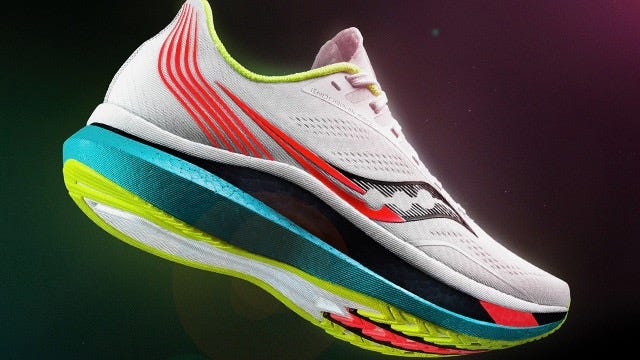
Goal: How can I become a faster runner — Response: buy new running shoes
Goal: I want to take better photos — Response: buy a new camera
Goal: I want to write better — Response: I need a new laptop or latest app to make it easier to write
Goal: I need more online sales — Response: buy advertising, and funnels and other such promotional activities
I hope some of these examples resonate with you; I don’t think this is just me!
It seems a little like avoidance tactics, and in many ways it is. It’s actually now easier to purchase something than the physical and mental effort to just get better at that thing.
Let’s take the running example with my goal to run faster. At my relatively basic level of running, the gains from a pair of performance shoes is minimal compared to the higher gains achievable from me having stronger muscles and great aerobic fitness. In short, lighter shoes are unlikely to help much if my physical fitness is not improving.
However, finding the time and motivation to put in the miles required to improve — Very hard. Browsing the web and purchasing a new pair of running shoes — Easy.
Will this make me run faster? Probably not, but it will make me feel better and you can say to yourself “I’m committed to my goal, look how much I just spent on it!”
I believe that this point is being papered-over by so called ‘efficiently experts’ who would debate the make ‘v’ buy outsource model. Why bother learning or doing something when you can pay someone else to do it? Although this may have a place as a concept at certain times, the flip side is you are not developing yourself at any point when you outsource.
And once you go down that route, its a trap.
Bought software to be a better photographer? Well you’ll need the newest software when it comes out; you’ll need to pay again (and don’t even get me started with the subscription model that ensures you are locked in). At this stage you are dependent on the one that that isn’t directly under your control; your own skills.
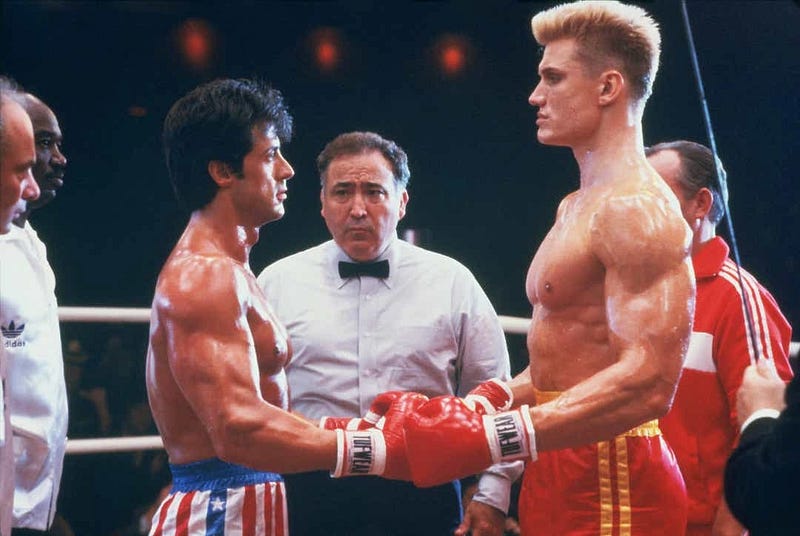
And I couldn’t end this article without a sneaky throwback reference to the film Rocky 4 and the training montage cutting between Rocky, forced to train with no equipment provided and Drago with all the best money can buy. I won’t spoil the ending, but can you guess who won?
So next time you are looking at a new hobby, activity or goal. Start with what you can do for free and layer the externally acquired things afterwards to enhance what you are building in yourself.
Thank you for reading. I look forward to hearing your thoughts in the comments.
Hope you also like the topics in my other articles below.


