
Everything You Ever Wanted to Know About Coffee for Weight Loss but Were Afraid to Ask
Coffee is a popular beverage that is enjoyed by many people. While coffee can provide several health benefits, including boosting metabolism and increasing energy levels, it is not a magic solution for weight loss.
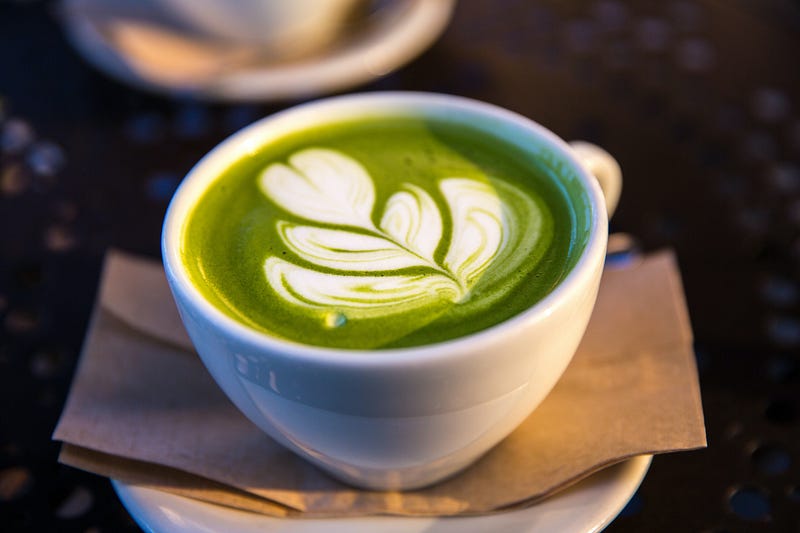
Drinking coffee alone will not lead to significant weight loss. However, when combined with a healthy diet and regular exercise, coffee can be an effective tool for weight management. The caffeine in coffee can help to suppress appetite and increase the body's metabolic rate, which can lead to burning more calories throughout the day.
It is important to note that adding high-calorie creamers or sugar to your coffee can negate any potential weight loss benefits. To maximize the potential weight loss benefits of coffee, it is best to drink it black or with a small amount of low-calorie sweetener.
The topic of using coffee for weight loss explores the potential benefits and effects of consuming coffee in facilitating weight loss. Studies suggest that caffeine, a natural stimulant found in coffee, can boost metabolic rate, enhance fat oxidation, and stimulate thermogenesis, potentially aiding in weight loss. However, this topic also delves into other factors such as the type of coffee, amount of consumption, and the relative impact alongside a balanced diet and regular exercise. It is important to note that while coffee may support weight loss efforts, it cannot replace a healthy lifestyle.
popularity of coffee as a beverage and its potential benefits for weight loss
Coffee is one of the most popular beverages around the world due to its stimulating effects and rich flavor. Asides from its unique taste and aroma, recent studies suggest that coffee might also come with potential benefits for weight loss. Caffeine, the natural stimulant in coffee, has been linked to an increased metabolic rate, enhanced fat oxidation, and stimulated thermogenesis, all of which could aid in weight loss. However, the efficacy of coffee as a weight-loss aid is also dependent on factors such as the type of coffee, amount consumed, and its role in a balanced diet and regular exercise regime.
How coffee can aid in weight loss
Caffeine, the key component of coffee, is a natural stimulant that can enable the body to burn fat at a faster rate by boosting its metabolism. The metabolic rate is the pace at which the body can convert calories from food into energy. When your metabolic rate increases, your body may be capable of burning calories more efficiently, potentially leading to weight loss.
Furthermore, caffeine can also contribute to weight loss by enhancing fat oxidation. That means it aids the body in breaking down large fat molecules into smaller molecules which are then used for energy, leading to reduced fat storage.
Studies have found that the body's thermogenic process, which generates heat and energy from burning food, is positively influenced by caffeine intake. This can increase calorie burn, further contributing to weight loss.
Lastly, caffeine's stimulating effects on the central nervous system can lead to a suppressing effect on appetite. This can potentially reduce calorie intake, leading to a calorie-deficit situation that encourages weight loss.
However, it is important to note that coffee consumption alone isn't a miracle weight loss solution. It should be consumed in moderation and as part of a balanced diet and regular exercise routine. Also, the type of coffee makes a difference. Some beverages are laden with sugar, cream, and other high-calorie additives, negating some of the potential weight loss benefits of the caffeine content. So, it's best to stick to black or green coffee without any additives for gaining weight loss benefits.
Caffeine, the main ingredient in coffee, is known for its ability to increase alertness and boost energy levels. Upon consumption, caffeine is quickly absorbed from your gastrointestinal tract into your bloodstream. From there, it travels to your liver to be broken down and ends up in various bodily fluids, including your bloodstream once again.
Once caffeine enters your brain, it blocks an inhibitory neurotransmitter called adenosine. This causes an increase in the release of other neurotransmitters like dopamine and norepinephrine, leading to enhanced firing of neurons. This chain of events results in an energy boost, increased focus, better mood, and improved cognitive function.
The presence of caffeine in your system also stimulates your nervous system and sends signals to your fat cells to break down fat. Additionally, it increases your levels of the hormone adrenaline. With this hormone's release, it prompts your body to break down fats stored in your fat tissues, releasing them into your blood to be used as fuel. This process is known as fat oxidation.
In terms of physical performance, caffeine has been shown to increase adrenaline levels, which prepares your body for intense physical exertion. It also increases the release of fatty acids from your fat tissues, enhancing the availability of fats as fuel. This combination can lead to improved physical performance by around 11-12%, on average.
With better physical performance and more available energy, you are more likely to engage in more intensive and longer physical activities, which in turn leads to a higher overall calorie burn and potentially weight loss.
However, the extent to which ingesting caffeine boosts metabolism varies, and it may be less effective in long-term coffee drinkers. It's also recommended to combine coffee consumption with regular exercise and a balanced diet to attain physical health benefits.
Several studies have suggested that coffee may have anti-inflammatory properties, which could potentially assist in weight loss. Certain compounds found in coffee such as chlorogenic acid, melanoidins, and N-methylpyridinium have shown to reduce inflammation. Chronic inflammation is often linked with obesity, so by reducing inflammation, coffee could possibly help control weight or even aid in weight loss.
Beyond its potential anti-inflammatory properties, coffee also contains dietary fiber and antioxidants, which can contribute to a healthier gut. A balanced gut microbiota is crucial for optimal digestion and nutrient absorption, and unhealthy gut can lead to inflammation and weight gain. Therefore, by supporting gut health, coffee could indirectly facilitate weight loss as well.
Polyphenols, found generously in coffee, can also act as prebiotics beneficial to gut health. Prebiotics feed the beneficial gut bacteria, thus helping maintain a healthy balance in your gut microbiome.
The potential benefits of coffee should still be considered alongside its possible side effects, such as jitteriness or sleep disruption, and it's recommended to consume coffee in moderation. Also, it's important to remember that while coffee can contribute to a healthy lifestyle, it cannot replace a balanced diet and regular exercise.
Studies behind Coffee for Weight Loss.
1. A study published in the "American Journal of Clinical Nutrition" found that caffeine intake was inversely associated with weight gain over a 12-year period.
2. Research from the University of Nottingham demonstrated that drinking coffee could help stimulate "brown fat", the body's own fat-fighting defenses, which could be the key to tackling obesity and diabetes.
3. Portland's School of Medicine research stated that the chlorogenic acid in coffee could have potential impacts on the body's metabolism and help with weight control.
4. A study in the "International Journal of Epidemiology" found that individuals who drank 4 cups of coffee per day had a lower risk of weight gain.
5. A 2020 study in "The Journal of Nutrition" found that consumption of 3 to 4 cups of coffee per day is associated with small reductions in body fat.
6. The Dutch National Institute for Public Health and the Environment (RIVM) released a study in 2019 showing an association between coffee consumption and the prevention of weight gain.
7. A study from the Harvard School of Public Health found that increasing coffee consumption might reduce type 2 diabetes risk, which in itself would contribute to weight loss.
In addition to its potential anti-inflammatory properties, coffee may promote weight loss via other mechanisms as well. Here are a few possibilities:
1. Increased Fat Oxidation: Caffeine, a primary component in coffee, has been proven to stimulate fat oxidation, otherwise known as fat burning. It does this by boosting the metabolic rate and encouraging the breakdown of fatty acids in the body. This can potentially lead to an increase in calorie burn, even while at rest, which could assist in weight reduction.
- Decreased Caloric Intake: Some studies suggest that consuming caffeine can actually reduce feelings of hunger – though this may only be a temporary effect. Also, if coffee is consumed before a meal, it could potentially decrease the overall amount of food consumed during that meal, thereby lowering the overall calorie intake for the day.
- Enhanced Physical Performance: Caffeine may help improve physical endurance and performance, allowing for longer or more intense exercise sessions. This increased activity can in turn boost the overall energy expenditure, promoting weight loss as a result.
- Increased Thermogenesis: Thermogenesis is the process by which the body produces heat to burn calories. Some studies suggest that caffeine can raise thermogenesis, thus improving the body’s calorie-burning capability.
It's also important to note that adding large amounts of sugar or cream to your coffee could negate these potential benefits, as they will significantly increase the caloric value of the drink.
However, more research is needed to fully understand the relationship between coffee consumption and weight loss, and it's recommended to incorporate other healthy lifestyle changes, like regular exercise and a balanced diet, to achieve sustainable weight loss.
Tips for using coffee for weight loss
Here are practical tips for incorporating coffee into a weight loss plan:
1. Drink it Black: The simplest and most effective way to drink coffee for weight loss is to have it black. Unflavored coffee contains zero calories, thereby preserving the potential calorie-burning benefits of the beverage.
2. Avoid Sugary Additives: High amounts of added sugars can turn a potentially healthy beverage into a significant source of extra calories. If black coffee is too bitter for you, you may want to consider adding a small amount of natural sweetener, such as stevia.
3. Limit Creamers: Similar to sugar, adding cream, half-and-half, or any other high-fat additions to your coffee can significantly increase its calorie content. If you can't drink your coffee black, consider using almond, soy, or other plant-based milks as healthier, lower-calorie alternatives.
4. Time Your Consumption: Consuming coffee before meals or workouts can maximize its potential benefits. The caffeine in coffee can reduce feelings of hunger, while also potentially boosting your metabolism and enhancing performance during exercise.
5. Don't Overdo It: Despite the potential benefits, drinking too much coffee can lead to side effects such as insomnia, digestive problems, and increased heart rate. Typically, it's recommended that adults consume no more than 400mg of caffeine per day — the equivalent of about four 8-ounce cups of coffee.
6. Use Coffee as a Pre-Workout Drink: Drinking a cup of black coffee 30-60 minutes before your workout can help to increase fat burning and energy levels during your workout.
Remember, coffee can be a useful tool in a weight loss regimen, but it's not a magic potion. In order to achieve a healthy and sustainable weight loss, it should be accompanied by other healthy lifestyle changes like a balanced diet and regular exercise.
Indeed, if you're incorporating coffee into your weight loss plan, it's crucial to do so in moderation to avoid negative health effects. Consuming too much caffeine, the active ingredient in coffee, can lead to insomnia, jitteriness, upset stomach, increased heart rate, and even anxiety. Typically, it's recommended that adults consume no more than 400mg of caffeine per day - the equivalent of about four 8-ounce cups of coffee. Drinking coffee in balance with your overall diet and lifestyle is key.
Remember, coffee isn't a weight-loss miracle drink. It can help boost your metabolism and energy levels, thereby assisting in weight loss, but it should not be relied upon as the sole method of shedding pounds. Progressive and sustained weight loss typically requires a multi-faceted approach, including regular physical activity, a balanced diet, and healthy sleep habits. As with any food or drink, balance and moderation are key. It's always best to consult with a healthcare provider or dietitian to discuss the most effective and safe ways to incorporate coffee or any other dietary changes into your health or weight loss regimen.
Green coffee bean extract is a popular alternative to drinking coffee for its potential weight loss benefits. The extract comes from raw, unroasted coffee beans and features a higher concentration of certain compounds compared to typical, roasted coffee beans. One of these compounds is chlorogenic acid, which has been linked to weight loss in some studies.
However, it's important to consider a few key points:
- As a supplement: Green coffee bean extract is available in supplement form. It’s typically advised to follow the manufacturer’s instructions closely for appropriate dosage.
- With meals: Some sources suggest taking green coffee extract with meals to help control blood sugar and manage weight.
- Safety: It’s crucial to remember that supplements not all are regulated by the FDA in the same way medications are for their safety and efficacy. So it’s wise to consult your healthcare provider before you start a new supplement regimen to avoid any potential drug interactions and side effects.
- Additional factors: While green coffee bean extract may help with weight management, it’s not a standalone solution for weight loss. Adequate exercise, a balanced diet, and sufficient sleep are vital factors in overall health and weight loss as well.
- Balance: If you like the taste of coffee and want to continue drinking it, you can certainly do so – in moderation – while also incorporating green coffee bean extract. Avoid consuming too much caffeine in total to prevent potential side effects.
Remember, the key towards weight loss and overall wellbeing isn't a single food or supplement, but rather a balanced approach to lifestyle, diet, and physical activity. Always involve your healthcare provider in such decisions for expert advice tailored to your personal needs.
Addressing potential concerns
Using coffee, including green coffee bean extract, for weight loss does come with potential drawbacks that should be considered.
1. Increased Anxiety: Coffee contains caffeine, which can cause nervousness and jitteriness in some people. This can lead to an increase in anxiety, especially in high doses or in individuals who are particularly sensitive to caffeine.
2. Disrupted Sleep: Caffeine can interfere with sleep, especially when consumed later in the day. Disrupted sleep can result in fatigue during the day and potentially sabotage weight loss efforts, as a lack of sleep can increase hunger and cravings.
3. Dependency: Regular consumption of caffeine can lead to dependency, which means you may need to consume more and more coffee or extract to achieve the same effects. This can also lead to withdrawal symptoms like headaches, fatigue, irritability, and depression when you try to reduce intake or stop using it.
4. Gastrointestinal Problems: Some people may experience stomach upset or discomfort when consuming green coffee bean extract, especially in larger doses.
5. Increased Heart Rate: High doses of caffeine can increase heart rate in some people, which may not be safe for all, especially those with certain heart conditions.
6. Potential Interactions: Green coffee bean extract may interact with some medications or supplements. This is why it's crucial to consult your healthcare provider before starting any new supplement regime.
7. Allergic Reactions: Though rare, some people may have allergic reactions to green coffee bean extract.
It's always recommended to approach weight loss in a balanced, healthy way, with a combination of a nutrient-rich diet, regular exercise, and good sleep habits. Always consult with a healthcare professional before starting any new supplement or weight loss plan.
try >green coffee plus< to see for yourself.
Tips and Tricks on how to use Coffee
- Limit consumption: Restrict your coffee intake to one or two cups per day, depending on your caffeine sensitivity. This can help prevent unnecessary jitters and anxiety.
- Monitor your caffeine intake: Besides coffee, caffeine is also found in other foods and beverages like tea, chocolate, some sodas, and certain medications. Be mindful of your total daily caffeine intake.
- Consume early in the day: To minimize interference with sleep, have your coffee in the morning or early afternoon, rather than later in the day.
- Start slow: If you are starting on green coffee bean extract, begin with a low dose to see how your body reacts to it and then gradually increase.
- Check for interactions: Consult your healthcare provider to ensure the extract won’t interact adversely with any medications or supplements you’re currently taking.
- Pay attention to your body: Listen to your body’s reaction to any supplement or dietary change. If you notice any adverse effects such as increased heart rate, stomach upset, or increased anxiety, consult with your healthcare provider.
- Go decaf: If you love the taste of coffee but want to avoid the caffeine, you could consider switching to decaf. However, be aware that decaf does still contain a small amount of caffeine.
- Regular Exercise: Engaging in regular physical activity can also help in managing the side effects of caffeine like anxiety and sleep issues. Exercise in the morning can help in reducing your dependency on caffeine for energy and also assure a good night’s sleep.
Remember, everyone is different, so what works for one person may not work for another. It's important to work with your healthcare provider to find the approach that's right for you.
Conclusion
While coffee alone is not a magic solution for weight loss, it can be a helpful tool when used in moderation and in conjunction with a healthy diet and exercise routine. Incorporating coffee into a weight loss plan may provide a boost in metabolism, energy, and appetite control, but it’s important to be mindful of potential drawbacks and to consult with a healthcare professional before making any significant changes to your diet or lifestyle.
try >green coffee plus< to see for yourself.
If you need articles like this to show up in your email inbox everyday, simply go to my profile and hit the +sign on the message box.
Disclaimer:
This infor is not clinical or medical advice, it has been given only for awereness. Many people have benefited from this information but it may vary from person. If wish to buy any product from another website, I may earn a commision and that helps me to keep writing more stories to come.


