avatarSadie Seroxcat

Free AI web copilot to create summaries, insights and extended knowledge, download it at here

4030

Abstract

but always pregnant with potential and harbouring secrets and threats which garner an atmosphere of tension and fears of monsters: secrets of a returning, prophesied, patricidal son, who was intended to drown as an infant; or in Daisy Johnson’s novel, ‘The Bonak’ ..which I will leave you to discover more about on your own when you read the book. Johnson has done a rather marvellous job of weaving in themes and representations of identities which are new and surprising despite the story of Oedipus Rex by now being being commonly known.</p><p id="41e0">At the beginning of the novel we find that Gretel has not seen or been in contact with her mother for sixteen years. Yet, periodically, she has checked the hospitals and morgue, looking for any sign of her. When Sarah does come back into her life, she has dementia and needs constant care.</p><p id="1831">Once the novel is read and we are digesting it’s brilliant nuances, we can begin to better understand the first paragraph which stands on a page alone and serves as a prologue:</p><blockquote id="bf73"><p>“The places we are born come back. They disguise themselves as migraines, stomach aches, insomnia. They are the way we sometimes wake falling, fumbling for the bed-side lamp, certain everything we’ve built has gone in the night. We become strangers to the places we are born. They would not recognise us but we will always recognise them. They are marrow to us; they are bred into us. If we were turned inside out there would be maps cut into the wrong side of our skin. Just so we could find our way back. Except, cut wrong side into my skin are not canals and train tracks and a boat, but always you.”</p></blockquote><p id="09c0">I personally knew I was lost to this novel on reading that.</p><p id="8870">These very first few sentences spoke to me so loudly, appealed to my own experiences and understanding of life so clearly I couldn’t <b><i>not</i></b> push on and read the rest of the book in short order.</p><p id="95db">I’m hoping that reading this review has had a similar effect on at least some of you. Read <i>‘Everything Under’</i>, persevere if it feels dense and complicated, you won’t regret it.</p><p id="1b0c"><b><i>Also written by Daisy Johnson and well-worth checking out, are</i></b>:</p><figure id="3faa"><img src="https://cdn-images-1.readmedium.com/v2/resize:fit:800/1*9kUCzipXliWW0BWJafDmzw.jpeg"><figcaption>https://www.goodreads.com/book/show/31926472-fen</figcaption></figure><p id="a3e8"><a href="https://www.goodreads.com/book/show/26210520-fen?from_search=true&amp;from_srp=true&amp;qid=OJgyQ9kbLw&amp;rank=3"><i>Fen</i></a>’ (2016) is a collection of short-stories, which in some ways feel like a prequel to her debut novel, in it’s settings and themes — and also the cultural understanding which seems to indicate that an English fen is nothing if not a gestation pool of folklore that can also be drawn into a later, winding, tale about various people and their various stories.</p><figure id="6a49"><img src="https://cdn-images-1.readmedium.com/v2/resize:fit:800/1*-SF_WTN46ubiyM4WZhVDpg.jpeg"><figcaption>https://www.goodreads.com/book/show/49208239-hag</figcaption></figure><p id="d9b7"><i><a href="https://www.goodreads.com/book/show/49208239-hag?from_search=true&amp;from_srp=true&amp;qid=OJgyQ9kbLw&amp;rank=4">Hag: Forgotten Folktales Retold</a></i>’ (2019) in which Professor Carolyn Lartington asked eight successful female writers to join with her in creating this collection of retelling.</p><p id="0717">Professor Larrington specialises in folklore and assigned each author a story to rewrite.</p><p id="26b2">Daisy Johnson’s ‘<i>A Retelling</i>’ is decidedly metafictional, describing her own experience researching her assigned tale, ‘<i>The Green Children of Woolpit</i>’, before descending into actual, uncanny and wonderful retelling of the tale itself.</p><p id="f344">I can also recommend the audio book version of ‘<i>Hag</i>’, where everyone (including Carolyn Lartington) reads there own section(s) of

Options

the story collection. Quite a treat actually.</p><figure id="c175"><img src="https://cdn-images-1.readmedium.com/v2/resize:fit:800/0*fXjxcw9AddQT38Mb.jpg"><figcaption><a href="https://www.goodreads.com/book/show/50788186-sisters?from_search=true&amp;from_srp=true&amp;qid=OJgyQ9kbLw&amp;rank=1">Sisters by Daisy Johnson | Goodreads</a></figcaption></figure><p id="990a"><a href="https://www.goodreads.com/book/show/50788186-sisters?from_search=true&amp;from_srp=true&amp;qid=OJgyQ9kbLw&amp;rank=1"><i>Sisters</i></a>’ (2020) which I haven’t read, but which sounds just as intriguing as the rest of Daisy Johnson’s work:</p><blockquote id="3e97"><p>“Born just ten months apart, July and September are thick as thieves, never needing anyone but each other. Now, following a case of school bullying, the teens have moved away with their single mother to a long-abandoned family home near the shore. In their new, isolated life, July finds that the deep bond she has always shared with September is shifting in ways she cannot entirely understand. A creeping sense of dread and unease descends inside the house. Meanwhile, outside, the sisters push boundaries of behavior — until a series of shocking encounters tests the limits of their shared experience, and forces shocking revelations about the girls’ past and future.</p></blockquote><blockquote id="b152"><p>Sisters is a one-two punch of wild fury and heartache — a taut, powerful, and deeply moving account of sibling love and what happens when two sisters must face each other’s darkest impulses.”</p></blockquote><blockquote id="bcd9"><p><a href="https://www.goodreads.com/book/show/50788186-sisters?from_search=true&amp;from_srp=true&amp;qid=OJgyQ9kbLw&amp;rank=1">Sisters by Daisy Johnson | Goodreads</a></p></blockquote><p id="a54d">Thank you for reading.</p><p id="c9c7">If you are interested in the <b>Counter Arts Book Club Lists</b>, please take a look at the links below:</p><p id="12b7"><b><i>This year (2023)</i></b></p><div id="0411" class="link-block"> <a href="https://readmedium.com/counter-arts-book-club-2023-b1d0ed00c83d"> <div> <div> <h2>Counter Arts Book Club 2023</h2> <div><h3>To be updated throughout the year, with links to any essays and reviews about the books on our list. ***Last added to…</h3></div> <div><p>medium.com</p></div> </div> <div> <div style="background-image: url(https://miro.readmedium.com/v2/resize:fit:320/0*qVZcIumPt6_880o5)"></div> </div> </div> </a> </div><p id="f757"><b><i>Last year (first year running)</i></b></p><div id="dd41" class="link-block"> <a href="https://readmedium.com/counter-arts-book-club-read-for-literacy-57c30943a650"> <div> <div> <h2>COUNTER ARTS’ BOOK CLUB Read For Literacy</h2> <div><h3>Book Club Reviews for a good cause! LAST ADDED TO 31/12</h3></div> <div><p>medium.com</p></div> </div> <div> <div style="background-image: url(https://miro.readmedium.com/v2/resize:fit:320/1*NaQGfmkEbHR_80wtWAG5GQ.jpeg)"></div> </div> </div> </a> </div><p id="8d27"><b><i>The New List for the New Year (2024)!</i></b></p><div id="12bc" class="link-block"> <a href="https://readmedium.com/counter-arts-book-club-2024-c2b93798c8a9"> <div> <div> <h2>Counter Arts Book Club 2024</h2> <div><h3>The new list is out!</h3></div> <div><p>medium.com</p></div> </div> <div> <div style="background-image: url(https://miro.readmedium.com/v2/resize:fit:320/1*ICC576MBDOIppcFHcvSS7w.jpeg)"></div> </div> </div> </a> </div><p id="33ce">Stay safe. Stay warm. Stay well. With love — Sadie</p></article></body>

‘Everything Under’ — Daisy Johnson

A Counter Arts Book Club review
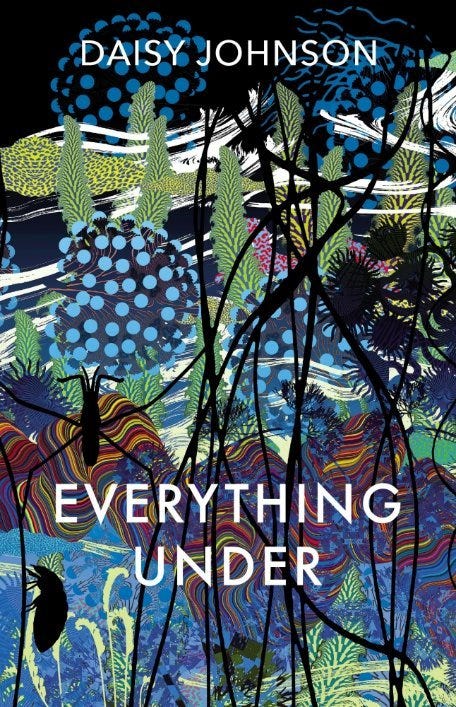
https://www.goodreads.com/book/show/36396289-everything-under?ac=1&from_search=true&qid=rABzFSD7Op&rank=1

Short-listed for the Booker Prize in 2018.

A gender fluid retelling of Sophocles’ ‘Oedipus Rex’.

“Everything Under seeped through to my bones. Reaching new depths hinted at in Fen, language and landscape turn strange, full of creeping horror and beauty. It is precise in its terror, and its tenderness. An ancient myth masterfully remade for our uncertain times. " (Kiran Millwood Hargrave)

I read ‘Everything Under’ by Daisy Johnson when I saw the title on the (then Man) Booker Prize list in 2018.

This novel is enthralling, intriguing, confusing, but mostly beautiful and wonderfully thought-provoking.

Throughout the heart of this tale there runs a river. An actual watery river on which a houseboat can float — but to me, the novel is itself akin to a river containing vast floods of stories from many ages past. The rich undertow of mythology is so impactful, it holds us afloat, our minds the houseboat in which, from which, we see the new tale take form. The new tale woven from threads of old tales, and set out upon the towpath on legs of its own to wander and develop before finally returning home to try and integrate the new with the old, make some sense of what is your own story.

And this, in a sense, is actually also the origin story of the ‘Bonak’, the river creature which terrifies Sarah and Gretel, the creature which is made from their stories and the private language they created and used during Gretel’s childhood aboard the river barge.

As an adult, when we first meet Gretel, we learn this is still her life:

“For a living I updated dictionary entries. I had been working on ‘break’ all week. There were index cards spread across the table and some on the floor. The word was tricky and defied simple definition. These were the ones I liked best. They were the same as an earworm, a song that became stuck in your head. Often I would find myself sliding them into sentences where they did not belong. ‘To decipher a code. To break a note. To interrupt’.”

— “Everything Under”, Daisy Johnson, 2018, Jonathan Cape [Penguin Random House], hardback version, page 11, ‘The Hunt’.

That lexicography plays its own part in this novel is quite wonderful and a testament to the writing and creative mind of Daisy Johnson. For words are the individual drops of water that bind together, forming the river of stories (ancient to modern) from which we can scoop an idea and make it anew.

Like children, who are a combination of the jumble of genes, the DNA threads containing the history of a family, remnants of ancestors spread far and wide all bound together in a single strand which defines us.

And also like DNA, the narrative of this novel circles and twists, playing with identity and relationship, using time and radically changing appearance to confuse and obfuscate — just as we’ve seen in Sophocles’ original story.

The mythology of ‘Oedipus Rex’, tells us that the Greek King Oedipus accidentally killed his father and married his mother (who then took her own life when the identity of her husband/son became clear).

This Classical tragedy is here translated into a more modern piece of theatre, with a none too salubrious setting and barge dwellers in economic need replacing throne rooms and Queens.

The poignant imagery surrounding water remains. River instead of sea, but always pregnant with potential and harbouring secrets and threats which garner an atmosphere of tension and fears of monsters: secrets of a returning, prophesied, patricidal son, who was intended to drown as an infant; or in Daisy Johnson’s novel, ‘The Bonak’ ..which I will leave you to discover more about on your own when you read the book. Johnson has done a rather marvellous job of weaving in themes and representations of identities which are new and surprising despite the story of Oedipus Rex by now being being commonly known.

At the beginning of the novel we find that Gretel has not seen or been in contact with her mother for sixteen years. Yet, periodically, she has checked the hospitals and morgue, looking for any sign of her. When Sarah does come back into her life, she has dementia and needs constant care.

Once the novel is read and we are digesting it’s brilliant nuances, we can begin to better understand the first paragraph which stands on a page alone and serves as a prologue:

“The places we are born come back. They disguise themselves as migraines, stomach aches, insomnia. They are the way we sometimes wake falling, fumbling for the bed-side lamp, certain everything we’ve built has gone in the night. We become strangers to the places we are born. They would not recognise us but we will always recognise them. They are marrow to us; they are bred into us. If we were turned inside out there would be maps cut into the wrong side of our skin. Just so we could find our way back. Except, cut wrong side into my skin are not canals and train tracks and a boat, but always you.”

I personally knew I was lost to this novel on reading that.

These very first few sentences spoke to me so loudly, appealed to my own experiences and understanding of life so clearly I couldn’t not push on and read the rest of the book in short order.

I’m hoping that reading this review has had a similar effect on at least some of you. Read ‘Everything Under’, persevere if it feels dense and complicated, you won’t regret it.

Also written by Daisy Johnson and well-worth checking out, are:
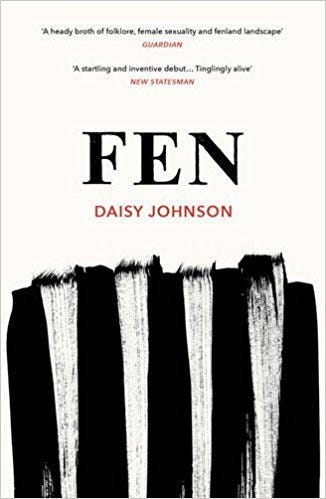
https://www.goodreads.com/book/show/31926472-fen

Fen’ (2016) is a collection of short-stories, which in some ways feel like a prequel to her debut novel, in it’s settings and themes — and also the cultural understanding which seems to indicate that an English fen is nothing if not a gestation pool of folklore that can also be drawn into a later, winding, tale about various people and their various stories.
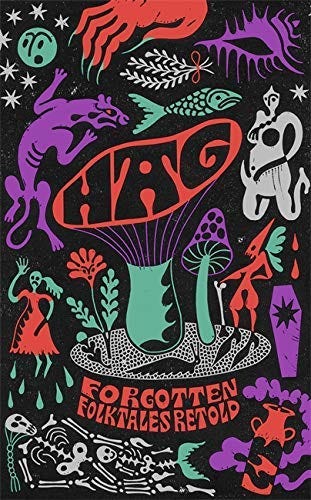
https://www.goodreads.com/book/show/49208239-hag

Hag: Forgotten Folktales Retold’ (2019) in which Professor Carolyn Lartington asked eight successful female writers to join with her in creating this collection of retelling.

Professor Larrington specialises in folklore and assigned each author a story to rewrite.

Daisy Johnson’s ‘A Retelling’ is decidedly metafictional, describing her own experience researching her assigned tale, ‘The Green Children of Woolpit’, before descending into actual, uncanny and wonderful retelling of the tale itself.

I can also recommend the audio book version of ‘Hag’, where everyone (including Carolyn Lartington) reads there own section(s) of the story collection. Quite a treat actually.
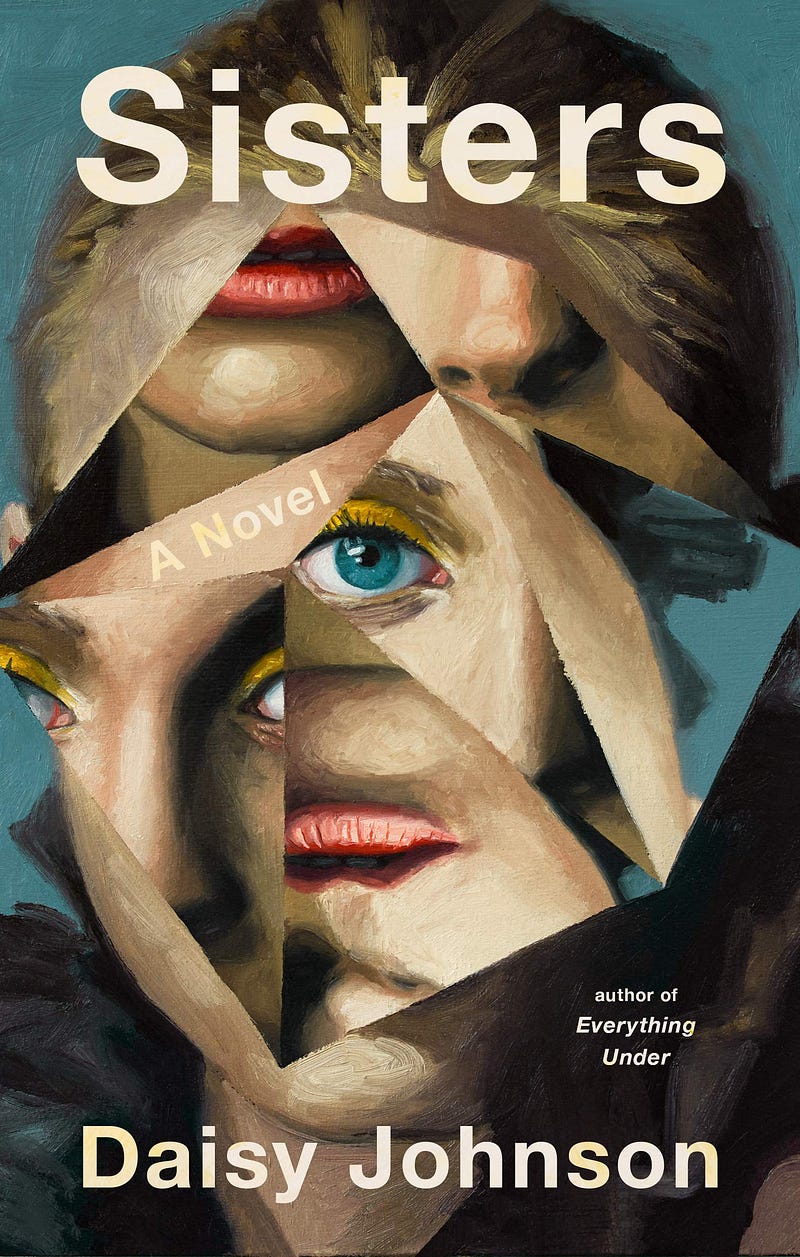
Sisters by Daisy Johnson | Goodreads

Sisters’ (2020) which I haven’t read, but which sounds just as intriguing as the rest of Daisy Johnson’s work:

“Born just ten months apart, July and September are thick as thieves, never needing anyone but each other. Now, following a case of school bullying, the teens have moved away with their single mother to a long-abandoned family home near the shore. In their new, isolated life, July finds that the deep bond she has always shared with September is shifting in ways she cannot entirely understand. A creeping sense of dread and unease descends inside the house. Meanwhile, outside, the sisters push boundaries of behavior — until a series of shocking encounters tests the limits of their shared experience, and forces shocking revelations about the girls’ past and future.

Sisters is a one-two punch of wild fury and heartache — a taut, powerful, and deeply moving account of sibling love and what happens when two sisters must face each other’s darkest impulses.”

Sisters by Daisy Johnson | Goodreads

Thank you for reading.

If you are interested in the Counter Arts Book Club Lists, please take a look at the links below:

This year (2023)

Last year (first year running)

The New List for the New Year (2024)!

Stay safe. Stay warm. Stay well. With love — Sadie

Literature
Book Club
Book Review
Books
Counter Arts
Recommended from ReadMedium