
PRODUCTIVITY
Everyday Poka-Yokes — 5 Foolproof Ways to Do the Right Thing
The virtue of constraints

While coming into contact with the Sirens on his way back home after the Troy Wars, Odysseus fell in love with their enchanting songs and was begging to plunge into the water and join them.
Fortunately, he was solidly attached to the mast of his ship. This was deliberate so that he does not fall into their trap, or else, he would have been eaten alive by these treacherous creatures.
This well-known episode of the Odyssey is a great illustration of the concept of poka-yoke, also known as idiot-proofing or pre-commitment device. The idea is to anticipate what you need to do in tricky situations and use specific strategies to ensure you don’t diverge from the plan.
In the same vein, you can use poka-yokes in your everyday life to prevent yourself from doing painful mistakes.
Here are 5 types of poka-yoke:
1) The fallen trunk technique

This one consists in putting a reminder across your path so you do the right thing. It’s like a fallen trunk in the middle of a road. You just can’t ignore it.
Here are 3 ones I use frequently:
- Putting the garbage bag at your door so you remember to dump it the next time you go outside.
- Putting the dirty clothes bag in your bedroom corridor so you remember to wash your clothes when you wake up.
- Leaving a note on your keyboard so you remember to do what is written on it.
2) Portions

Many times, we overconsume resources that we would have preferred to save, like: time, money, etc. How can you limit how much you consume those resources? Just use portions!
For example:
- Buying cell phone credit coupons to be more aware of the price you pay while you call friends.
- Time-boxing, that is: setting a timer while working on a task to save time.
- Eating on a small plate to help you lose weight.
3) Distraction blockers

Here’s another favorite of mine. While you work on a hard task, you will encounter difficulties along the way and get discouraged at times. If temptations are one click away, you can’t resist them.
Fortunately, some apps can help you block digital distractions:
- Freedom helps you block distracting apps and websites.
- Forest encourages you not to use any app on your mobile for a specified time lapse.
- Browsers like Brave have built-in ad-blockers that make you less likely to succumb to the lures of an intriguing ad.
Also, here’s another strategy I wrote about to avoid wasting too much time on YouTube: How to Avoid Getting Sucked into YouTube Recommended Videos
4) Check-lists
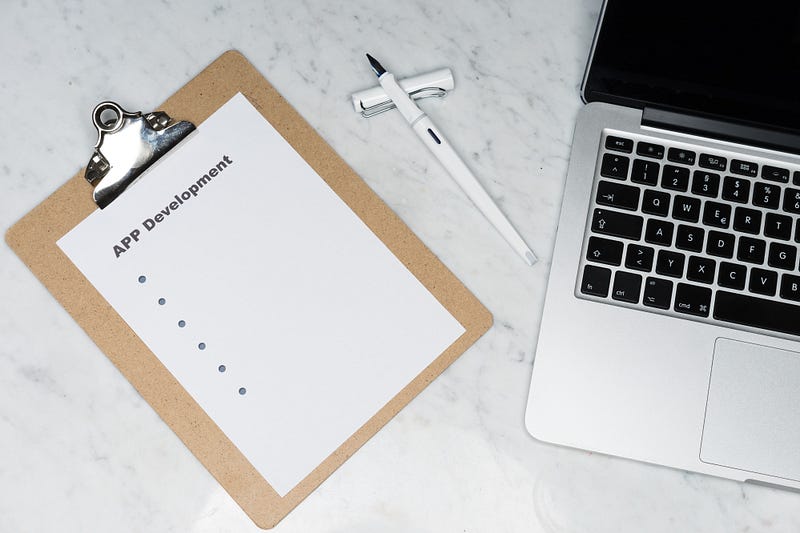
Checklists are a powerful way of making sure you do not forget to do the most crucial things. It can be a list of steps or simply a list of tasks to do in no particular order.
Here are some examples:
- Surgery check-lists, as popularized by the book The Checklist Manifesto
- In the same vein, I use a check-list for critical operations like deploying an application for my clients (I’m a software engineer)
- I also use a check-list for my kickstart workday routine
5) Templates
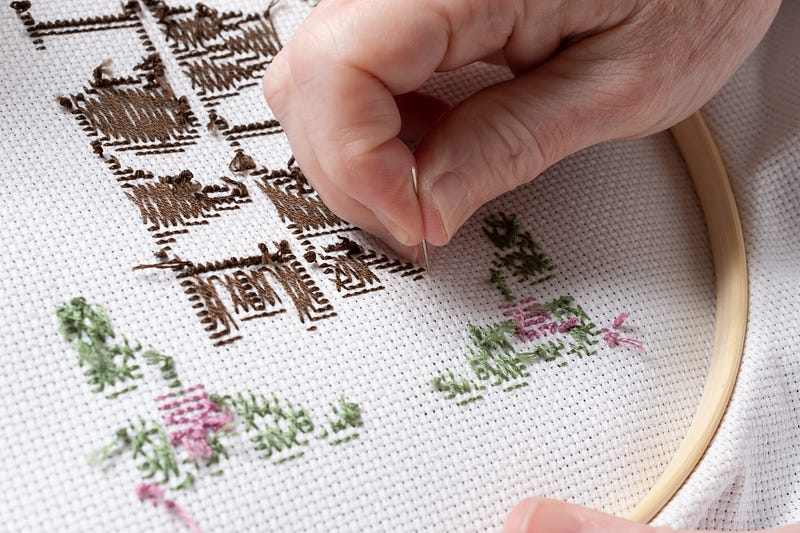
Templates guide you to do something in the same way over and over again. And it helps to keep consistency in your work.
For example:
- I have a template for my daily personal journal entry
- I use a page template for my Daily Done productivity method.
- I also use templates when I write my articles on Medium
—
If you are a daydreamer and often forget things like me, Poka-Yokes will save you from lots of trouble. To produce quality work, you need to be consistent in what you do. That’s what Poka-Yokes are here for.
I hope you got inspired by these 5 types of Poka-Yoke. Of course, there are many other ones.
Let’s play a game: can you tell us in the comments what kind of everyday Poka-Yokes you like to use?
On February 1st, 2022, I’ve embarked on a 100 days writing challenge. This is post number 66.


.jpg)