
Every Black Person Has a Story
Are we willing to listen “this” time?
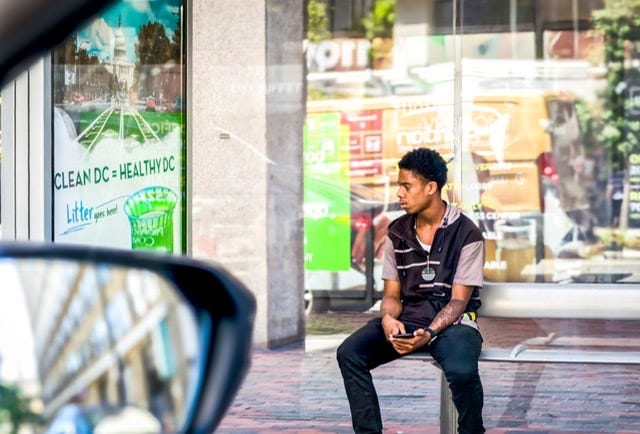
If you are shocked or in disbelief by the events that occurred in Minneapolis this past week, then my apologies for the discomfort you are experiencing for having your oblivious white privilege bubble burst. I already know that some will stop at that point to argue that this invisible force doesn’t exist and is some made-up conspiracy used by minorities to blame white people for their problems. If you are going to take issue with that, then you are too defensive to understand the point of this post in the first place, and you would be useless in any sort of constructive social dialogue.
However, if you are so inclined to accept that dominance hierarchies exist in all societies, you may be able to see how racism is playing out in our country, particularly within the law enforcement and legal system. Furthermore, by recognizing these structures, you can then resign to the fact that you exist somewhere on that structure and if you happen to be white, by default, you are in a place of privilege allowing you to act like what the news is showing you is some sort of isolated instance.
This is our society’s problem, and the gist of our problem can not be understood in a vacuum. Although one story is powerful and holds value, we are quick to dismiss and dis-relate to it for various reasons and justifications. At best, we are throwing sentiments around on social media. However, we must not fail to recognize that the problem is not best understood by the extremes of what is happening on the left and right of the bell curve. The significant threat is not the neo-nazi, alt-right types; rather, the danger is the complacency taking place in everyday average America. The reality is that what is happening every day to the “average” black person is “not” happening every day to the “average” white person. This is a big deal because, in our attempts to dismiss these extreme “tip of the iceberg” stories, we also deny what they represent and the grander narrative that they are a part of.
These “major” news stories that happen in various parts of the country are a part of a vast and historic web of individual stories that never get heard. We act like when we put one story to rest somehow, the issue has been addressed. Dynamically it is time to wake up to the theme of the story that exists every day in many people’s lives. As voices cry out, complain, beg for justice, and act out to draw our attention, we treat them like individuals who can easily be snuffed out and dismissed. But what I have learned is that the story of the individual black person exists in a thematic web of injustice and never stands alone as an isolated incident.
What white people need to wake up to is that the story of George Floyd and even Christian Cooper happen daily in the lives of every single black person I know. I have gathered and heard enough individual stories over the years of police harassment, store owner harassment, brutality, insinuations, and other types of accounts to connect the dots and see the prevalence of the dynamic system playing out.
My shock lies at the point of social dialogue, where people sound off and voice their concerns. When the conversation becomes about taking responsibility for how we act within the system, defenses go up, and we stop listening. There isn’t a black person I know that wouldn’t love to take and run with your “Individual responsibility, pull yourself up by your bootstrap” narrative. When they try, though, they run into something, and when they point it out, we dismiss it.
The only difference between the majority of the stories and the ones that catch the news is that someone tends to die in the news stories. In contrast, the everyday stories you never hear “only” involve power, fear, and end in humiliation. Had George Floyd not died, no one would have paid attention to the roughing up that he would have received. He would have been thrown through the system and statistically accounted for. His voice is going to be loud in his death, but he is not crying out for justice for himself. Instead, he is crying out for justice for all. His individual story is reflecting the collective narrative for black people, and it’s time we stopped interrupting the story and listened all the way through.
If you have read this far, thank you! I would love to hear your feedback, have a discussion, or debate these concepts. Let’s connect at, PsychologyToday, Facebook, LinkedIn, Twitter or shoot me an email at [email protected].


