
Ever had a meltdown at the gym?
I just did, and this is what I learned.
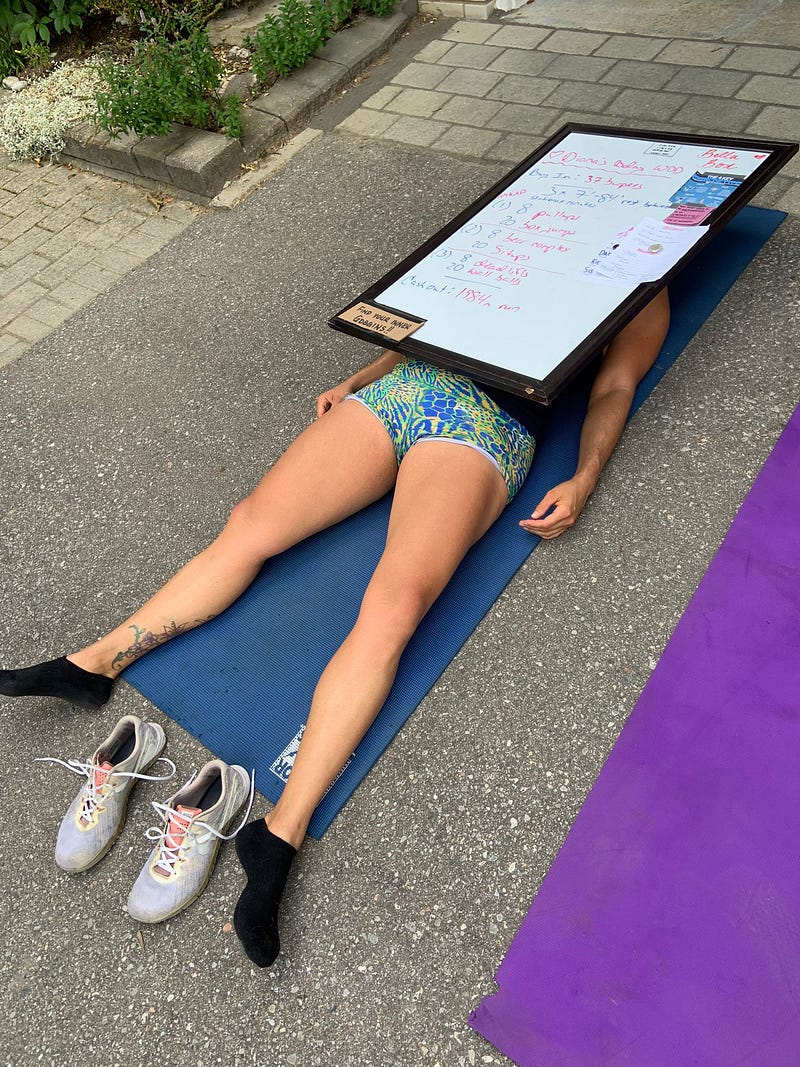
I stood there in front of the barbell, having failed a max effort rep with a weight I used to use as a light warm up. My face got hot. The tears welled up in me.
No, Diana, it’s just a lift, just try again. I thought to myself.
Fail.
I burst into tears.
What’s wrong? My inner voice asked.
I can’t believe this is happening. I feel so gross in my body. I can’t lift even close to what I used to. I’m too tired to do anything and I feel like my body is failing me. I’m terrified of getting injured again, and all of my scars hurt today.
As my workout timer ticked onwards, cueing me for the next set that I was clearly not going to do, I slumped over my chair and sobbed hysterically.
Ok, it’s ok. I said to myself.
I let it out.
It was a good five minutes of self pity before I wiped my tears. I straightened my ponytail and got back to work. If I couldn’t lift what I mentally wanted to, I would at least do the reps at a lighter weight to get the workout board cleared.
I managed to finish without any more tears. I have some thoughts on the session because I feel like many people have been in my shoes but haven’t had someone to acknowledge them. I also must note that I have a gym in my parent’s garage. I work out mostly solo, so there’s no one around to witness my breakdowns (there have been a few). In the times where I was doing fitness in a public setting, I also shed some tears but I was afraid of the stigma or public opinion, so I kept my emotions to a “mild” level.
If you glean nothing from this confession, please know that it’s ok to cry at the gym. Just make sure to wipe your tears off the bench.
Compassion
The first thing I thought of during my fit was how important it is to have a little compassion for yourself. I was actually surprised at what my default dialogue said to me:
You’re OK, you’re safe, today is only one day. Look at what you’ve been through this year (three back injuries, a broken arm, sprained ankle and plantar fasciitis). It’s only been 5 months since your cast came off, give yourself a break. Remember the other day how much you did and how proud you were? That isn’t erased by today’s session. You’re not 20 anymore, stop berating yourself for taking longer than you want to heal.
I’ve been working hard to stop the evil smack talker who lives in my brain. It was reassuring when I noticed I had some niceties at the forefront of my subconscious.
When you’re in the throes of upset, if you can, try to zoom out. There are good things in your life! Try and name a few. Just because today isn’t going as you hoped, there have been victories recently. What are some of them? You aren’t defined by this one gym day. When have you been proud of yourself?
If you can find some self compassion, you might feel happier sooner.
Cold plunge
As I was driving home, I could feel my stress levels still nearing uncontrollable. I felt very volatile and edgy. I knew I had to dive into some emergency self care.
I dropped my stuff in my living room as soon as I got back to my apartment, put on my bathing suit l, and went to the lake.
I’m a huge believer in cold therapy. There are so many benefits, and I reap them all. Lake Ontario is 54°F at the moment. An ideal temperature for plunging.
The cold shocked me into an immediate release. I screamed, cried, and shook. The waves were crashing noisily onto the breakers so I wasn’t worried about passersby thinking I was in trouble.
I stayed in for 2 minutes. Sometimes I stay longer, but my body felt complete after a shorter time. I usually just wait until my body feels still and then I get out.
I felt immediately better: calm, steady. Some think that shivering releases trauma. I’ve been accumulating a good amount from various sources, so who am I to argue it doesn’t work if I feel better afterwards (being in a 10°C lake tends to make your teeth and body chatter).
Other forms of emergency care
If you don’t have access to frigid water, there are other forms of self care that you could consider trying (because crying at the gym is a bit of an emotional red flag to help you see there’s something bigger going on inside you).
- How has your sleep been?
- What about nutrition?
- Stress at work or home getting to you?
- Are you spread thin?
- What are your cravings like?
- When was your last rest day or day off?
- Are you headed for burnout?
There are 7 pillars of self care to choose from. I invite you to listen to what your body is asking for the most.
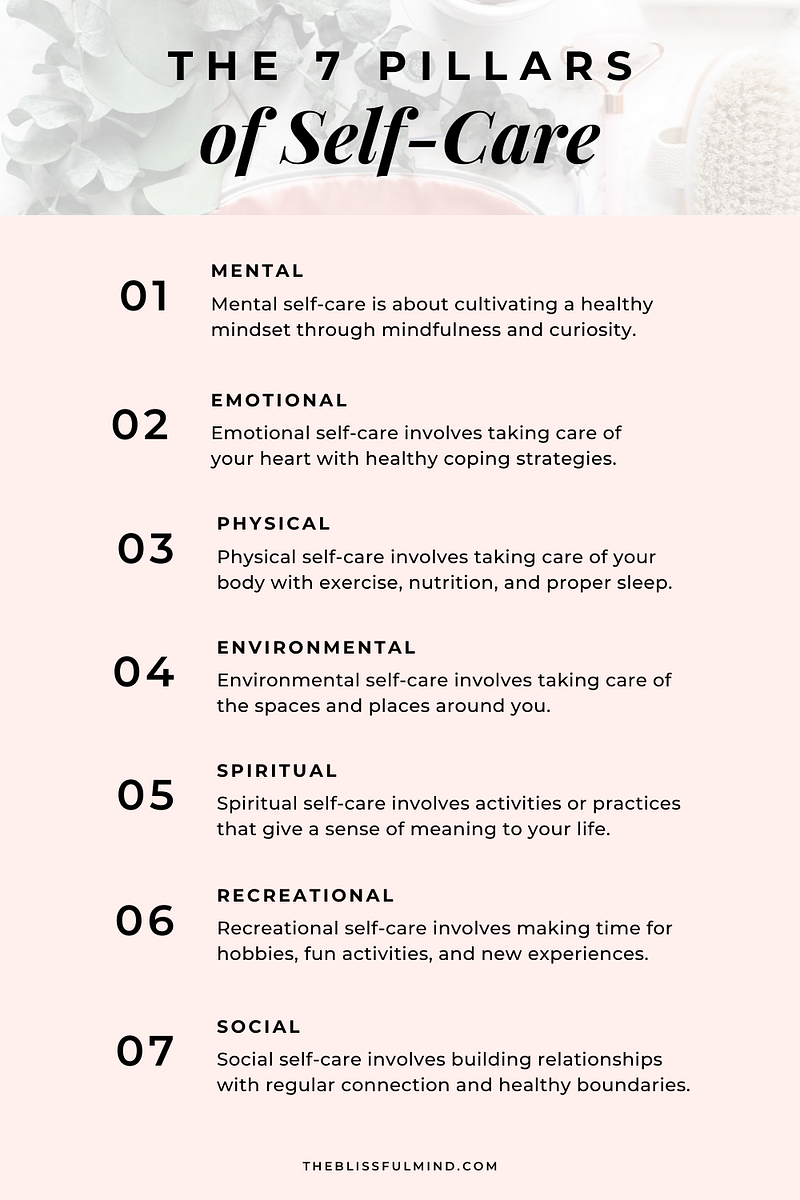
- Read through some positive mantras, pick up a book that you enjoy, listen to motivational podcasts, hop on YouTube to watch some inspiring videos.
- Journal. Meditate. Burn sage and smudge.
- Make a nutritious dinner. Go for a gentle walk. Go to bed early.
- Tidy up your space. Make a to-do list so your mind feels more organized. Purge some stuff you don’t need. Clean.
- Connect with a like-minded friend. Draw some tarot cards and reflect on the message. Burn some incense and do some somatic shaking.
- Do something that brings you joy, even if it’s sitting at a puzzle, or colouring.
- Give. You can’t be anxious and grateful at the same time. Send a friend a thoughtful text message, or ask a friend to hype you up to boost your spirits.
TLDR
It’s ok to have a bad day. Sometimes you need to just let out all the emotional junk so you can carry on with your day.
Other times, unwarranted meltdowns can be signs of something more urgent like a looming burnout.
Try to remember to be gentle with yourself. Self care is a very important part of recovery, and even more imperative if you have a high cortisol life.
Sending you the biggest hug.


