
Evacuations, It could happen to You?
Are You Ready? 12 Documents You’ll Need in an Emergency
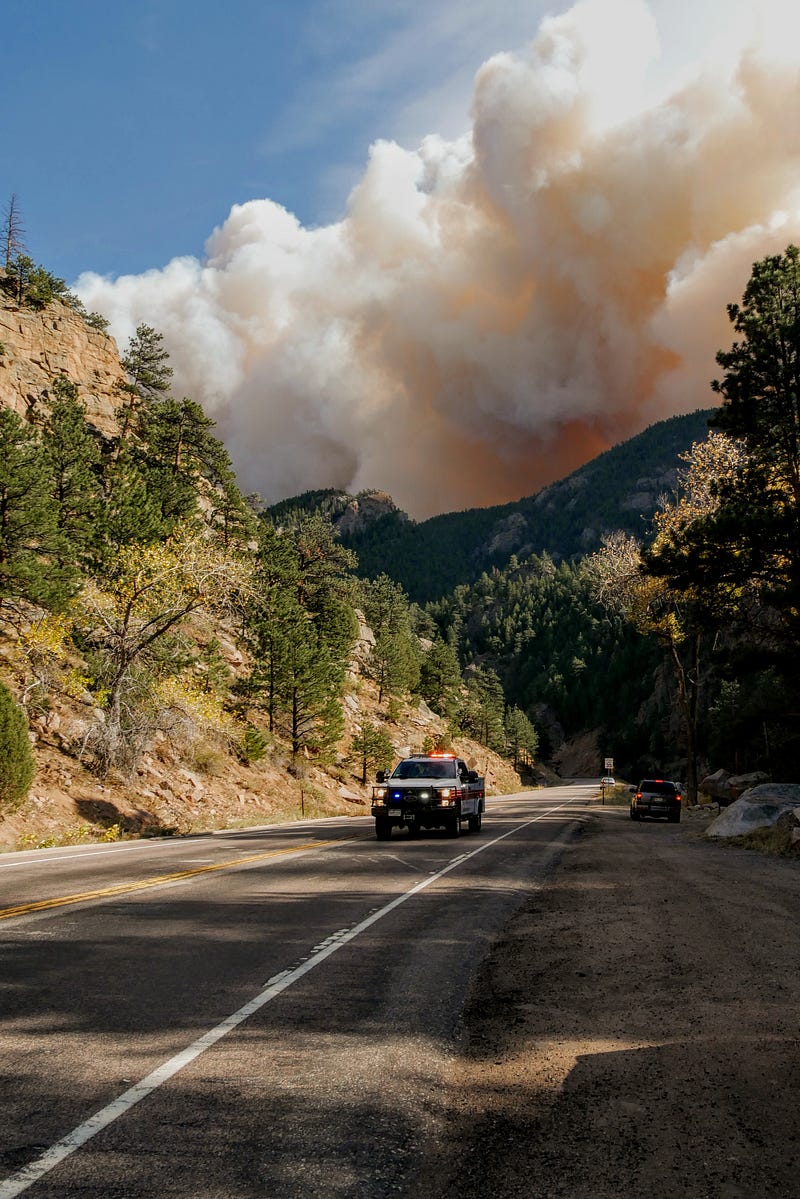
Seasonal Fires
Hurricanes
Tornadoes
Storms
Would you be ready if you got the “Go now” notice?
2020–2021 was a time of chaos and upheaval in my state. The worldwide pandemic lockdown kicked off the turmoil. Who could have expected that was just the beginning of an extraordinarily messy three years… and counting?
Spring of 2020 kicked off a slightly apocalyptic year, starting with an almost worldwide lockdown, because of the Covid virus.
In my home state, that was followed by: Summer fires that caused widespread evacuations.
Then winter, not to be outdone by the pandemic or fires, brings in record-breaking winter weather causing widespread power outages, and home damage.
We survived winter, and then spring hit, which was one of the driest on record, causing drought conditions before summer even officially arrived.
This brings me to summer. June in my home state, the average temp for June is 65–80F. With an average of about 72. We may have an occasional 90–100-degree day here or there, but they are rare.
So rare, in fact, that AC is not standard in most housing.
But instead of 72, it was in the 90s consistently, then 105, then 111, then 117. Breaking the all-time temperature record for the state. And down went the power… again.
And now we are back to summer fires. Early drought, and extra dry conditions, in a state that normally rains until the fourth of July. Which is when summer officially starts in my state. Summer was a nightmare of hellish temperatures.
Now fast forward a bit…
We are now in 2023, and things have not gotten better. Hurricanes, tornados, extreme winter storms, wildfires, and more recently, and toxic train derailment… all requiring evacuations for many people.
What if that was you?
Would you be ready if you got the “Go now” notice?
The one thing that many of the fire victims and winter storm damage victims had in common is that they did not know how to get copies of important documents. Which had to be replaced because they could not locate them in a timely manner when they had to evacuate. But unfortunately, the phone numbers that were needed to replace the documents were on the very documents themselves.
This is why it is important to create and keep an up-to-date critical document folder. I, personally, use a fireproof safe about the size of a large briefcase. Which is easy to grab should the need arise.
Whatever you use, it should be sturdy, waterproof, portable, and secure.
It should also be able to store your paperwork, extra house/car keys, flash drives, external hard drives, etc. Anything important.
But what’s important in an emergency?
What do you grab when you only have minutes?
And what should you put in a critical paperwork file?
1) Personal paperwork: Birth certificates, marriage/divorce decrees, social security cards, professional licensure(s), degrees, passports, weapons permit, immigration records, and or military documents.
2) Medical information: Wills, advanced directives, living wills, medical insurance information. Medical lists for everyone in the household include pharmacy information and any medicinal allergies. As well as copies of insurance cards, both front and back. And copies of all medical records that you have on hand. If anyone in the household has major health issues, a list of those should be noted.
3) Any and all Insurance Policies: copies of your insurance policies for home, auto, life, and medical. And any other insurances that you make have and need information for. As well as their contact information, policy numbers, and insurance agent information.
4) All paperwork pertaining to your home/car: insurance, deeds, titles, loan information, etc. Including contact information and account numbers.
5) Legal Documents: Adoption, marriage, custody, trusts, wills, power of attorney paperwork, rent/lease agreements, and attorney information.
6) Financial information: bank account numbers/passwords, credit card information and phone numbers, stocks, retirement, and or pension information. Contact/cancellation information for all credit cards, in case they get lost or taken.
7) Important contact information, in case something happens to your cell phone: Important numbers for family, friends, day-cares, schools, work/boss, utility companies, banks, doctors, insurance companies, and just about anyone you may need to contact in an emergency. Write the number down. Your cell phone or internet access may not be available.
8) Pet information: vaccine records and vet contact information
9) Extra keys to your home and vehicles.
10) Up-to-date Password list
11) Digital copies of important photos (not necessary, but in the case of fires, important to prevent the loss of irreplaceable keepsakes)
12) And last but not least. Make an insurance video. Walk through every room in your home and video everything. That way, if you tell the insurance company that you have five TVS, they can refer to said video and see that you actually do, and aren’t trying to scam them for more than you lost.
We can all hope that we will go through all our adult life, never having to deal with the stress of an emergency evacuation. But on the off chance that we do, much of that stress can be alleviated by being prepared. By having those documents ready to go, in an easy-to-access location.
So that if the unthinkable happens, you are ready. Because often, in an emergency, our brain frazzles a bit. You may not remember all the important paperwork that you need or its location in a time of extreme stress. Which is why creating a critical document file is so important. Having all the right information in one location, ready to grab and go.
A relatively small amount of time and effort now can save you immense stress later.
Rowen is a mother, Wife, Domestic Violence Victims Advocate, community volunteer, and nature lover. Most of her time is spent with her family or volunteering in her community. Rowen has a degree in Psychology, with a concentration in Family Counseling and Minoring in criminal justice. Writing has been her passion since high school, and she enjoys using it to help others.