
European Union: is it about to change?
The new resolution voted by the European Parliament
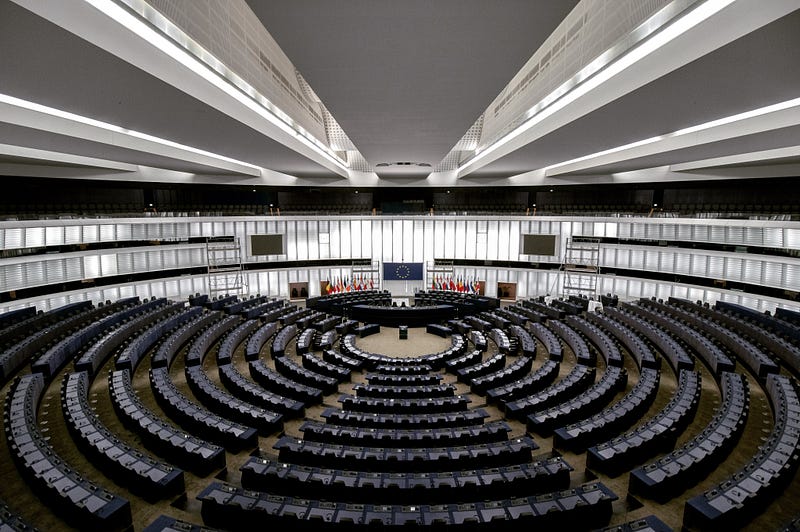
As the Italian Prime Minister Mario Draghi said at the European Parliament in Strasbourg yesterday, May 3, 2022, the Union needs changes in order to turn into an even more courageous, ambitious and efficient project.
The former banker, third president of the European Central Bank until October 2019, affirmed indeed that there is a need for “pragmatic federalism”. The EU must become a “space that is not only economic, but also for the defense of human rights and dignity”. In order to achieve these objectives, it is therefore necessary to consider that “if this requires the beginning of a process aimed at revising the Treaties, this must be embraced with spirit and trust”.
This morning an important decision was thus taken by the European Parliament, in the wake of this desire for change. The MEPs have in fact approved the resolution that initiates the process provided for by Article 48, which governs the control over the fundamental rules of the Union, to ask the Member States to establish a Convention for the revision of the EU treaties.
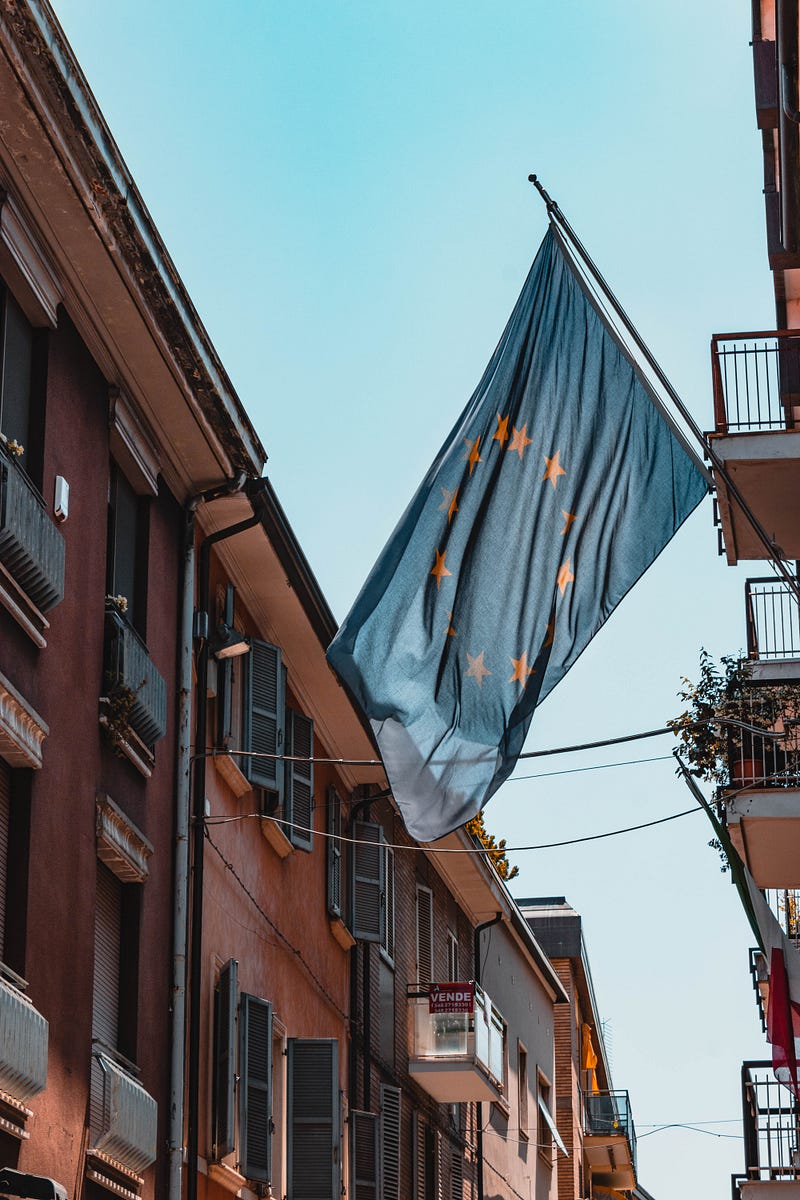
It is indeed important to remember that the last fundamental agreement was the Treaty of Lisbon, which now dates back to fourteen years ago. This period seems very short, but in a few years the international arrangements have changed several times, as well as the social or economic realities. The needs of citizens are now different, so Europe cannot lag behind, binding itself to a legislature that is nowadays inadequate to face the new challenges, such as the issue of immigration.
The reforms will be therefore based on the proposals and requests of the European citizens themselves, which emerged during the Conference on the future of Europe. If the Convention is established, the leaders of the Twenty-seven and those of the Brussels institutions will have to work closely, on several points, in order to guarantee the Union an ever more stable future. Italy, France and Germany have already begun to consider this path.
14 countries are enough for the Convention to begin its task. Rome, Paris and Berlin have then already considered bringing the request to the examination of the European Council, although certainly not in May or June, when the latter will be most involved in resolving the conflict in Ukraine. The majority is necessary, but not unanimity at this stage of the process. In this way, the opposition of some nations, such as the Scandinavian ones or Poland, could be overcome.
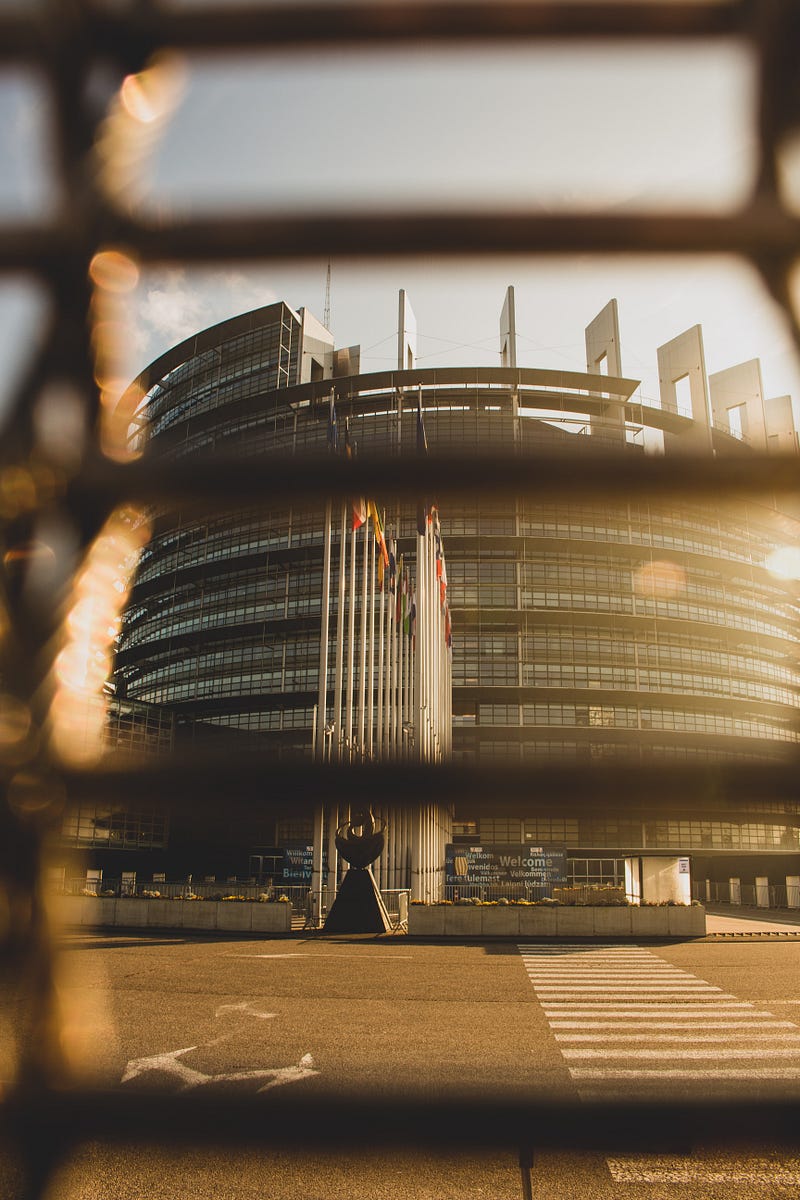
More power to the Eurocamera
In the text of the resolution, two aspects are highlighted most by MEPs. They require substantial changes, which will surely have an impact on the functioning of the European institutions.
The first element concerns the possibility of giving more power to the Eurochamber, as it is directly elected by the citizens and a true expression of the European popular will. In this context, the Chamber would acquire the right of legislative initiative, being able to propose and have proposals discussed without waiting for them to necessarily arrive from the Commission.
Unanimity
The second very important aspect to give a new impetus to Europe is the elimination of unanimity for the decisions of the European Council. This is made up of the heads of state and government of all member states.
In recent years, however, the Union has reached the number of 27 Member States, a quota that imposes difficulties in making shared decisions quickly and efficiently, especially if the Twenty-seven are forced to face emergencies, such as the Next Generation EU in full pandemic
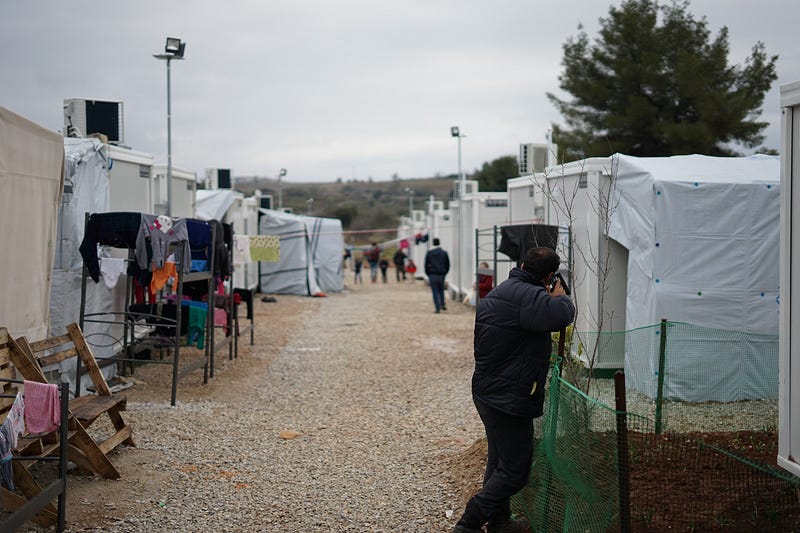
A relevant example is the revision of the Dublin Agreements. Due to the veto power of some nations, a solution to the migration crisis has not yet been found, despite the fact that more than five years have passed since its outbreak in the Mediterranean or on the Balkan route. This is bringing more and more difficulties to countries of first landing for migrants, such as Italy.
Stability pact
Finally, some rules on national budgets should be revised. The rules of the Stability Pact on debt and deficit are no longer sustainable.
This, due to the pandemic, has already been suspended and this decision will also be extended to next year due to the economic crises that the countries are experiencing, following the war in Ukraine or the rise in the prices of energy sources.
However, the idea of returning to such impositions in 2024 does not convince all states, as many are now launching towards a progressive debt sharing, as done for NextGenerationEU. Some nations obviously oppose it, namely the “hawks” like Holland.
Sources I was inspired by to write this article:
- Ue, intesa Roma-Parigi-Berlino: “Un nuovo Patto di stabilità basta coi veti dei piccoli”, published by La Repubblica
- L’intesa tra Roma, Parigi e Berlino per riformare i trattati europei, published by Linkiesta
- Ue, il Parlamento chiede di avviare l’iter per la revisione dei Trattati, published by Il Fatto Quotidiano
I am an Italian student who tries every day to improve her English. I really like writing and studying in this language, also to be able to reach more people. However, I still often run into mistakes. So, if while reading my article you have found some, do not hesitate to contact me, either through a comment or a private note!