
Europe is a member of NATO. Can it count on the US to protect it?
The conflict in Ukraine has entered its third year, and Russian President Vladimir Putin has repeatedly raised the threat of using nuclear weapons. If Europe were to defend itself against such an attack, it would depend largely on the United States. However, is the US assurance that it will defend Europe as part of the NATO alliance reliable?
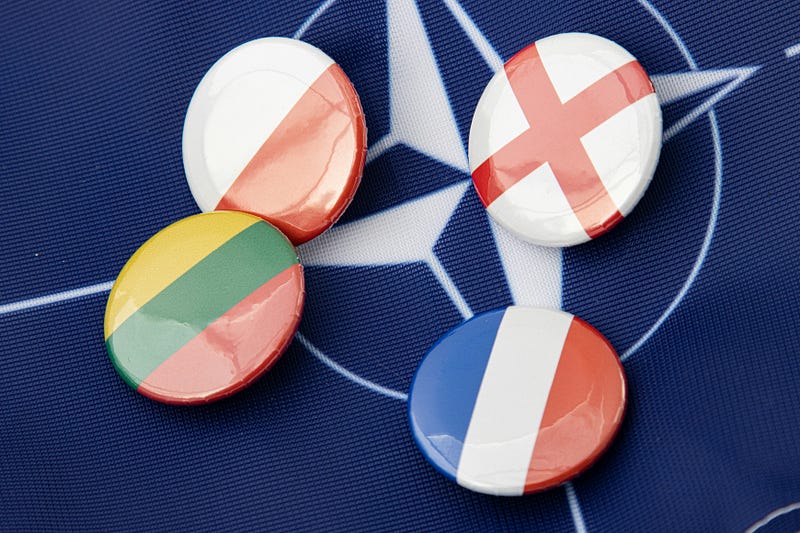
Former US president Donald Trump, who is currently campaigning ahead of elections in November, recently threatened that he would not unequivocally support Europe if he were to become president again. Therefore, can Europe still rely on the nuclear umbrella provided by the United States, or should it consider a new way of organizing its nuclear deterrence?
Heather Williams, Director of the Project on Nuclear Issues at the Center for Strategic and International Studies in Washington, provides insight into this matter. The “nuclear umbrella” refers to all members of NATO as Article 5 states that an attack on one member is considered an attack on all members, including the potential use of nuclear weapons if necessary. Furthermore, Williams believes that having a united European alliance with nuclear weapons helps keep peace since WWII; however, she stresses how important allies are to America’s center of gravity both militarily and diplomatically.
Regarding whether or not troops or nuclear weapons could be withdrawn from Europe under another Trump presidency: while conceiving this possibility may be concerning for some due to his recent provocative statements regarding requiring payment from European countries for defense spending purposes, others believe these concerns may be premature, especially given the Biden Administration’s likelihood.
Williams also discusses France and the UK’s capabilities, but notes they’re too small alone without relying heavily on the U.S.’s Arsenal, which deters many threats, including China’s rise as a new peer power. As far as Germany goes with their reluctance towards discussing increased weaponry: there is strong anti-nuclear sentiment within Germany, making matters complicated, even though some politicians have suggested revisiting ideas about Euro deterrents because they recognize value during times when crises arise. Lastly, Williams touches upon Russia potentially deploying nuclear capabilities in space, which could violate the 1967 outer space treaty, weakening the international regime and further causing concern over what Russia could gain from doing so besides signaling purposes casting shadows over conflicts like those found in Ukraine since beginning years ago up until now where we find ourselves today.


