
Next-Gen AI Tools: Shaping the Future of Creativity and Coding
EU ’s AI Act. Open Source AI Models: The Unseen Revolution in Generative AI
As the EU seeks to regulate AI, open source models are transforming the landscape of generative technology from the ground up.
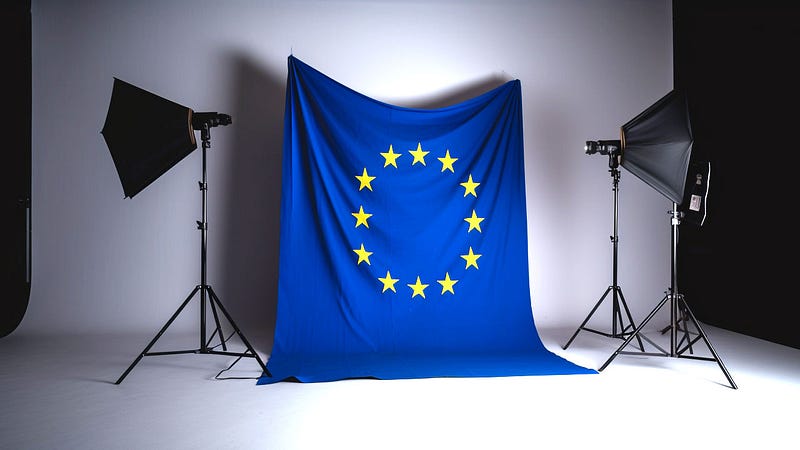
The Regulatory Battlefield: EU’s AI Act Takes Shape
As the European Union moves forward with its AI Act, seeking to regulate the emerging artificial intelligence landscape, companies like OpenAI and Microsoft are faced with new challenges. Amid the intense discussions surrounding copyrighted material usage and risk classification, there is an important question left unanswered:
🟠 What about open source models that can be used locally on personal computers?
The EU pioneered AI regulation
Nearly two years ago, the European Commission started writing the AI Act to control new artificial intelligence technology. After OpenAI’s AI-powered robot ChatGPT came out, there was a big increase in funding and interest in the field. Members of the European Parliament agreed to move the bill to the next stage, called the “trilogue,” where EU lawmakers and member states will work out the bill’s final details. Under the plans, AI tools will be put into four groups based on how dangerous they are thought to be:
minimum, limited, high, unacceptable.
Concerns could include biometric monitoring, sharing false information, or using language that makes people feel bad about themselves.
The Power of Open Source: Democratizing AI Development
Open source AI models have the potential to revolutionize the AI landscape. They empower data scientists, engineers, and even hobbyists to create and experiment with AI technologies. By being accessible to all, they foster innovation and help create a diverse ecosystem of AI applications that can be used across various industries.
As the EU focuses on regulating AI technologies, it’s essential to consider the potential impact that open source models have on the development and deployment of AI systems. These models allow for flexibility, adaptability, and collaboration, leading to more efficient and powerful AI applications.
Local AI Applications: Privacy and Control in the Hands of the Users
Using open source AI models locally on personal computers has the potential to address some of the concerns raised by the EU’s AI Act. With local deployment, users can have more control over their data, leading to increased privacy and security. Additionally, local applications can be tailored to users’ specific needs, ensuring that AI technologies work for the individual, rather than against them.
Stay Ahead of the AI Revolution with MLearning.ai
As the AI landscape continues to evolve, it’s crucial for data scientists and engineers to stay informed about the latest developments in open source models and generative technologies. Subscribe to MLearning.ai to stay up-to-date with the latest news, insights, and trends in the world of AI art, and be part of the revolution that’s reshaping the future of technology.
The AI Act refers to the proposed European law, officially known as the “Proposal for a Regulation laying down harmonized rules on artificial intelligence (AI Act)” that will be the first law regulating Artificial Intelligence (AI) by a major regulatory body anywhere . The act will apply to all industries and will establish safety and liability conditions for AI products released in the EU market. The act is still in its proposal stage and requires the approval of the European Parliament and the Council of the European Union before becoming law.
A CALL TO PROTECT OPEN-SOURCE AI IN EUROPE
An Open Letter to the European Parliament: Protecting Open-Source AI for a Safe, Secure, and Sovereign Digital Future
- LAION and prominent institutions send open letter to European Parliament
- Express concerns about draft AI Act’s impact on open-source AI R&D
- Importance of open-source AI: safety through transparency, competition, security
- Concerns with draft AI Act: may entrench proprietary gatekeepers, limit academic freedom, reduce competition
- Recommendations: ensure open-source R&D compliance, impose proportional risk requirements, establish public research facilities for compute resources
- Goal: foster legislative environment that supports open-source R&D, promote safety, drive innovation, and develop sovereign AI capability in Europe
Join us on a journey of discovery and explore the limitless potential of Creative Machine Learning today!
Data Scientists must think like an artist when finding a solution when creating a piece of code. Artists enjoy working on interesting problems, even if there is no obvious answer.
All our writers (members) receive the opportunity to be promoted on our social media, which increases the popularity of articles published on MLearning.ai
- Linkedin (54K+ ML-professionals)
- Twitter (5.5K+ followers)
- Instagram (2.4K + followers )
- Sketchfab * — individual vRooML!
- Youtube
- Apple Podcasts
- Substack


