
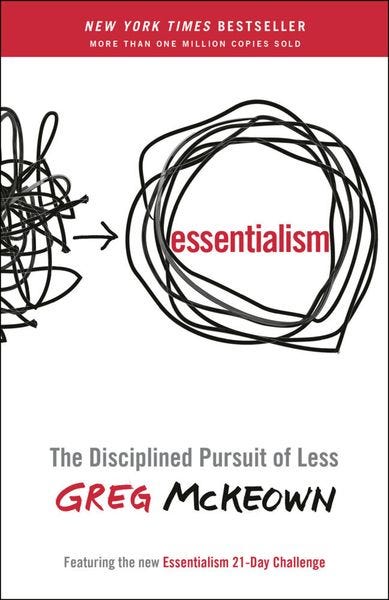
Essentialism: The Disciplined Pursuit of Less
Author: Greg McKeown
Introduction:
“Essentialism: The Disciplined Pursuit of Less” by Greg McKeown is a thought-provoking book that offers a fresh perspective on how to achieve success and fulfillment in today’s fast-paced and overcommitted world. McKeown introduces the concept of Essentialism, a disciplined and focused approach to life that involves prioritizing the most important tasks and eliminating distractions, clutter, and non-essential activities. In this comprehensive summary, we will delve deeper into the key concepts, strategies, and techniques presented in McKeown’s insightful book, providing valuable insights for those seeking to embrace Essentialism and create a more meaningful, productive, and balanced life.
Summary:

The Essence of Essentialism:
Essentialism is a philosophy and way of life that revolves around focusing on the most important and meaningful tasks, activities, and commitments while eliminating distractions, clutter, and non-essential items. By adopting an Essentialist mindset, individuals can regain control of their lives, improve their productivity, and achieve greater satisfaction and fulfillment in both their personal and professional lives. McKeown emphasizes that Essentialism is not about doing more with less, but rather about doing less and focusing on what truly matters.
The Paradox of Choice:

In today’s fast-paced world, we are constantly bombarded with choices, opportunities, and commitments. While this abundance of options may seem empowering, it can actually lead to stress, overwhelm, and decision fatigue. Essentialism offers a solution to this paradox of choice by encouraging individuals to carefully evaluate their options and prioritize only the most important and meaningful activities. McKeown argues that by adopting an Essentialist mindset, we can become more effective decision-makers and avoid the pitfalls of decision paralysis and burnout.
The Importance of Prioritization:

A core principle of Essentialism is the importance of prioritization. To practice Essentialism effectively, individuals must learn to distinguish between the truly important tasks and activities and those that are non-essential or distracting. McKeown recommends using the 90% Rule, which involves evaluating each potential commitment or activity on a scale of 0–100, and only saying “yes” to those that score 90 or higher. By prioritizing our tasks and commitments, we can ensure that our time and energy are invested in the most meaningful and impactful activities, leading to greater productivity and satisfaction.
The Power of Saying “No”:

One of the most challenging aspects of Essentialism is learning to say “no” to non-essential commitments, opportunities, and distractions. By becoming more selective and protective of their time and energy, individuals can create space for deep work, focused effort, and meaningful experiences. McKeown emphasizes that saying “no” is not about being rude or uncooperative, but rather about being intentional and purposeful in our choices and commitments. He offers several strategies for saying “no” gracefully and effectively, such as offering alternatives, suggesting a later date, or simply being honest about your priorities and limitations.
The Role of Routine:
Essentialism emphasizes the importance of establishing routines and habits that support focused work, personal growth, and a balanced life. By developing routines around key priorities, such as exercise, sleep, and family time, individuals can create a stable foundation for their Essentialist lifestyle. McKeown suggests that routines not only help us manage our time and energy more effectively but also provide a sense of stability, predictability, and control in an otherwise chaotic world.
The Value of Clarity and Focus:

In order to practice Essentialism effectively, individuals must cultivate a clear sense of their goals, values, and priorities. By maintaining a sharp focus on what truly matters, Essentialists can more easily identify and eliminate distractions, non-essential tasks, and time-wasting activities. McKeown emphasizes the importance of reflection and self-awareness in achieving clarity and focus, suggesting that individuals regularly take time to assess their priorities, review their progress, and adjust their plans as needed.
The Benefits of Essentialism:
By embracing Essentialism and implementing its principles, individuals can experience a wide range of benefits, including increased productivity, improved work-life balance, reduced stress, and greater satisfaction and fulfillment in their personal and professional lives. By focusing on the essential tasks and activities that align with our values and goals, we can create a more meaningful, purposeful, and enjoyable life.
Essentialism in Action:
Throughout the book, McKeown offers numerous examples and case studies of individuals and organizations that have successfully implemented Essentialism in their lives and workplaces. These examples provide valuable insights and inspiration for readers seeking to apply Essentialism principles in their own lives. Some key examples include successful entrepreneurs who have learned to prioritize their most important tasks, companies that have streamlined their operations by focusing on their core competencies, and individuals who have found greater work-life balance by eliminating non-essential commitments and distractions.
The Journey Towards Essentialism:

McKeown acknowledges that adopting an Essentialist mindset and lifestyle is not an overnight process, but rather a gradual journey of self-discovery, reflection, and experimentation. He encourages readers to be patient with themselves as they explore Essentialism and develop their own unique approach to prioritizing, focusing, and simplifying their lives. By committing to the principles of Essentialism and continually refining their practices and habits, individuals can create lasting change and achieve greater success and fulfillment in all areas of their lives.
Conclusion:
In “Essentialism: The Disciplined Pursuit of Less,” Greg McKeown presents a compelling and powerful approach to productivity, personal growth, and lifestyle design. By prioritizing the most important tasks, eliminating distractions, and cultivating a disciplined focus on what truly matters, individuals can create a more meaningful, productive, and balanced life. With its actionable strategies, practical techniques, and thought-provoking insights, “Essentialism” serves as a valuable guide for those seeking to transform their lives and achieve lasting success in a world of overwhelming choice and commitment.


