Summary
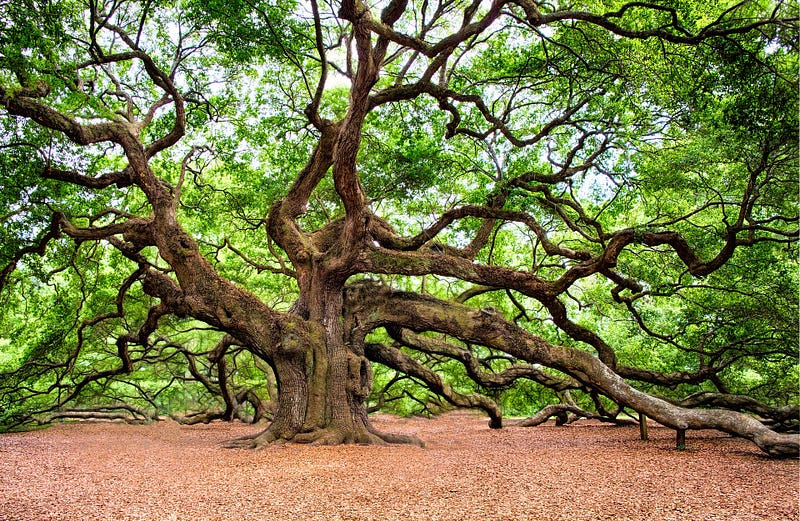
The poem "Erased" by Gale Davis reflects on the life and impending destruction of an old, weathered tree, which serves as a symbol for enduring nature and history being erased by modern development.
Abstract
"Erased" is a poignant piece that personifies an old tree, describing its gnarled form and the marks of time and human interaction etched upon it. The tree, once vibrant and useful, is now seen as an obstacle and marked for removal to make way for progress. Through the tree's perspective, Davis explores themes of nature's resilience, the loss of historical and sentimental value, and the indifference of modern society to such losses. The poem also touches on the tree's role as a living monument to past love stories, immortalizing the initials of lovers, and its utility as a sanctuary for birds. Despite its age, the tree argues it still holds value and purpose, yet it faces an unceremonious end, with no chance for appeal against the decision of city planners who see it as merely an old tree in the way of development.
Opinions
- The author suggests that the tree, despite its age and weathered appearance, still holds intrinsic value, offering sanctuary and continuity of human connection through the initials carved into its bark.
- There is a critique of the cold and utilitarian approach of city planners who fail to see the tree's significance beyond its physical presence as an obstacle to development.
- The poem conveys a sense of injustice at the tree's fate, highlighting the lack of consideration for alternative solutions or the sentimental and ecological value it represents.
- Davis uses the tree as a metaphor for the disposability of the old in favor of the new, and the erasure of history and nature in the name of progress.