avatarAnkit Das

Free AI web copilot to create summaries, insights and extended knowledge, download it at here

3607

Abstract

art but also to stay focused during the 25-minute Pomodoro.</p><h2 id="d9b6">Set the bar down</h2><figure id="132e"><img src="https://cdn-images-1.readmedium.com/v2/resize:fit:800/1*rRovawLhEBnAyybeDpGF9Q.jpeg"><figcaption>Photo by <a href="https://www.publicdomainpictures.net/en/view-image.php?image=271823&amp;picture=happiness-quote-chalk-script&amp;__cf_chl_jschl_tk__=7c11d2e8fcfb30f9914f16e1a3d84a77149ee728-1598874552-0-AUknVIa2WEnGV-y7xxBW58sDlIedkzF64dPifNM9MMdnSFL4S4cQSCHOOD5Jf0BwxmCFOjKIuWSWhRRNaTRLg1TsVpaLAZ51F8aSYpxHnDOzu58kXpYCot_y-RFCM81vCV145xZmXBz-l_nQ1mzfKNyJd11KVKI2-Eu95Xa4Me3KNGNYUVdiOT8DpEZ4FL16NzoZswq68MjVdKHIaJAn3Ax_V7EmNEjEpmPvrru01_05t4O_uiNSNzL9EyT-pNlB2GtVvWRAv3tv825d6bgRhdgFVJhk7OX-6cup5-btUz-Q4JeKFB49r4tRNtr7KS9J_WzDSbZ_6M8-_vj8jLfFZNWnGV3cTcTvMfzGEM6I2E-kk6WgIWzOyeYPF2WfrbHV3NPCHznLwfNx0kwxzvfZnHFFfuFxy05Ndn19Uy3F6ZWa">Karen Arnold</a> on <a href="http://www.publicdomainpictures.net">public domain pictures</a></figcaption></figure><p id="6e86">This is another trick to add to the expectations of our equation. Set a goal for a little less than you actually can. I recently used it for my meditation practice.</p><p id="618a">When I decided to meditate 20 minutes a day, I only do it a few times a week. I felt like I never had time to sit and meditate for 20 minutes, so I rarely did. Instead, I lowered my expectations by trying to meditate for just five minutes a day. Lowering the bar, I meditated almost every day and even though I set the goal at just five minutes, I almost always exceeded it.</p><h2 id="85f8">Hack the pleasure of studying experience</h2><figure id="9fa8"><img src="https://cdn-images-1.readmedium.com/v2/resize:fit:800/0*HNBvjwiHGq5TUkKj"><figcaption>Photo by <a href="https://unsplash.com/@soundtrap?utm_source=medium&amp;utm_medium=referral">Soundtrap</a> on <a href="https://unsplash.com?utm_source=medium&amp;utm_medium=referral">Unsplash</a></figcaption></figure><p id="3232">Have you ever felt like studying was boring? What if you don’t support the business’s immediate results? Suppose you don’t know what you want or you have unclear priorities. These examples all indicate a low value in our equation. An increase in value helps us to overcome procrastination. How do you add value? One way is to reward yourself for completing a task.</p><p id="5a7d">For example, you can reward yourself with a healthy and tasty meal, or spend time with your friends after and only after completing your chemistry homework. However, to begin with, you may encounter topics that do not inspire you. Mixing up your study environments or listening to good study music will improve the learning experience.</p><h2 id="e16a">Use Parkinson’s Law to your advantage</h2><figure id="5ea9"><img src="https://cdn-images-1.readmedium.com/v2/resize:fit:800/0*xdCL5r3yWRE_qZgg"><figcaption>Photo by <a href="https://unsplash.com/@pavstyuk?utm_source=medium&amp;utm_medium=referral">Mikhail Pavstyuk</a> on <a href="https://unsplash.com?utm_source=medium&amp;utm_medium=referral">Unsplash</a></figcaption></figure><p id="86da">The idea that you can get your job done later can overwhelm even the most productive people. Parkinson’s law states that the job will expand to fill the allotted time. So if you only have 30 minutes of work, but you have two hours to complete, you will end up spending the full two hours. I often use this technique by creating artificial delays that force me to do the job more efficiently.</p><p id="e4d5">These artificial delays reduce the lag in our motivational equation and therefore the probability of delay. The trick is not t

Options

o be too aggressive with your schedules as this can create unnecessary stress. Over time, you will gain a better understanding of how long an activity takes and how you can use Parkinson’s law to your advantage.</p><h2 id="e5f6">Be aware of your learning environment</h2><figure id="adae"><img src="https://cdn-images-1.readmedium.com/v2/resize:fit:800/0*-IFuWxNW8Hd6ETc5"><figcaption>Photo by <a href="https://unsplash.com/@majulien?utm_source=medium&amp;utm_medium=referral">Marc-André Julien</a> on <a href="https://unsplash.com?utm_source=medium&amp;utm_medium=referral">Unsplash</a></figcaption></figure><p id="1a23">We all agree that distractions are a major cause of our productivity. Pure distractions are unlikely to be successful in the long run. Take a prophylactic approach by creating a work environment that minimizes distractions. In this way, we decrease the impulsiveness of our motivational equation.</p><p id="d571">For me, that means putting my phone in airplane mode, putting my laptop in non-disruptive mode, and getting to work in full-screen mode. If working from home distracts you, opt for a library instead. Most importantly, make sure you minimize digital distractions. I’ve found that any other type of distraction is negligible compared to the destructive nature of your phone, smartwatch, or computer’s notification focus.</p><p id="e10d">The problem with advice, in general, is that one suggestion can work wonders for one person but not for another. Of the five suggestions above, I doubt if all of them will work for you, but I’m sure some will work a lot better than others.</p><p id="d08a">An important part of optimizing your life, be it productivity or study habits, diet, exercise, or whatever, is understanding yourself. For example, one of the tips that aren’t on this list is the responsibility, and that’s because it’s very effective for some people with a certain personality type, but much less so for others.</p><p id="df35">So, those were some of the techniques I feel that can help a person to excel in his or her carrier, I hope it helps your life getting better.</p><h2 id="f6b6">Thanks for reading!!</h2><p id="160d"><a href="https://mailchi.mp/4e139d80c581/self-improvement-tips"><b><i>Join our community</i></b></a><b> to get more self-improvement tips in the future on your mail.</b></p><p id="40fd">You may also like…</p><div id="5100" class="link-block"> <a href="https://readmedium.com/bad-habits-feel-good-but-why-2af83c61e332"> <div> <div> <h2>Bad Habits Feel Good, But Why?</h2> <div><h3>Every action you take has a purpose behind it.</h3></div> <div><p>medium.com</p></div> </div> <div> <div style="background-image: url(https://miro.readmedium.com/v2/resize:fit:320/0*5qCohjn4_O9iDMVM)"></div> </div> </div> </a> </div><div id="90d6" class="link-block"> <a href="https://readmedium.com/these-unconventional-methods-will-help-you-save-a-lot-of-money-3abb1c47a720"> <div> <div> <h2>These Unconventional Methods Will Help You Save a Lot of Money</h2> <div><h3>You need to save money before you invest</h3></div> <div><p>medium.com</p></div> </div> <div> <div style="background-image: url(https://miro.readmedium.com/v2/resize:fit:320/0*vjj7_mx3_6_oZ8KW)"></div> </div> </div> </a> </div></article></body>

Equation of Motivation

An equation that can help you stay motivated and avoid procrastination.

Photo by Magnet.me on Unsplash

Piers Steel describes an equation useful for understanding procrastination. He argues that

motivation = (expectation x value)/(impulsivity x delay)

where motivation is the willingness to work, which is essentially the opposite of procrastination.

When you break the equation down, expectation refers to what you expect from doing the job successfully and, therefore, getting the expected reward. The more you expect to be successful, the less likely you are to hesitate. Value refers to the fun you will enjoy an activity and the fun you will enjoy with the reward. The more value you get from a mission or reward, the more likely you are to start working immediately.

Impulsivity refers to your tendency to be distracted by other things. The high impulsivity draws you to Instagram or Facebook instead of getting the job done. Time refers to the time it takes to receive the desired reward. The longer the delay, the more likely he or she is to hesitate, thinking he or she can do it later.

We now want to maximize expectations and value as they are directly proportional to motivation and we want to minimize impulsivity and delays as they are inversely proportional. Let’s take a look at actionable steps to use the equation to our advantage and overcome procrastination.

Lower the steps
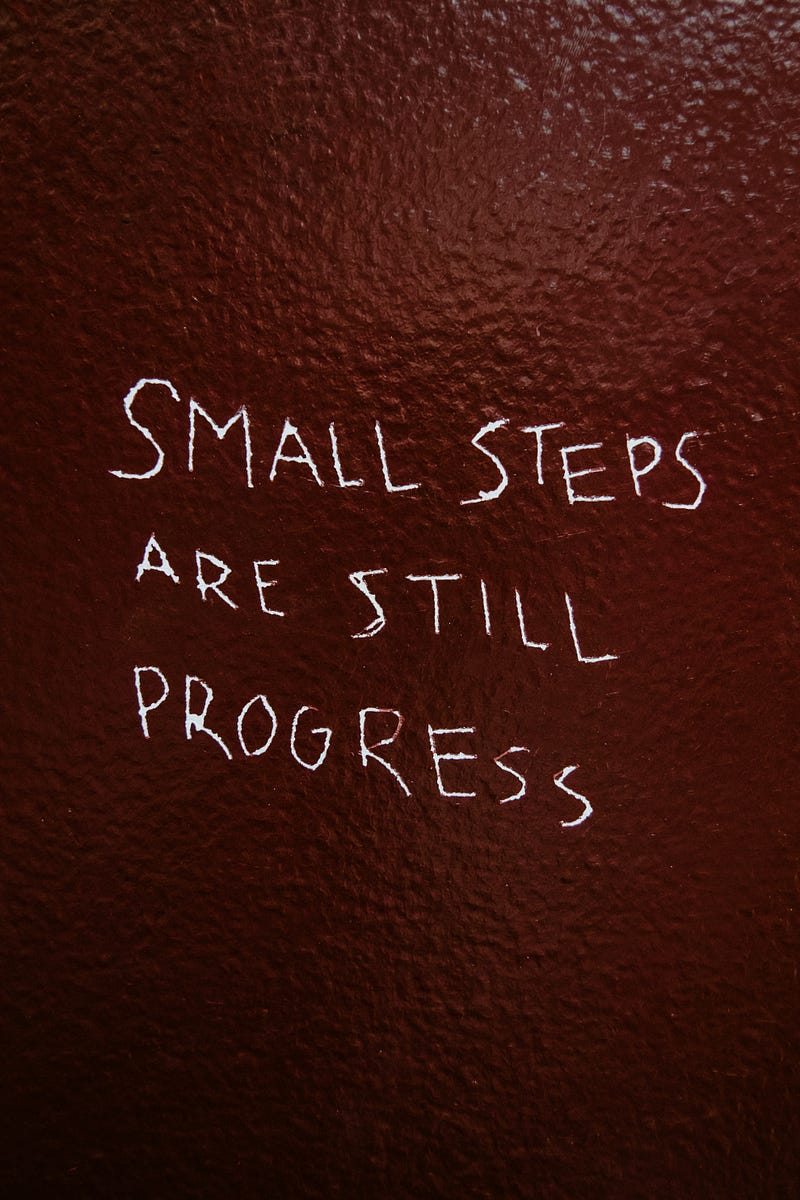
Photo by Hayley Catherine on Unsplash

Whatever task you need to complete, whether you’re studying for an exam or completing a project, break it down into smaller steps. This will increase expectations of our procrastination equation as small tasks seem a lot easier to get done than large projects. Although everyone has a different sweet spot, I find it very helpful to be hyper-specific with deadlines.

For example, if I am studying for an exam next week and have multiple lessons and practice problems to cover, I’ll take a few minutes to think about which lessons to take each day and how many practical problems I have.

Getting started is the hardest part of the job. One of my favorite learning tricks for solving this problem is the Pomodoro Technique. In short, you work in blocks of 25 minutes, each separated by a five-minute break. During each block, you will focus on a single small task. It was revolutionary to my study habits.

And if you are wondering “how does this help me get into my business?” Back to our equation: That heightened expectation. If I sat down to study and told myself I had to study for five hours, I would certainly be very, very easily distracted. But if I instead tell myself that I only have to study 25 minutes for this little task it becomes a lot less intimidating and it becomes a lot easier not only to start but also to stay focused during the 25-minute Pomodoro.

Set the bar down
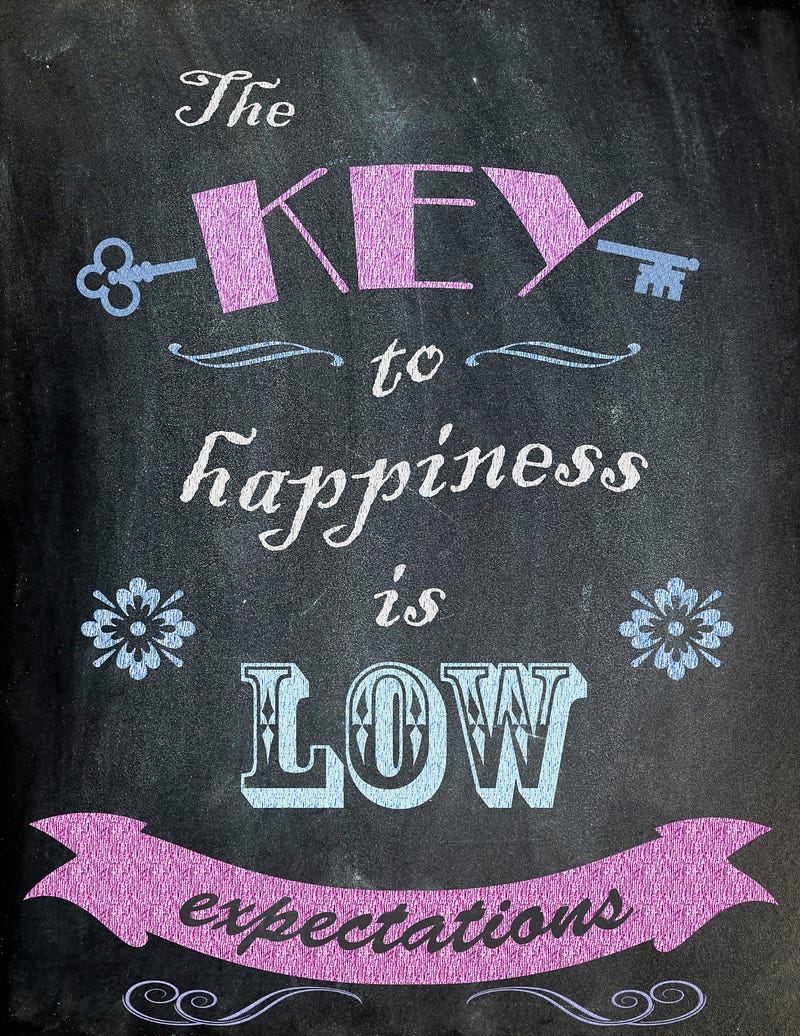
Photo by Karen Arnold on public domain pictures

This is another trick to add to the expectations of our equation. Set a goal for a little less than you actually can. I recently used it for my meditation practice.

When I decided to meditate 20 minutes a day, I only do it a few times a week. I felt like I never had time to sit and meditate for 20 minutes, so I rarely did. Instead, I lowered my expectations by trying to meditate for just five minutes a day. Lowering the bar, I meditated almost every day and even though I set the goal at just five minutes, I almost always exceeded it.

Hack the pleasure of studying experience

Photo by Soundtrap on Unsplash

Have you ever felt like studying was boring? What if you don’t support the business’s immediate results? Suppose you don’t know what you want or you have unclear priorities. These examples all indicate a low value in our equation. An increase in value helps us to overcome procrastination. How do you add value? One way is to reward yourself for completing a task.

For example, you can reward yourself with a healthy and tasty meal, or spend time with your friends after and only after completing your chemistry homework. However, to begin with, you may encounter topics that do not inspire you. Mixing up your study environments or listening to good study music will improve the learning experience.

Use Parkinson’s Law to your advantage

Photo by Mikhail Pavstyuk on Unsplash

The idea that you can get your job done later can overwhelm even the most productive people. Parkinson’s law states that the job will expand to fill the allotted time. So if you only have 30 minutes of work, but you have two hours to complete, you will end up spending the full two hours. I often use this technique by creating artificial delays that force me to do the job more efficiently.

These artificial delays reduce the lag in our motivational equation and therefore the probability of delay. The trick is not to be too aggressive with your schedules as this can create unnecessary stress. Over time, you will gain a better understanding of how long an activity takes and how you can use Parkinson’s law to your advantage.

Be aware of your learning environment

Photo by Marc-André Julien on Unsplash

We all agree that distractions are a major cause of our productivity. Pure distractions are unlikely to be successful in the long run. Take a prophylactic approach by creating a work environment that minimizes distractions. In this way, we decrease the impulsiveness of our motivational equation.

For me, that means putting my phone in airplane mode, putting my laptop in non-disruptive mode, and getting to work in full-screen mode. If working from home distracts you, opt for a library instead. Most importantly, make sure you minimize digital distractions. I’ve found that any other type of distraction is negligible compared to the destructive nature of your phone, smartwatch, or computer’s notification focus.

The problem with advice, in general, is that one suggestion can work wonders for one person but not for another. Of the five suggestions above, I doubt if all of them will work for you, but I’m sure some will work a lot better than others.

An important part of optimizing your life, be it productivity or study habits, diet, exercise, or whatever, is understanding yourself. For example, one of the tips that aren’t on this list is the responsibility, and that’s because it’s very effective for some people with a certain personality type, but much less so for others.

So, those were some of the techniques I feel that can help a person to excel in his or her carrier, I hope it helps your life getting better.

Thanks for reading!!

Join our community to get more self-improvement tips in the future on your mail.

You may also like…

Motivation
Procrastination
Mindset
Self Improvement
Personal Growth
Recommended from ReadMedium