
MENTAL HEALTH | ANXIETY | MINDFULNESS | WRITING PROMPT
Enjoy Mindfulness for the Win
How anxiety today is threatening us all.
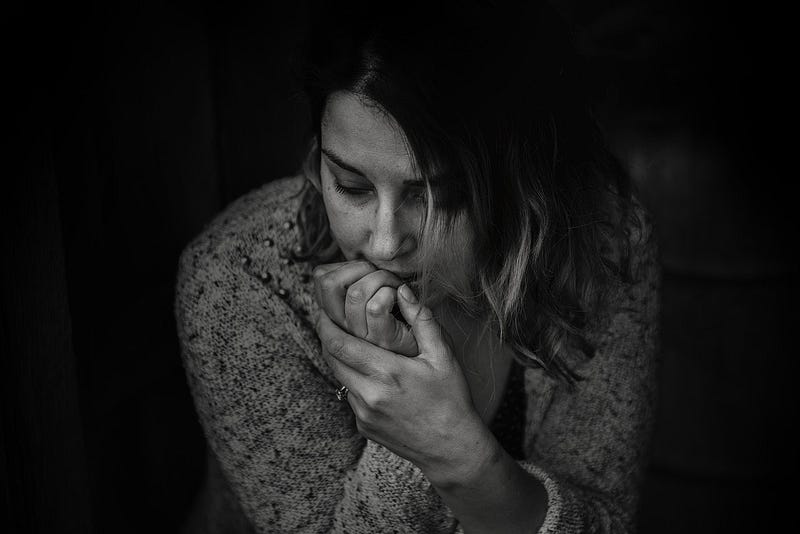
My world is growing smaller and smaller each day. I live within the confines of self-restrictions, born of anxiety, laden with stress. As my mental health deteriorates, my struggles to not let it define me reach new heights because I refuse to let fear paralyze me. I still have too much living to do.
The Problem
I am no stranger to living in anxious states — so much so that the list of what I’m not afraid of is simpler to produce than the list of things that scare me. And seeing as we, as people, are nothing more than a speck in a vast expanse, my desire to control things is futile.
And yet, I continuously focus on external forces to ease my discomfort and blame the things that frighten me. But, through aging and mindfulness, I’m learning that if I look outward for answers to stop being scared, my dis-ease will persist, keeping me its victim.
The Bigger Problem
My fears, while current, are primarily symptoms of past trauma not yet healed. For example, when I fear losing loved ones, I’m worried about abandonment, and my anxiety over heart palpitations or cancer highlights my incapacitating fear of death. Others may say my fears are reasonable and expected — and I’d say they’re right, except they have existed long ago since childhood.
Children burdened with grief and loss related to illness, in my case, Multiple Sclerosis, are at risk of suffering anxiety and depression — a higher rate than children with healthy parents.
“Existing literature suggests that the children of ill parents are vulnerable to a variety of psychosocial difficulties such as depression and anxiety.”
“Multiple sclerosis is the kind of thing where, at least in the ’90s [the decade my father died], you’re really watching someone die — bit by bit by bit. It takes a long time.”
Is it my duty to cure past pain and suffering to heal, or is the damage irreparably done?
The Biggest Problem
Many of my previous anxieties were mine alone. This helped me recognize the sky was not falling. However, the difference now is while many of my fears are personal, society joined me, making my fears the norm.
This issue is gravely unsettling.
The world’s joined me in worrying about,
- Death and disease (COVID-19).
- Severe weather warnings (Climate change).
- Controversy and Unrest (Anti-Vaxxers).
- Quality of Life (Inflation)
While many previously dealt with mental health issues, I felt camaraderie and support. Now that most deal with anxiety, I feel lost in the crowd. My worries feel justified. It’s not a healthy way for us to live.
How I’ve Chosen to Cope
In recent years, nothing has been easy. The pandemic has given me excuses to stay closer to home, but this need for familiarity feeds my anxiety. I fear the elevator that takes me to my car, the temperature that my body finds hard to regulate, the smells at the office that trigger headaches, and the wasps that keep me paranoid about walking outside.
I am a walking ball of stress, but one thing has changed — and it’s a good thing.
I no longer view my anxiety as an illness but as a state of mind. It’s a reaction to the lack of calm in my psyche. So while I continue to take prescribed medication for my bipolar disorder, I’ve veered away from anxiety medications, choosing in their place to indulge in mindfulness practices.
How it Works
I understand that I had trained anxiety before I understood what it was. When life left me without control and in the throes of overwhelm, unease set in. The more life happened, without tools to manage the stressors, restlessness replaced serenity — nervousness shadowed peace.
When I currently feel anxiety, I command myself that I am in control. While I may not be in power over my issues, I am in the driver’s seat of how I react to them and the emotions I feel. So first, I acknowledge where I’m at, sit with and feel it, then I reassure myself that the worry will pass. It may not be immediate — it may take minutes, hours, days, even weeks or longer — but it will pass.
I repeat, “My never-ending anxiety is not my illness. It’s a pattern I’ve taught myself to cope with the things I don’t understand.”
Is anxiety more than this mantra? It is indeed, but simplifying it brings the unknown into perspective. Suddenly, I feel less insignificant while I tackle the significance of it all.
Once I reassure myself, I am not heading for a downward spiral — that I am not falling victim to my mental illness — I can breathe. I take one large inhale, followed by a pause; then another large breath, followed by a pause. I repeat this as often as needed until my heart rate slows and my anxiety subsides.
During the deep breaths, I center myself by sorting facts from the story I tell myself. At first, I focus on the moment, stay in reality, and then invite joy. When all residual fear is de-activated, it doesn’t build upon itself.
My Final Thought
The practice of mindfulness is new to me. I’ve only recently begun using these techniques. So far, it’s helped curb my fears, but yet, my anxieties grow stronger each day. I stand challenged as the world spirals out of control and society tumbles alongside it.
I continue to find solace through family, by giving and receiving kindness, through rented therapy dogs, relaxation techniques, and believing in myself. If you’re suffering from anxiety, I suggest you try these strategies too.
It’s vital to recognize if you’re suffering from anxiety, this may be a sign of a medical issue. Don’t disregard it. Seek help — be sure to find your answers.
This article hopes to help those searching for solutions to manage day-to-day struggles that are keeping you caged.
“Birds born in a cage, think flying is an illness.” — Alejandro Jodorowsky
I refuse to let anxiety keep me locked inside — I long to break free. I’m standing on the ledge, but I know one day I’ll leap. Fear or no fear — I am on this earth to more than survive.