
Enhance Your Cultural Knowledge At UNESCO World Heritage Sites
There are 1,199 such designated sites worldwide; if you want to learn about culture, history, and science, make it a point to visit.
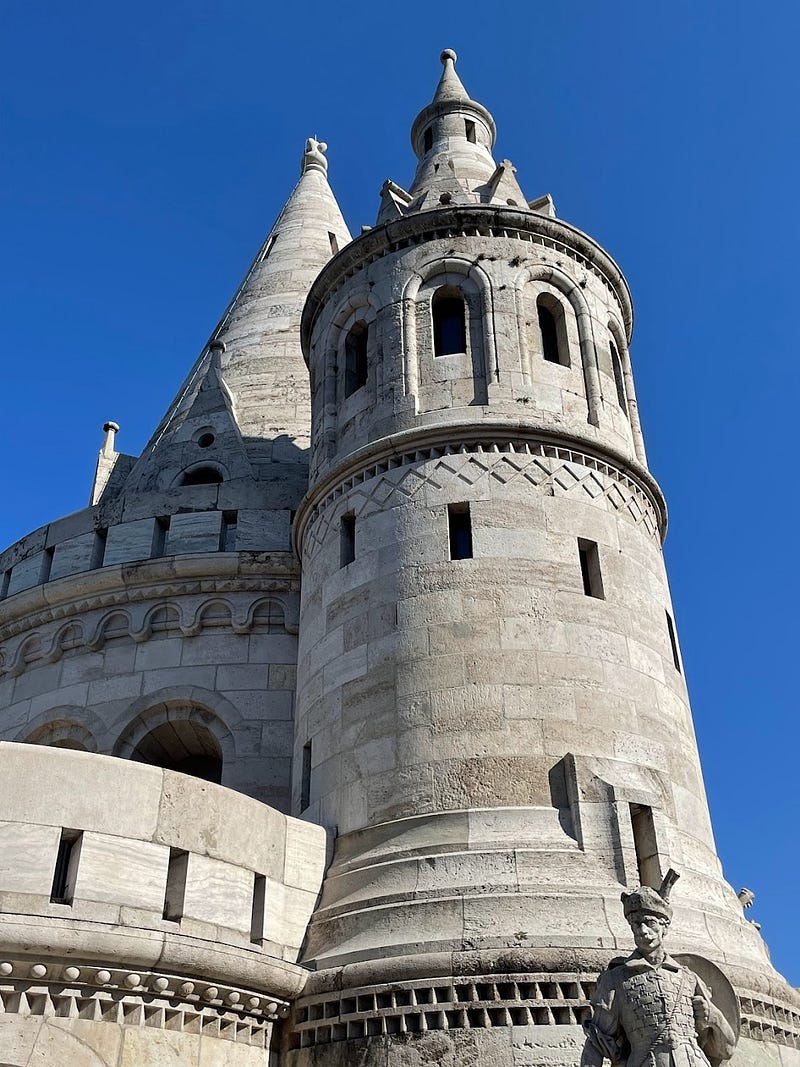
I first learned about UNESCO (United Nations Educational, Scientific and Cultural Organization) World Heritage sites in graduate school for my Natural Resources degree (MS- Environmental Education and Interpretation) less than a decade ago.
Interpretation was the most difficult part of this degree, and it involved learning to explain significant cultural, scientific, and historical events in a non-directive or definitive way.
In other words, the information is presented in a way that the audience (formal or not) can take what they want from it and form their own opinions about what they’ve seen, heard, or read.
Unfortunately, I’m much more didactic than that. There are pieces of information that I want people to know if I am the presenter.
In any case, learning about the UNESCO sites was a boon to my personal growth as a human and traveler. It satisfies my need to learn when traveling and have reliable information from which to do it.
“The United Nations Educational, Scientific and Cultural Organization (UNESCO) seeks to encourage the identification, protection and preservation of cultural and natural heritage around the world considered to be of outstanding value to humanity.” — Source
In 1978, the first twelve UNESCO Heritage sites were named. The Galapagos Islands were among the twelve first listed (source) as was Yellowstone National Park in the United States and Krakow Poland’s Historic Center.
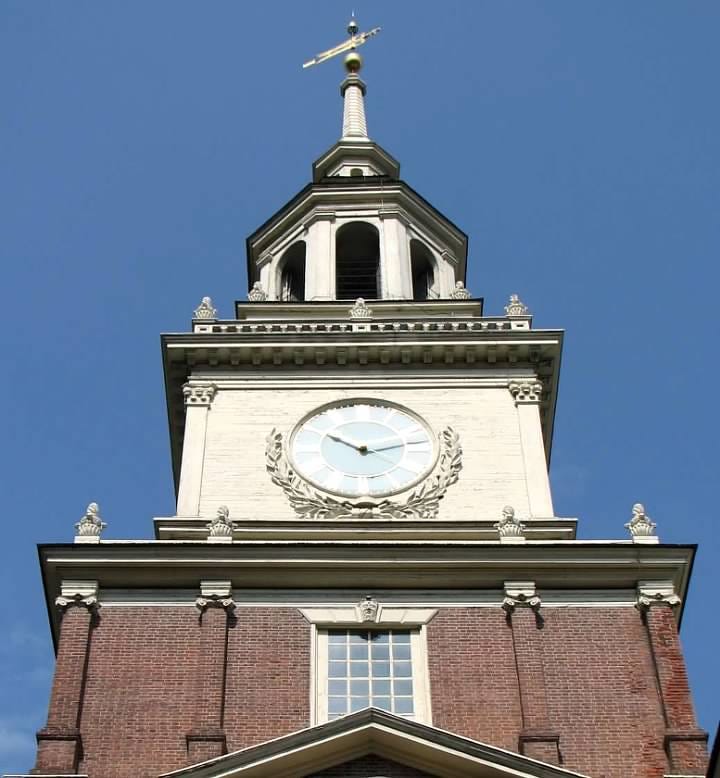
I began visiting UNESCO sites long before I knew of their designations. I have an interest in history and sharing history with my family. Some of this entailed going to Independence Hall, the Liberty Bell, and the Gettysburg Battlefield in Pennsylvania, to learn some United States History (good and bad). Of those, Independence Hall, designated in 1979, is the only UNESCO World Heritage site (Source) that is listed here.
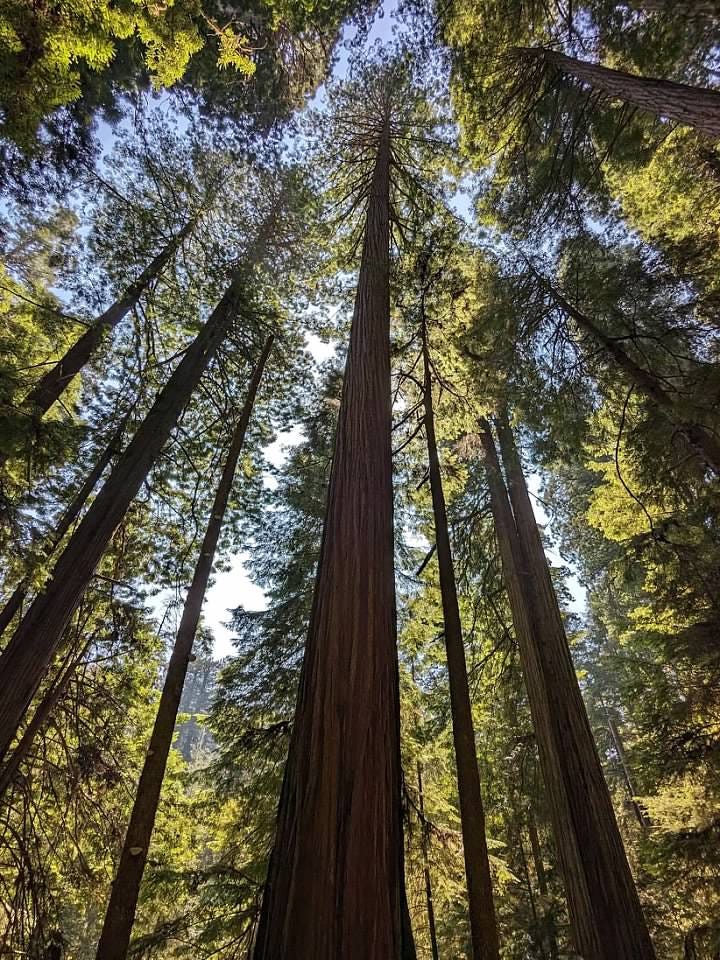
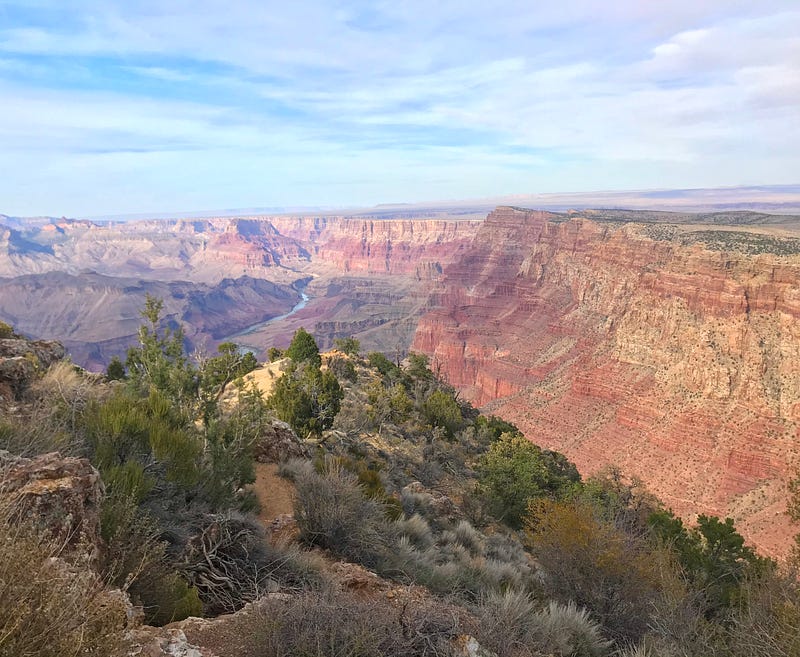
There are twenty-five sites UNESCO Heritage sites in the United States at this time (source). Besides Independence Hall, I’ve been to five of them including Redwood National Park, Great Smokey Mountain National Park, Grand Canyon National Park, the Everglades, and the Statue of Liberty. I hope to get to more.
How do sites get designated by UNESCO as a World Heritage Site?
“To be included on the World Heritage List, sites must be of outstanding universal value and meet at least one out of ten selection criteria.” — Source.
The criteria include things such as representing human genius, being an outstanding example of human settlement, exhibiting testimony to a cultural tradition or a civilization that has disappeared, representing an exchange of human values over time, being an outstanding example of the stages of earth’s history, landscapes, architecture, conservation of biological diversity, be an exceptional example of aesthetic natural beauty and importance, as well as other criteria (Source).
Essentially, the UNESCO sites are selected on criteria that bear significant examples of the best features of human creation and natural existence.
Now, who wouldn’t want to visit those sites?
Since I found out about the UNESCO designation roughly ten years ago, I’ve been able to visit (by happy accident) many of their sites.
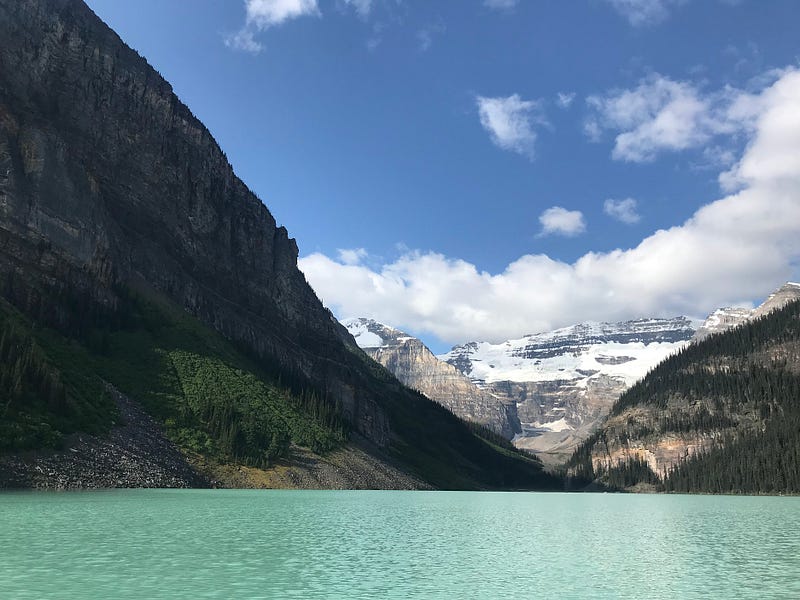
In total, I’ve been to twenty UNESCO sites that I know of. A few examples of those I’ve been to in foreign countries is Mt. Fuji in Japan where I traveled to in 1982. And the Canadian Rockies which I visited in 2019. They were designed as UNESCO World Heritage sites in 2013 and 1984 respectively.
While I was in Japan, I also had the chance to visit the Historic Monuments of Ancient Kyoto. These were designated UNESCO sites in 1994.
When we went to Europe last fall I was able to greatly expand the number of my visits to UNESCO World Heritage sites. Almost every city and port of call we stayed in had them.
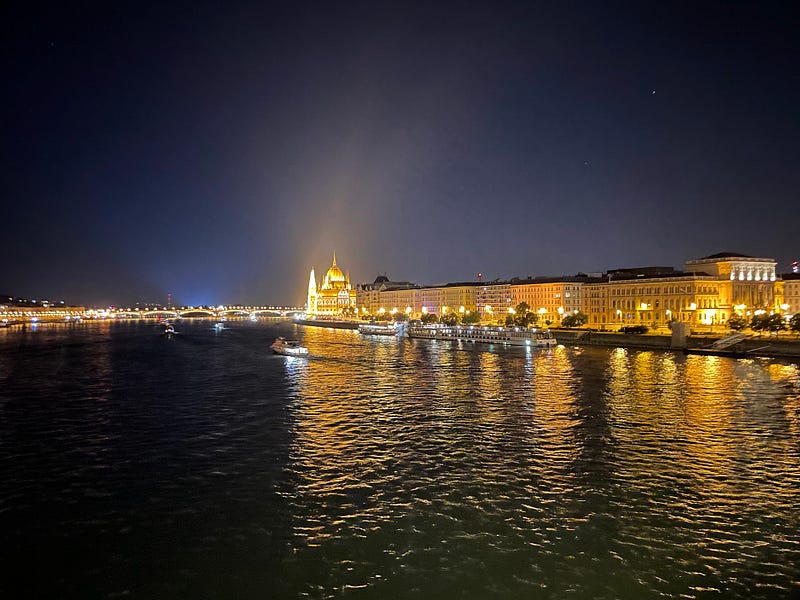
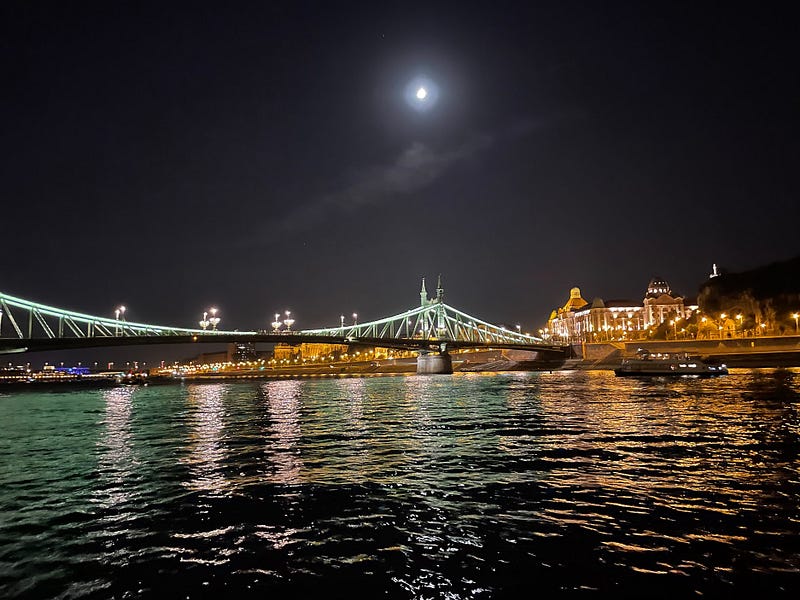
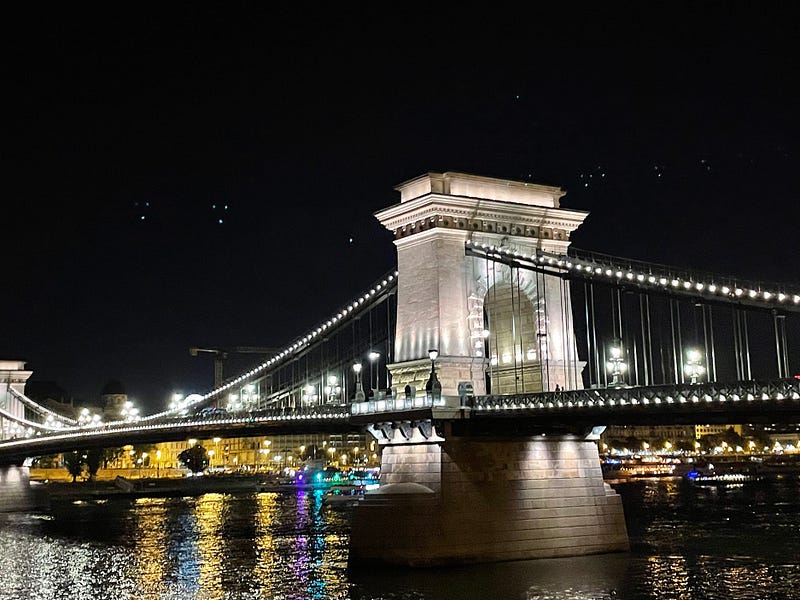
We started in Budapest. Budapest is a wonderful place to visit. It’s so wonderful that I want, very much, to go back. The banks of the Danube in Budapest, Hungary were designated UNESCO World Heritage sites in 1987.
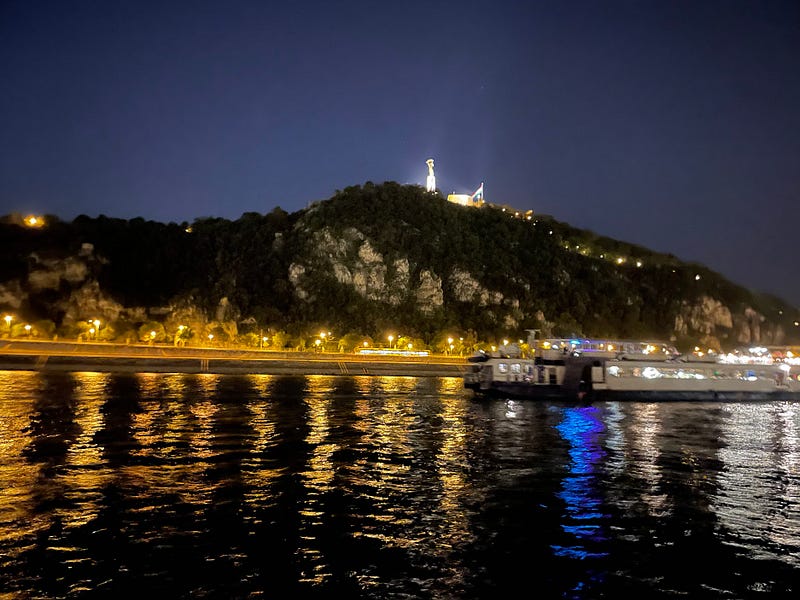
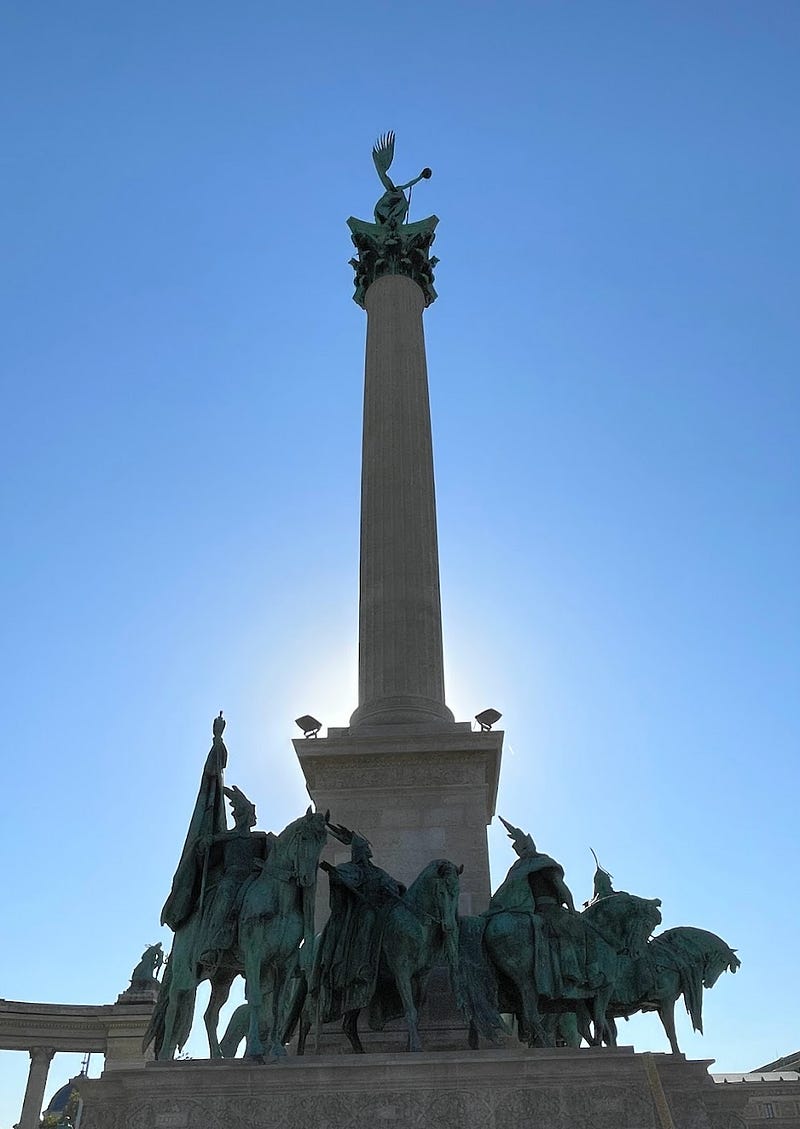
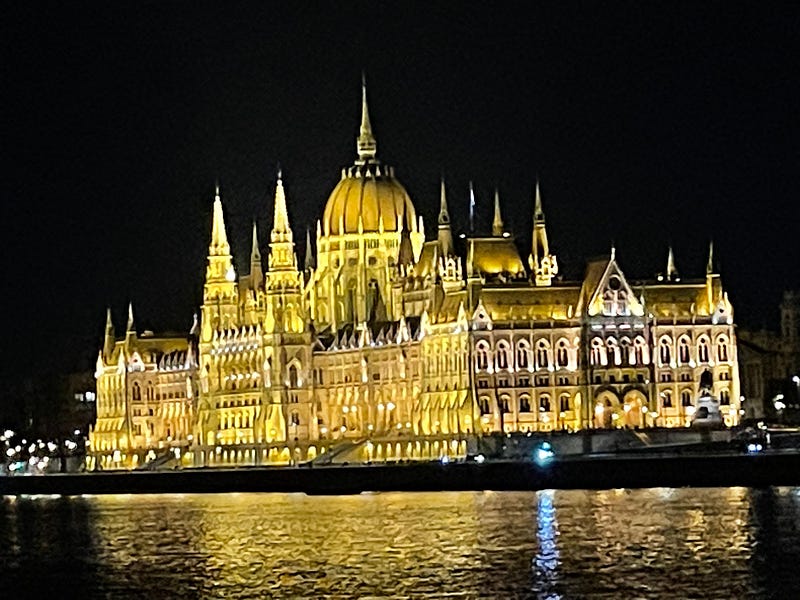
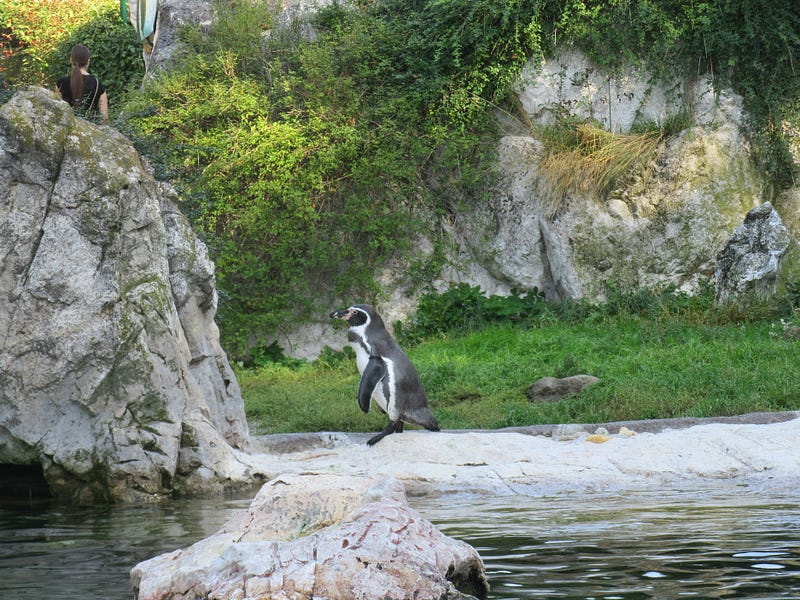
On to Vienna. You can imagine that this city has many UNESCO World Heritage sites and it does. We visited the historic center of Vienna and traveled on the Ringtrasse — the road that circles the city. We saw the outside of the Palace and the Gardens at Schonbrunn. We went to the Schonbrunn Zoo, too. It was worth it and you guessed it — the zoo is a UNESCO Heritage site, too.
Still in Austria, the Wachau Cultural Landscape in the Krems-Melk area was designated a UNESCO site in 2000. We could see why.
“The Wachau is a stretch of the Danube located between Melk and Krems, which demonstrates high visual and landscape qualities. It showcases many intact and visible traces of its continuous, organic evolution since prehistoric times, be it in terms of architecture (monasteries, castles, ruins), urban design (towns and villages), or agricultural use (mainly for the cultivation of vines and apricot trees).” — Source.
The Melk Abbey which is a monastery that dates back to 1089 AD, is part of the Wachau Valley’s designation. This area is also known for its wine production in Austria. Terraced vineyards can be seen for miles as you travel the river.
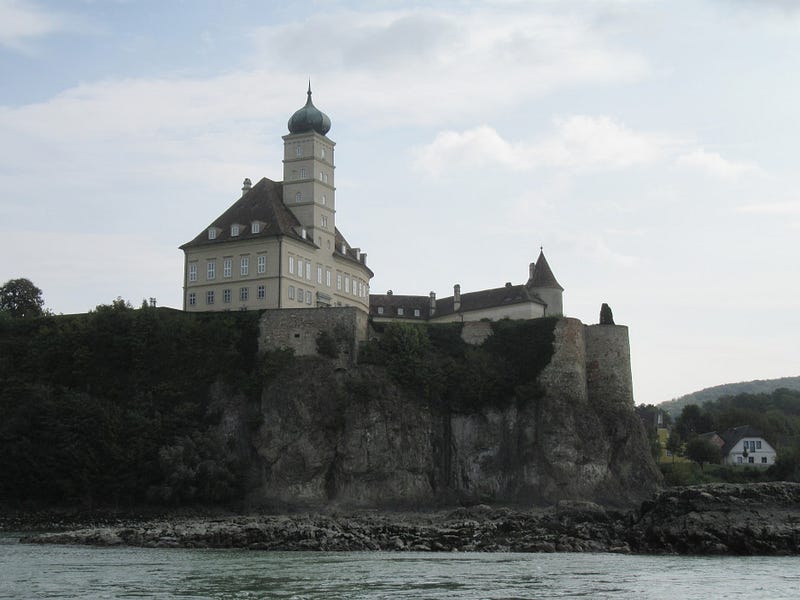
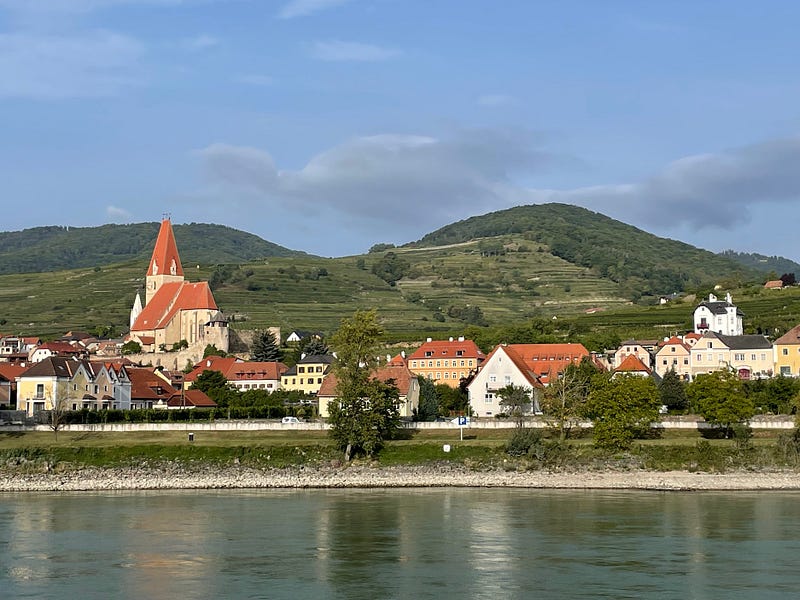
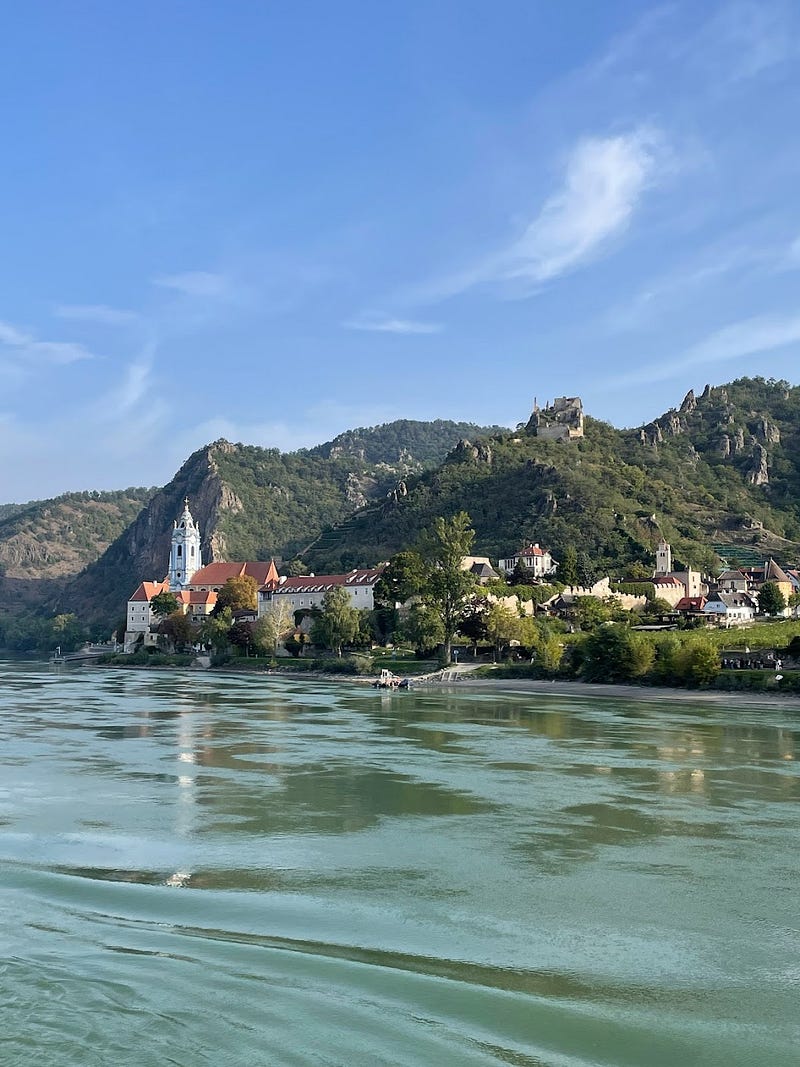
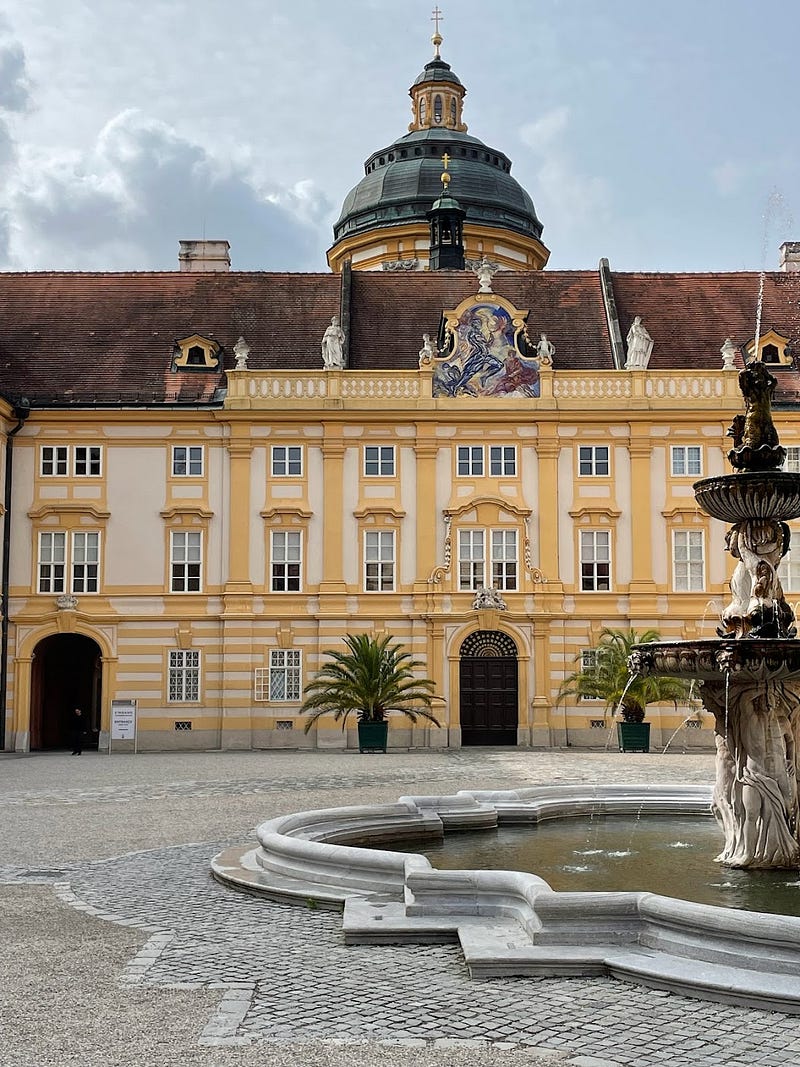
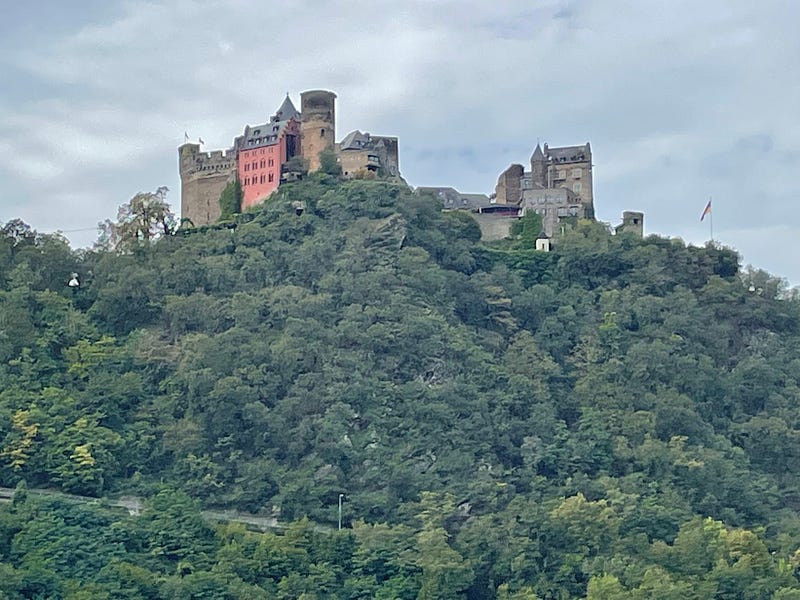
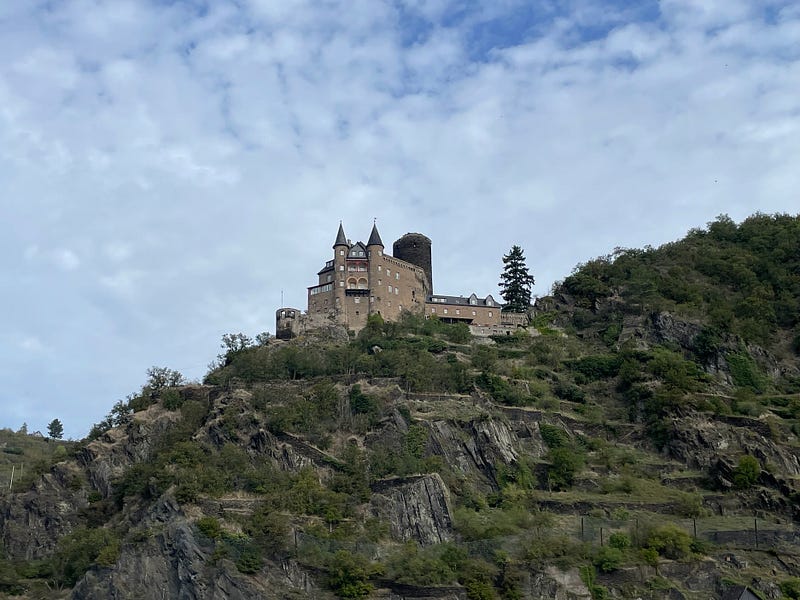
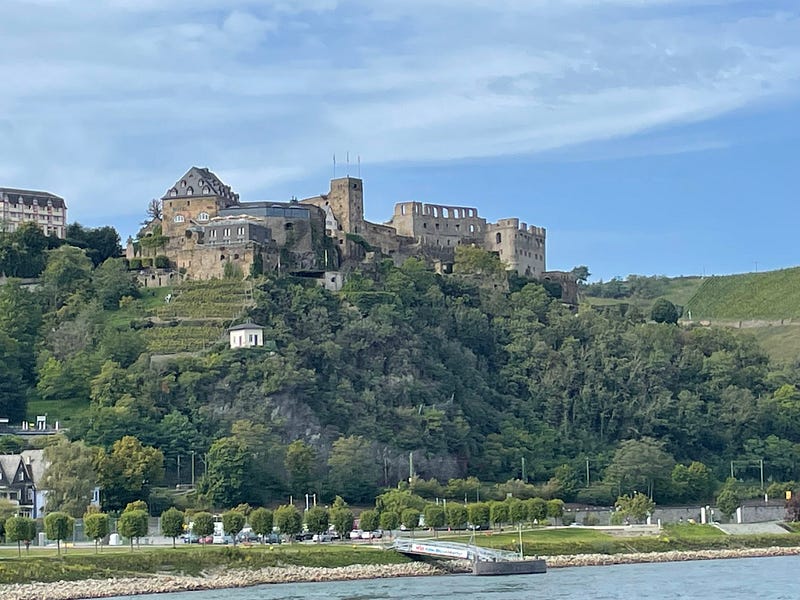
Once on the Rhine, the fabulous historical and cultural venues continued. The entire castle district of the Rhine is a designated UNESCO site. We saw them starting as we left Austria in Durnstein and continued as we entered the narrow and picturesque Rhine River Gorge.
Stretching for 65 km, the middle Rhine has more castles than any river in the world (source).
Like some of the other European UNESCO sites I’ve brought to your attention, the Upper Middle Rhine Valley, as it is referred to on the UNESCO World Heritage website, states that it was inscribed for its outstanding universal value.
This river, the towns that developed around it, and the transport it provided connecting parts of Europe over the centuries made it fertile ground for feudal possession of the land. It is and has been for centuries universally valuable.
And, beautiful.
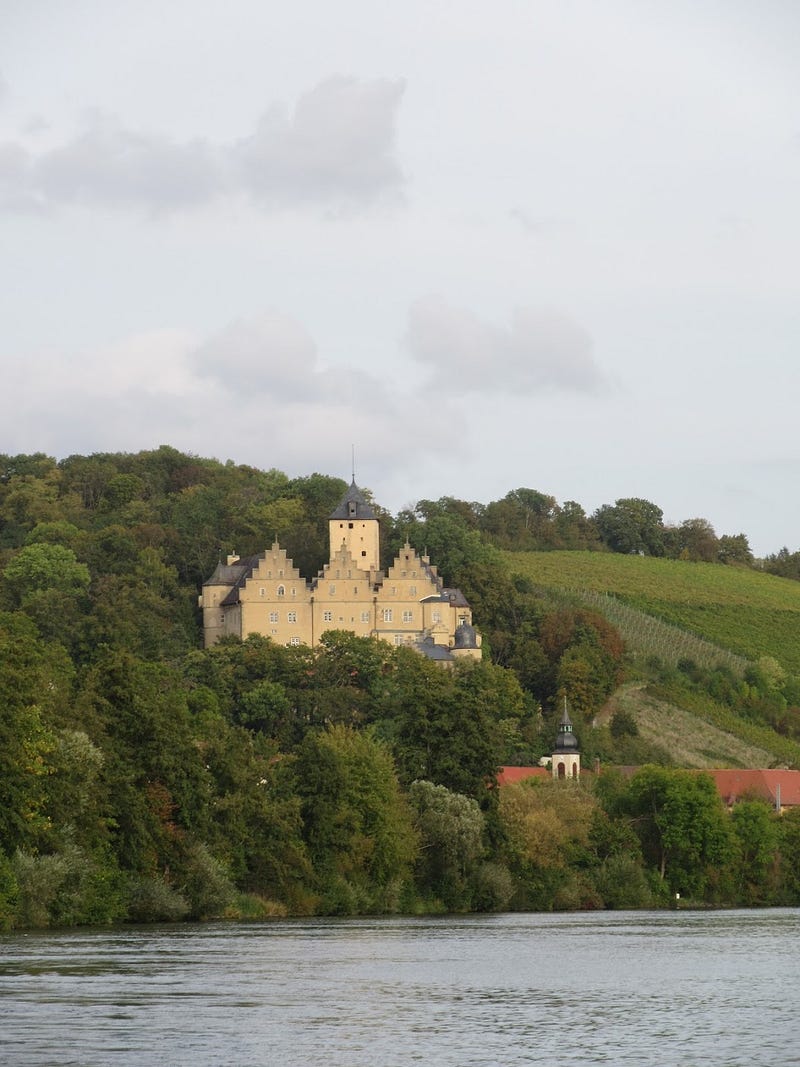
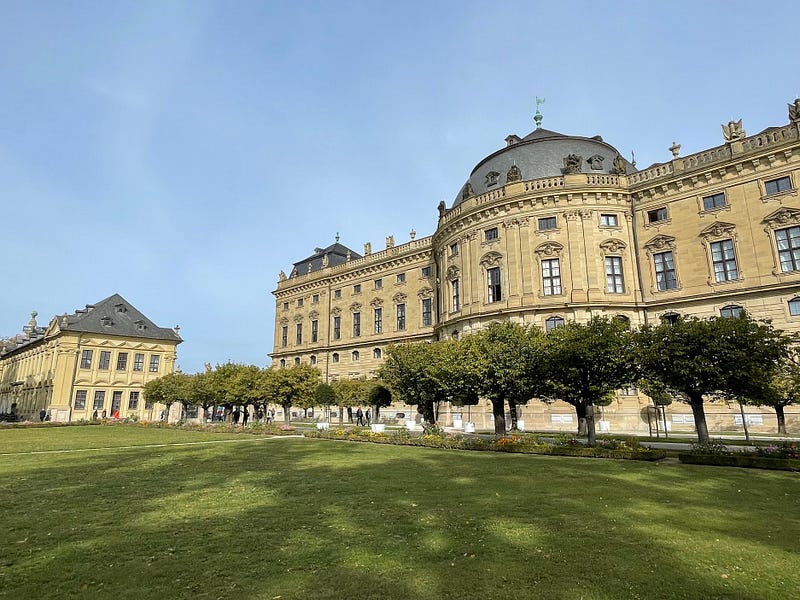
And there was more, the entire town of Bamberg Germany was inscribed in 1993, the Cologne Cathedral in Cologne Germany received its designation in 1996 and the Wurzburg Residence and Court Gardens were recognized in 1981 by being added to the World Heritage site list that UNESCO keeps.
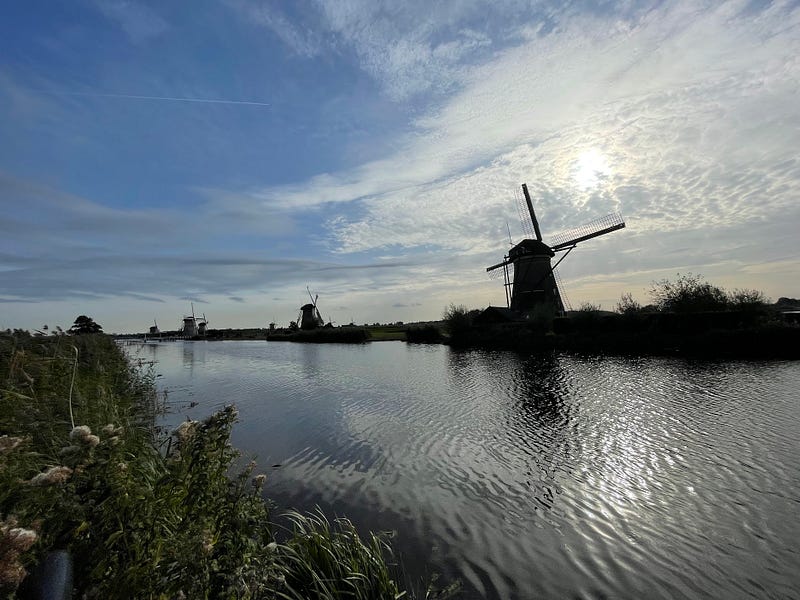
Our final stop was Kinderdijk in The Netherlands. This is a grouping of 19 windmills, preserved for centuries and recognized for their ingenuity systems of hydraulics to enable the use of the Dutch landscape (source).
With almost 1,200 UNESCO World Heritage sites and more being added each year, I know I’ll never get to all of them. But, I feel pleased and also proud to have visited some of the most influential and most beautiful places in the world.
What UNESCO sites have you been to and which ones do you want to cross off your list? If you have no idea, check out this list of the 1,199 places that have already been inscribed as UNESCO World Heritage sites.