
Language Learning | Linguistics | TESOL | ESL
English Language in Pakistani Culture
Status of English Language in Pakistan

It is because of the diffusion of cultures and the impact of globalization on communication that it’s important to explore the status of the English language in Pakistan. Let’s look at the sociocultural context, and examine how individuals in Pakistan attribute meaning to the learning and application of English in their daily lives.
Sociocultural Influences on Language Practices
Pakistani Culture, marked by distinct values, shapes how language is used in daily communication. From rituals to cultural norms, the context of language usage is influenced by factors such as the people involved, the content of the message, the location, and the timing. There is a connection between culture and language in shaping societal communication.
Sociolinguistic Implications of English as an International Language
English, as a global language, highlights sociolinguistic implications in Pakistan and explores through power dynamics like capitalism, colonialism, cultural hegemony, and linguistic imperialism. It also examines the multifaceted impact of English on Pakistani society and the questions surrounding its status.
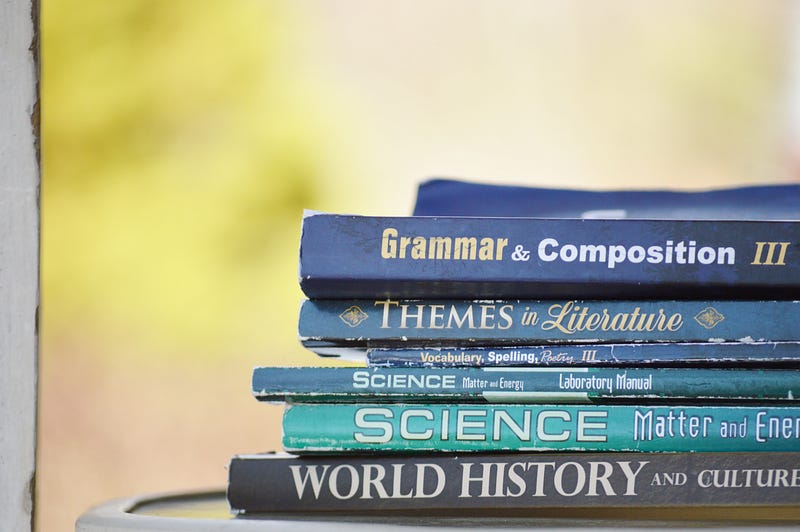
TESOL in Pakistan: Sociocultural Phenomenon Inquiry
While research on Teaching English to Speakers of Other Languages (TESOL) exists, the emphasis is on the need to explore its sociocultural dimensions. To discuss how resistance against sociopolitical control of English can be achieved through indigenization, fostering authenticity, creativity, and localization in language learning.
Ethnographic Exploration of TESOL Culture in Pakistan
Based on the Culture of TESOL in Pakistan, we need to adopt a Sociolinguistics perspective to develop authentic pedagogical materials. It encourages the importance of understanding language acquisition in natural settings and explores how elements of prestige and prejudice manifest in the use of the English language.
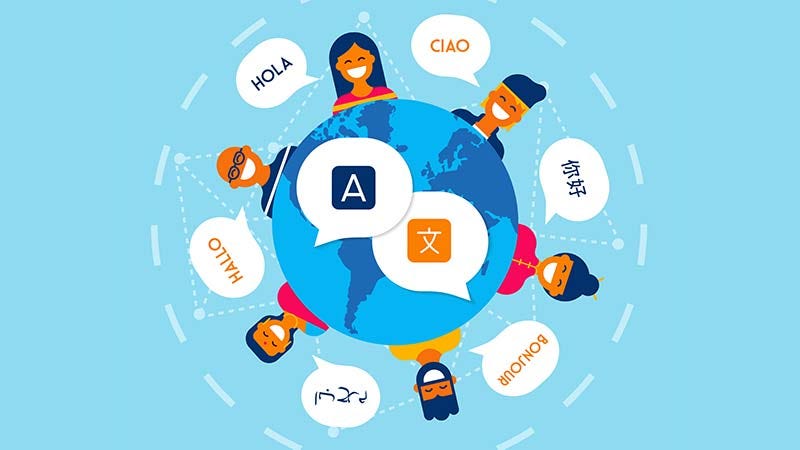
Socioeconomic Variables in English Language Learning
Examining the role of socioeconomic factors in English language acquisition, the focus is on the dichotomy of ‘us versus them’ in a multicultural world. It focuses on individuals’ perceptions of the English language and their motivations for learning it, shedding light on the multiple realities behind English language learning in Pakistan.
Multifaceted Realities through Cultural Nuances
Illustrating the complexity of English language dynamics, investigating the present real-life instances, including the education systems with distinction amongst the private and public sector’s way of teaching English language, mothers making use of code-mixing instead of code-switching, and disturbing individuals’ language learning potential. The role of the English language in Pakistan is a representation of elitist values and colonial attitudes in various spheres.

Code-Mixing and Code-Switching
Code mixing and Code Switching are trends of Bilingualism. Code mixing is when you mix words of different languages in one sentence. Whereas Code Switching is when you make multiple sentences/paragraphs in one language and multiple in another. As mothers in Pakistan suffer from this complex where they try to teach their children words in English to the extent that they use multiple words in the English language while speaking in the Urdu language.
Examples
For e.g. Bayta, ‘fan’ chalao, or ‘Apple’ kha lo. In both examples, a mother is giving directions to turn on the fan and to eat an Apple. Now, she’s unconsciously making the child proficient in neither of the languages in an attempt to teach English. Instead, she should make use of strategies that are intelligibly appropriate.


Localization to the Lingua Franca
Also, if we look at the textbooks used to teach English or even story books mostly written in English they mention accustoms, culture, festivities, occasions, traditions, and values that are alien to the local(s).
Examples
Examples of this would be the mention of Easter events, Halloween, eating of Ham or Pork, instead of Eid as a festival, or Mutton as the type of meat. Therefore, we also need to bring localization in the English language learning as ‘lingua franca’ to the Pakistani(s).