Engaging in Life
Even when it’s painful
Sometimes engaging life means being willing to engage in pain and loss. If you are going to be genuinely connected to others, that is going to mean being willing to face their difficult challenges as well.
I’m sure that life is full of happiness and wonder and surprises and goodness. And sometimes life just seems full of unfairness, injustice, inequity, suffering, and agony.
A dear person in my life went through a difficult miscarriage. Then she went through a year of difficult infertility. Then she finally got pregnant with twins. Her pregnancy was turning out to be quite difficult with incredible sickness. There were days she wanted to rip her hair out but then she would tell herself with every vomiting spell that the babies were alive and well.
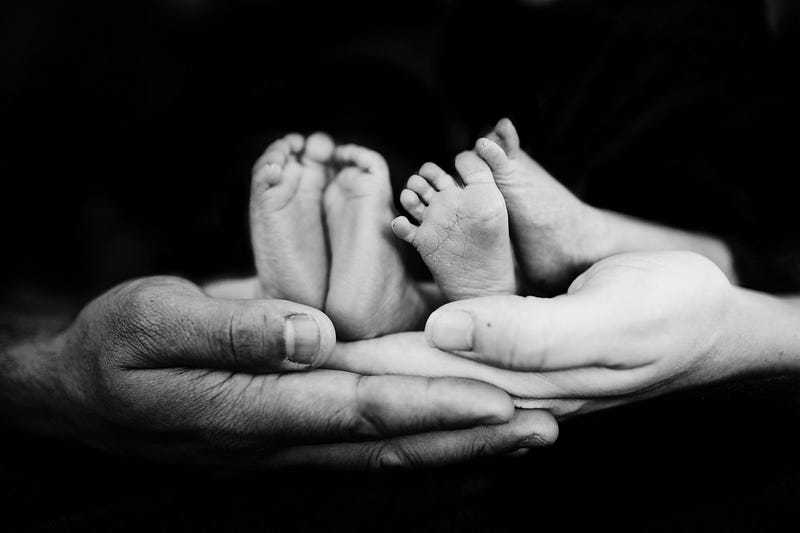
And then she delivered twin sons at 16 weeks and lost them both. She and her husband were able to hold them, name them, cry with them, and say goodbye to their sweet babies. Talk about gut-wrenching loss.
An older friend of mine was in tears on the phone yesterday as she talked about two of her grandchildren getting a life education about loss at their young ages. Her 15-year-old grandson lost a friend and teammate when he went on a hike with his family and fell to his death heading to the Eternal Flame. Her nine-year-old granddaughter lost a dear friend who was driving with her family and was hit by a drunk driver. Stories aren’t matching up. He may not have been drunk but on some kind of medication. Either way, he is in jail, and the family weeps over their loss. And young kids try to make sense of loss the same way my Frankie did when he was eight and his father died.
Cripes.
I had a quiet night with a couple of friends sitting by a fire. I commented that I love fires, and I’m having one in my beautiful yard outside of my beautiful house. I was sitting with friends. So why the heck aren’t I happy? I get so terribly frustrated with myself that I can’t be happy, content, or whatever. I just feel empty most of the time. And angry more and more often. One of the people sitting with me is a neighbor who I haven’t seen in quite a while. She has buried TWO husbands in her lifetime. She told me again, that in her experience and her reading, her guess is that it takes about ten years after you lose a spouse to really, truly feel like you are living again.
Cripes.
I told her we are approaching five years. When I talk to others about grief and loss, I always preach about there not being any time tables. That everyone is different. You know the drill. But when it comes to myself, I think that five years sounds like an eternity. Every year that passes I think I should be further along than I am.
I guess partly it is hard for me because it doesn’t always feel directly related to my loss. It often feels connected to being alone, but sometimes it’s not even that. But what other reason do I have to feel so lost and angry and empty and unhappy and unfulfilled and cranky?
I will keep being there to be a shoulder to cry on, an ear to listen, and I will even weep with others. I’m not afraid of anyone’s pain or suffering. I just wish there were more moments of the other end of the spectrum to balance things out more often.
Maybe tomorrow.


