Energy News — Shell Signs 27-Year LNG Supply Deal With Qatar
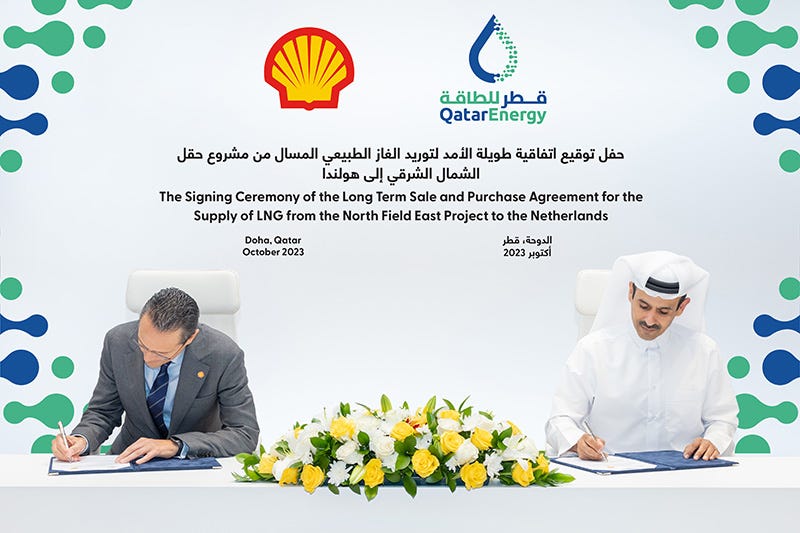
On 18 October it was announced that Shell signed a new liquified natural gas (LNG) supply deal with Qatari government leaders, such as the Minister of State for Energy Affairs and President and CEO of QatarEnergy, Saad Sherida Al-Kaabi.
Shell CEO Wael Sawan, who is seen in the link above with his Qatari counterpart, was eager to sign the long-term contract for Qatar’s LNG supplies, because he is still coming under pressure about the company’s energy transition strategy.
According to the terms of this LNG deal, QatarEnergy will deliver approximately 3.5 million tons of LNG per year to an import terminal in The Netherlands at Rotterdam Gate. It is the second deal reached between a European supermajor and QatarEnergy, as the LNG giant also reached a previous long-term contract with France’s Total Energies.
Saad Sherida Al-Kaabi is the most significant leader in Qatar’s global LNG strategy, since he is both the energy minister and CEO of the country’s largest LNG supplier, QatarEnergy. Here’s what he said about the LNG supply deal with Shell:
“These agreements reaffirm Qatar’s commitment to help meeting Europe’s energy demands and bolstering its energy security with a source known for its superior economic and environmental qualities. We look forward to work closely with our partner, Shell, in delivering on this shared endeavor.”
The 2023/2024 winter season is coming, which means these LNG supply deals also have a political dimension for the European Union’s energy security in the near-term. Not to mention the long-term strategy to disrupt Russia’s massive energy supplies to European markets. Read more about the Russia price cap dilemma below.
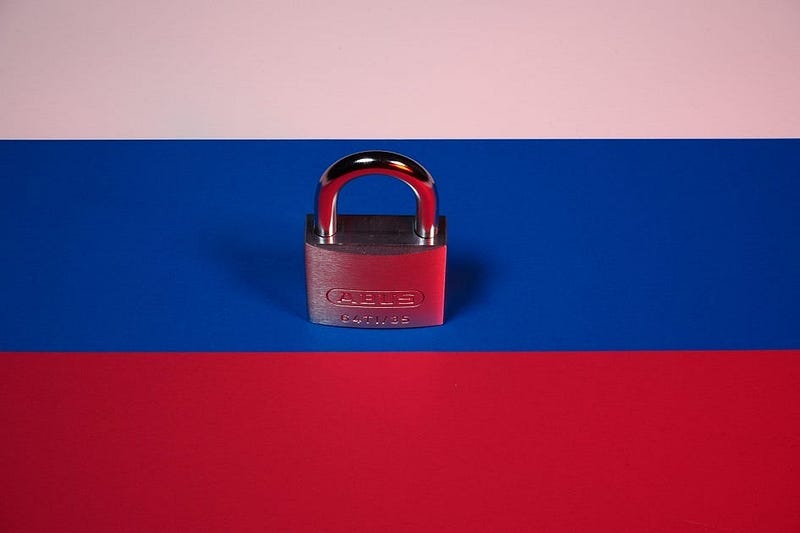
Russian fuel exports are going up despite U.S. and EU sanctions and the G7’s price cap on energy exports from Russia. Not only are the exports of key Russian energy shipments rising, but the price per barrel of crude oil, diesel and naphtha are are not meeting the $100 price cap target set by the EU and Australia last year.
The EU courageously announced that it was formulating a Market Correction Mechanism on 22 November 2022. Since November, the proposal to set a price cap on natural gas prices via the Title Transer Facility (TTF) gas price benchmark has been one of the hotly contested issues within the EU.
The Agency for the Cooperation of Energy Regulators (ACER) is responsible for monitoring the price correction mechanism and any safeguards that would be put in place against price and market volatility.
It was finally announced on 19 December 2022 that the natural gas price cap would go into effect in Feburary 2023. Euronews said that the price cap on natural gas “is aimed at curbing energy prices as the bloc reels from a crisis exacerbated by Russia’s decision to stop supplying the EU with fossil fuels to retaliate against sanctions over its war in Ukraine.”
The price cap aims to halt prices from going above €180 per megawatt-hour during at least three consecutive trading days.
After finalizing the legislation, Jozef Sikela, the Czech minister of Industry and Trade, said:
“We have succeeded in finding an important agreement that will shield citizens from skyrocketing energy prices…from risks to security of supply and financial markets stability.”
The agreement was met according to the EU’s “qualified majority” rule, by which 55% voted in favor of the natural gas price cap.
Criticism has not only come from EU countries such as Hungary, but also from the American trading exchange platform Intercontinenal Exchange (ICE), which voiced its opposition to the EU’s gas price cap on the grounds that:
“Our customer outreach and internal risk assessment suggest that the mere presence of a cap, significantly increases the probability of the cap being triggered.”
That’s where the safeguards come into play. According to the European Commission (EC), market regulators have the authority to suspend the price cap mechanism in the event of high-risk market volatility in energy prices and supplies.
Proponents of the ICE’s arguments against the gas price cap probably have not taken into consideration what is happening beyond the European continent. Read the [World Spotlight] from Areas & Producers below:
World Spotlight: G7 Price Cap On Russian Energy Exports Is A Test For Future US & EU Sanctions
The content in Areas & Producers provides a methodology for readers and writers who are curious about global trends and the future of the world.