
Energy in energy drinks-where is the fountain of energy hidden?
What is an Energy Drink?
A beverage that typically contains large amounts of caffeine, added sugars, additives and stimulants such as guarana, taurine, and L-carnitine.
Why is the term “Energy drink” misleading
The term “Energy Drink” can be misleading as it implies that the energy boost provided is natural and sustained.
But the energy boost provided by these drinks is typically not derived from the body’s natural energy production process. Instead, the energy boost is often the result of the caffeine and sugar content in the drink.
Caffeine is a stimulant that can increase heart rate and blood pressure, and can give the feeling of being “energized.” The sugar in the energy drinks can cause a spike in blood sugar levels, leading to a temporary boost in energy and endurance. However, this energy boost is short-lived and can lead to a crash and feelings of fatigue, irritability, and anxiety.

In terms of providing energy, energy drinks do not provide any real energy. They are essentially caffeine and sugar, which can provide a temporary boost, but can also lead to crashes and negative side effects.
How do they work on our bodies?
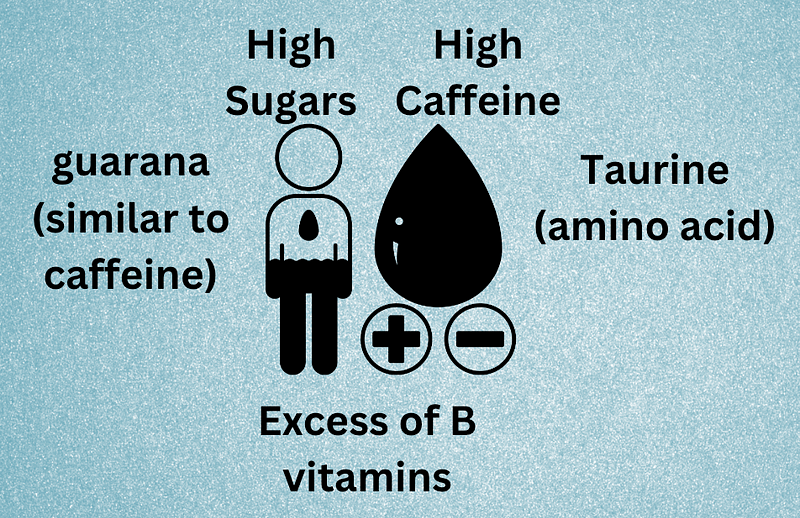
Caffeine - the most common active ingredient found in energy drinks works by blocking the action of adenosine, a chemical in the brain that makes you feel tired. This leads to the release of other neurotransmitters such as dopamine and norepinephrine, which can enhance mood and increase focus and attention in short term.
Caffeine in energy drinks is at levels of 70 to 240 mg in a 16-oz. drink and 113 to 200 mg in an energy shot.
(For comparison, a 12-oz. can of cola contains about 35 mg of caffeine, and an 8-oz. cup of coffee contains about 100 mg.)
Sugars - such as glucose and fructose provide a quick source of energy by raising blood sugar levels, which can lead to a temporary boost in energy and endurance. However, consuming large amounts of sugar can cause a spike in blood sugar levels, followed by a crash.
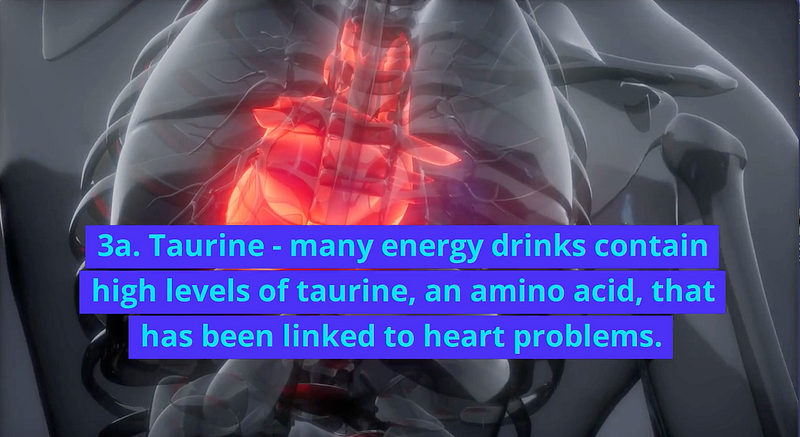
Taurine - many energy drinks contain high levels of taurine, which is an amino acid that has been linked to heart problems. Some studies have also suggested that taurine may increase the risk of seizures and other neurological problems.
B-vitamins and guarana — high levels of B-vitamins and guarana (another source of caffeine sometimes called Brazilian cocoa) can have negative effects on the body. They can cause stomach discomfort and headaches, and can also lead to addiction as people consume more and more energy drinks. The real danger of guarana is that it’s not listed as an additional source of caffeine on ingredient lists
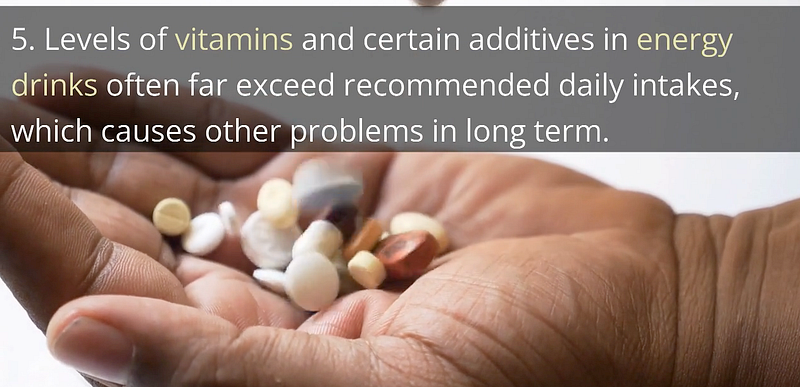
Levels of vitamins and certain other additives in energy drinks often far exceed recommended daily intakes.
Effect of energy drinks on our Kidneys:
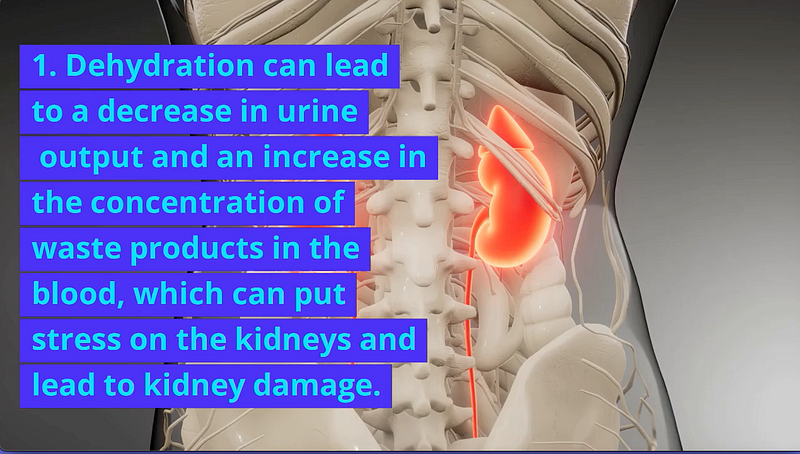
Dehydration - One of the main concerns with energy drinks is that they can cause dehydration. Dehydration can lead to a decrease in urine output and an increase in the concentration of waste products in the blood, which can put stress on the kidneys and lead to kidney damage.
Blood pressure - Another concern is that energy drinks can increase blood pressure, which can also put stress on the kidneys. High blood pressure is a major risk factor for kidney disease and can lead to damage to the blood vessels in the kidneys, which can cause them to lose their ability to filter waste products from the blood.
Sugar and artificial sweeteners - Energy drinks also contain high levels of sugar and artificial sweeteners, which can lead to diabetes and obesity. These conditions can cause damage to the blood vessels in the kidneys, which can lead to kidney disease.
High levels of B-vitamins and guarana - Energy drinks contain high levels of B-vitamins and guarana, which can have negative effects on the kidneys. They can cause stomach discomfort, headaches and can also lead to addiction as people consume more and more energy drinks.
What are better alternatives to Energy drinks:

There are several healthier alternatives to energy drinks that can provide a boost of energy without the negative side effects.
- Water: can also help to reduce fatigue and improve energy levels.
- Fruits and vegetables: Fruits and vegetables are a great source of natural sugars, vitamins and minerals that can provide a boost of energy and support overall health.
- Tea and coffee: Tea and coffee contain caffeine, which can provide a boost of energy and alertness, but in moderate amounts.
- Whole grains: Whole grains such as oats, quinoa and brown rice contain complex carbohydrates that provide sustained energy throughout the day.
- Nuts and seeds: Nuts and seeds are a great source of healthy fats and protein that can provide sustained energy throughout the day.
- Exercise: Regular exercise can increase energy levels and improve overall health.
- Yoga and meditation: Yoga and meditation are a great way to reduce stress and improve mental clarity and focus.
- Adequate sleep: Getting a good night’s sleep can improve energy levels and overall health.
Things to watch out for if you consume Energy drinks:
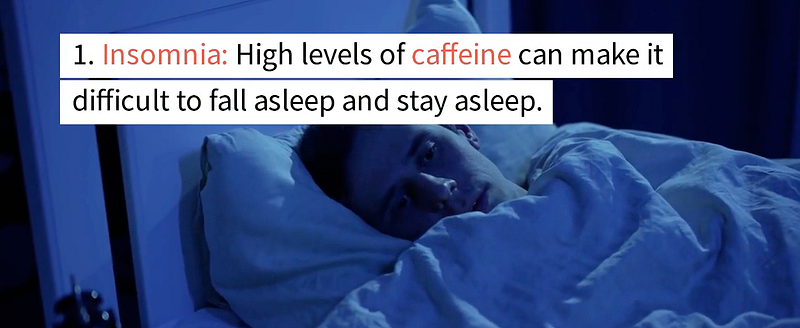
- Insomnia: High levels of caffeine can make it difficult to fall asleep and stay asleep, leading to insomnia.
- Anxiety and jitteriness: The caffeine in energy drinks can cause feelings of anxiety and jitteriness.
- Rapid heart rate and high blood pressure: The caffeine and other stimulants in energy drinks can increase heart rate and blood pressure.
- Dehydration: Dehydration can lead to headaches, fatigue, and other negative effects.
- Stomach discomfort and nausea: Consuming high amounts of caffeine can cause stomach discomfort and nausea.
- Overdose: Consuming too much caffeine can lead to overdose, which can cause seizures, hallucinations, and even death
Which age groups are more vulnerable to Energy drink affects:
Children and adolescents- are particularly vulnerable to the negative effects of energy drinks. The American Academy of Pediatrics has issued a warning about the consumption of energy drinks by children and adolescents, stating that the high caffeine content can lead to symptoms such as insomnia, anxiety, and rapid heart rate. Additionally, energy drinks are high in sugar and can contribute to obesity and diabetes in children and adolescents.
Young adults - particularly college students, are also at risk of negative effects from energy drinks. The high caffeine content can lead to sleep disturbances, and the high sugar content can contribute to weight gain and other health problems. Studies have also shown that college students who consume energy drinks are more likely to engage in risky behaviors.
Pregnant women - should also avoid energy drinks, as the caffeine and other ingredients can cross the placenta and reach the developing fetus or pass into breastmilk. The high caffeine content in energy drinks can also lead to sleep disturbances and other negative effects in pregnant women.
Are energy drinks addictive?
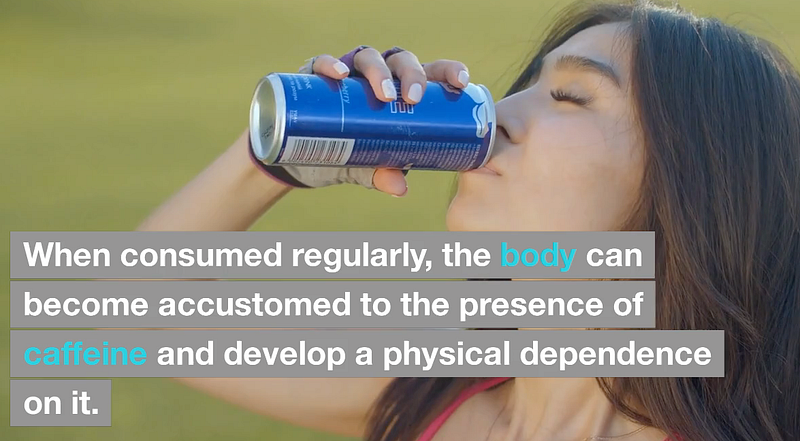
Energy drinks can be addictive, as the caffeine and other stimulants they contain can lead to physical and psychological dependence.
When consumed regularly, the body can become accustomed to the presence of caffeine and develop a physical dependence on it. This can lead to withdrawal symptoms such as headaches, fatigue, and irritability when caffeine is not consumed.
Moreover, the regular consumption of energy drinks can also lead to psychological dependence, where the individual feels like they need the energy drink to function normally. They may develop a pattern of relying on energy drinks to boost their energy and productivity. This can lead to an addiction-like behavior, where the individual feels compelled to consume energy drinks even when it’s not necessary, and even when it causes negative side effects such as jitteriness, anxiety, and insomnia.
If You must have an Energy Drink, try these healthier options:
- Celsius Live Fit: High in caffeine (200 mg), contains green tea extract with EGCG (a highly potent antioxidant), zero sugar, added minerals, vitamins and ginger for digestion.
- Zevia Zero Calorie Energy: Non-GMO, free from artificial colors and preservatives, zero sugar, 120 mg of organic caffeine per 12-ounce can.
- Guayaki Organic Yerba Mate: Half as much caffeine, Yerba mate — a type of tea, zero natural or artificial sweeteners, three percent lime juice.
- Hiball Energy — 160 mg caffeine, but zero sugars, calories, sodium and protein.
- Red Bull Zero — Very popular and has been around for long.
But wherever possible reduce consumption, look for healthier drinks and natural sources.
https://youtu.be/RhrxxAnKHDM (Short video)