
Endocannibalism — The Gruesome Ritual Of Consuming Human Flesh
Consuming the flesh of a departed family member is considered a respectable act!
A cultural phenomenon known as endocannibalism, in which members of a group ingest the flesh of fellow people, has been practiced by various cultures throughout history and is being practiced in certain regions of the globe today. Endocannibalism has a significant cultural meaning and is practiced to respect and remember the departed, even though others may find the practice disturbing and disgusting.
Necessary for a Smooth Transition into the Afterlife?
Although its precise beginnings will likely never be known, endocannibalism is said to have originated as a practice that aimed to infuse the spirit of the departed into the lives of the living and to perpetuate their memory.
Consuming the flesh of a departed family member is considered a good act in certain societies, and it is believed that doing so paves the way for their spirits to make a smooth transition into the afterlife. Endocannibalism has been subjected to significant scrutiny and criticism even though it has historical origins and has been practiced by various civilizations.
They ate the flesh of their loved ones…
Several instances of endocannibalism may be documented in historical records. For example, the Fore people of Papua New Guinea participated in a practice known as “mortuary feasting.” During this rite, participants ate the flesh of their loved ones who had passed away to respect their memories and maintain a spiritual link with the living.
To appease the gods and guarantee plentiful harvests, the ancient Aztecs of Mexico conducted ceremonial sacrifices and ate the flesh of their victims. These practices took place in Mexico. Similarly, the Maori people of New Zealand kept the heads of ancestors and other members of the tribe who had passed away to honor them.
Making ritual use of Human Skulls!
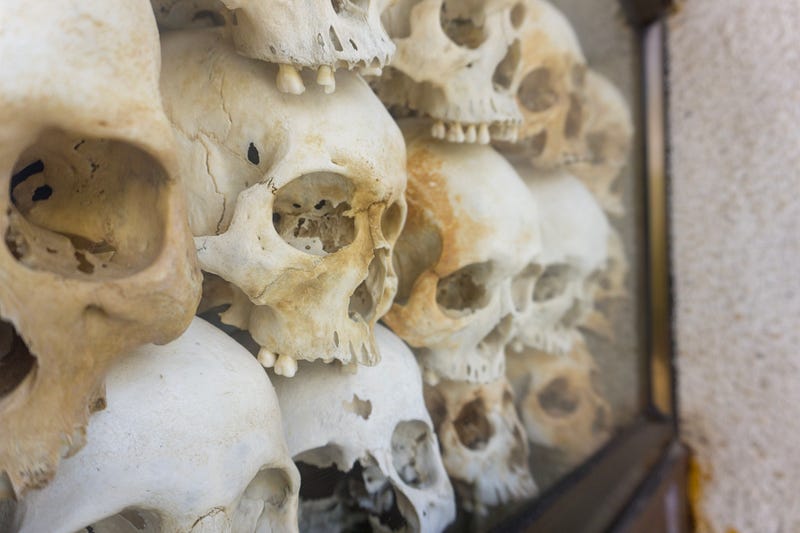
The practice of eating one’s kind is not something that is relegated to the distant past; it is still practiced in modern communities. The Aghori sect of Hinduism is known for its practice of “kapala moksha,” which entails eating human flesh and using human skulls.
The Korowai people of Papua New Guinea carry on the tradition of endocannibalism to maintain a spiritual connection with their ancestors who have passed away and pass on their knowledge to subsequent generations.
On the other hand, endocannibalism brings up several serious ethical questions. Infectious diseases and viruses, such as Creutzfeldt-Jakob disease (commonly known as CJD), may be transmitted via eating human meat. This is one of the most pressing concerns.
In many cases, the person whose flesh is devoured has not openly agreed to such activities, which raises problems about autonomy and the destiny that would occur in one’s corpse after death. Consent is another ethical factor that should be taken into account.
Some believe engaging in endocannibalism is demeaning and insulting conduct since it breaches fundamental human dignity and shows a lack of respect for the departed. When analyzing this contentious activity, it is difficult to balance the ritual’s cultural relevance and the ethical implications of the practice.
If you want to read more interesting and insightful stories, why not join Medium and become a member — Click Here!


