
#30DAYSOFSCIKUCHALLENGE
Empathy n kind
Day 18 Prompt: A Prosocial Research Inspired Sciku
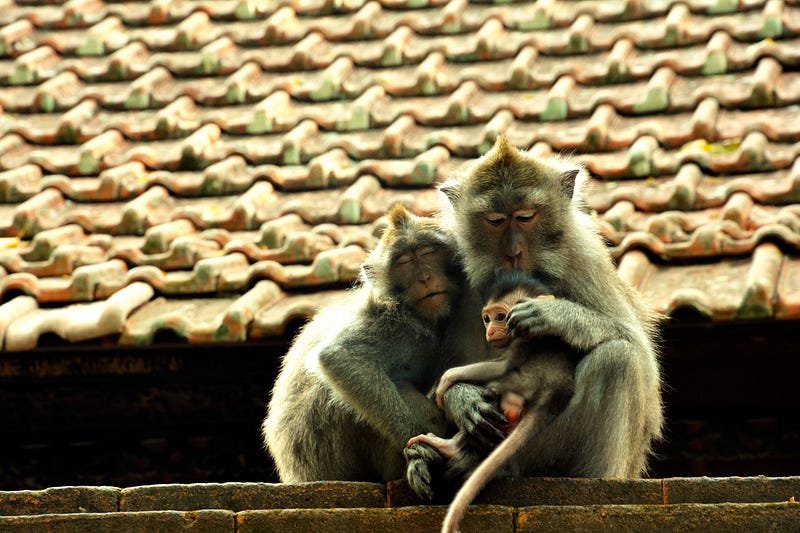
Empathic and kind your pain deepens my resolve seeking common ground
The evolutionary case for human empathy and kindness is relatively straightforward — we are social animals, and we evolved to be relatively friendly, cooperative, and collaborative as it helps us form teams, and teams are more likely to survive than isolated individuals — the basic idea behind the group selection theory of evolution.
However, empathy-driven behaviors, including exceptional kindness, are hardly unique to humans — baboons groom each other, and even rats show empathy — These and other findings are starting to provide some insight into the possible biological roots of our urge to assist others in need.
Perhaps one interesting story of emphatic behavior in animals came accidentally from the work of a research psychologist, Carolyn Zahn-Waxler. She instructed people to pretend to sob, cry, or choke for her work on studying how young children respond to family members’ emotions.
Interestingly she noted that some household pets seemed just as worried as the children were by the feigned distress of the family members — The pets hovered nearby and put their heads in their owners’ laps as if in an attempt to say — “I am here.” Anyone who has been near a pet — can probably attest to this observation.
All that to say — the building blocks for kindness, empathy, and altruism most likely predate humanity, though we may be better able to organize ourselves to form moral rules that tell us when and how to apply our prosocial tendencies for the greater good.
Here’s hoping we will find a way to channel our better instincts, empathic and kind tendencies towards each other and the world at large, and find a way to get along.
Thank you for reading!
**This is Day 18 of the #sciku challenge — science-inspired haiku-like poetry( so #sciku?) prompts to get you inspired — Our dear readers — why not spend some time each day creating and having a little fun — if you do — publish it anywhere on medium, just tag it with — #30DaysOfScikuChallenge.
**Tagging Lynn E. O’Connor, PhD Laura Griffith Machado, PsyD and anyone else who feels inspired to follow and/or play along with this fun #30DaysOfScikuChallenge and today’s prompt: Prosocial Research
What’s next —
Or perhaps more on compassion by Agnes Louis


