
Emotional Safety Is The Term Everyone Needs To Know But Doesn’t
Finally, a word that describes what I was lacking in childhood. TW: child abuse/child neglect

Did you ever have a friend who just put you on edge, and you couldn’t quite elucidate why? In my case, it wasn’t a friend as much as it was a family member. We’re going to call her P for this story.
P meant well, and whenever she would watch over me, she would try to instill whatever values that she had in that time. The problem with this was that she behaved like children in the family were an extension of her. If family members acted on their own interests, it was a failure to her.
A failure was not acceptable to P. This would lead to her screaming at me, making a scene, alienating me, smacking me, and at times, even sabotaging things I wanted to do. P would make sure I understood that I was not to have my own personality, period.
If I wore goth clothing, she’d call me “hideous.” If I told her I was unhappy, I’d get screamed at, and though rarely, smacked around. If she didn’t like the classmates I hung out with, she’d screech at me until I would go to school in tears. If I wanted something to help me express myself, the answer was almost always no.
P’s screaming fits and conditional love made me act out. I never quite felt like I had someone in my corner growing up. Not even other family members interceded. They just let it happen. Eventually, I ran away from my family because I couldn’t take P’s antics anymore.
Things got better, but only after I was trafficked, beaten, and had to scrape my own career together with absolutely zero help from anyone in my family. It was my decision to keep P in my life, even though most people would have never spoken to her again. She still doesn’t acknowledge anything she did.
We currently have an okay relationship, but it took over a decade to get to this tenuous point. I still can only take her in small doses, simply because it gets so toxic, so quick. I still assume that she wouldn’t care about me if I was still a “loser” in her eyes. It’s a safe assumption in my opinion.
For the longest time, I couldn’t explain what was lacking in my relationship with P.

Everyone could tell something wasn’t right with me, but they couldn’t figure out what it was. People in college noticed something was wrong with my interactions with my family. I mean, it was hard not to.
When most people talked to their family members, it looks warm and loving. With mine, it’s often business-like. People often said that I had “orphan energy.”
There was always a certain coolness in my family, one that occasionally was picked up on by colleagues. It was so obvious, I remember the lady at the cafeteria looking at me pitifully during a particularly rough day and saying, “You know, P does love you, I think.”
It is really hard to explain to people what it’s like to constantly have to wonder what will set off your family member. I’ve had people try to diagnose it in a number of ways, the most common being told, “Look, your family’s love is conditional. I’m sorry.”
It was so clear to so many people that something was horribly wrong with my family, but there was no term for it that I knew of. For some reason, this alone killed me inside. It made me feel even more alone than I already was. In truth, what I lacked that everyone else around me had was emotional safety.
What is emotional safety?
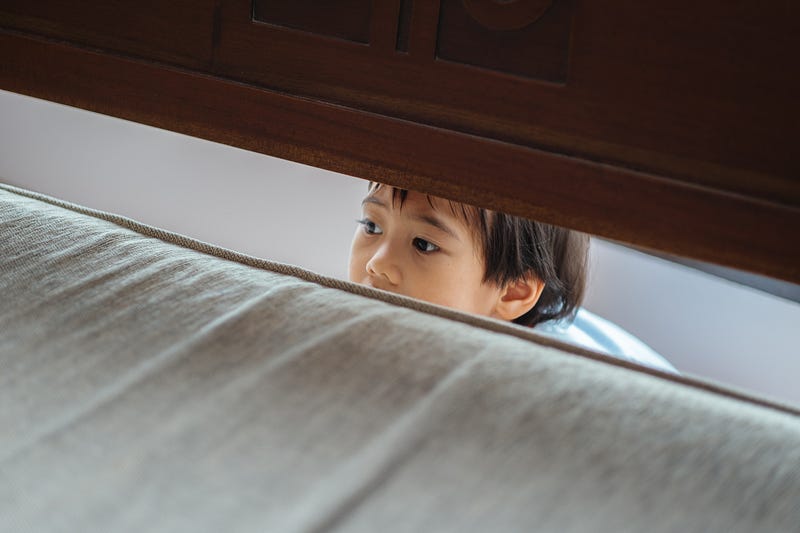
Emotional safety is the term you use when you feel like it’s safe to be yourself, voice your opinions, and live life on your terms. It means that you know people won’t judge you or suddenly turn on you if you don’t do as they say.
When you don’t have emotional safety, you end up walking on eggshells, constantly bracing yourself for the next explosion of rage because of some little thing you did. You sit there, realizing that the people around you could turn on you any moment.
A lack of emotional safety can be one of the most stressful things you could ever experience. It encourages you to act in a codependent manner. It makes you needy and insecure. And worst of all, it makes you feel like a scared little kid who needs a hug that you might never get.
Emotional safety is a must-have in any healthy relationship.
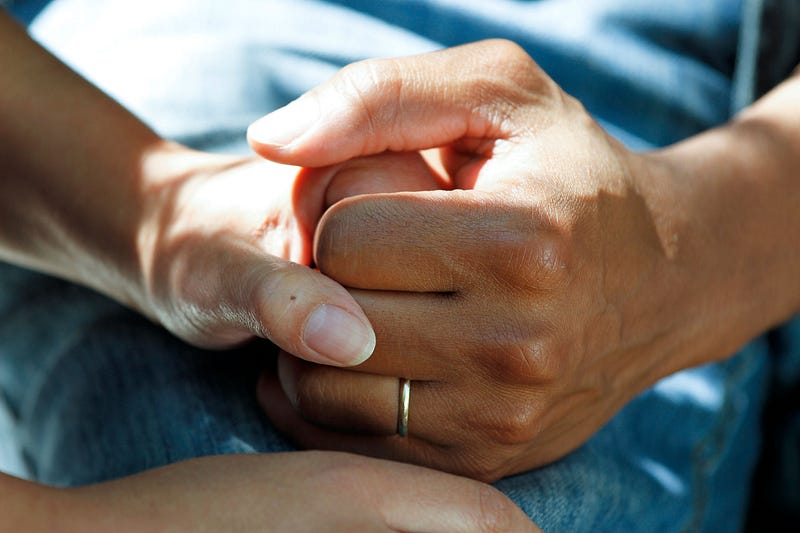
Most of my life was defined by me acting out, being needy, begging for approval, and eventually not being able to see much difference from being trafficked and my life at college. Yes, it was that bad. Why? I grew up with zero emotional safety. Zero.
Shocker, I ended up finding emotional safety in a group of hard drug users, thugs, and convicted felons. The more I hung out with them, the more I relaxed. The less I hung out with them, the more “college Ossiana” came back.
It took me getting laid off from my last office job and being surrounded by my homeboys to realize how important emotional safety really was. To this day, I treat my homies like my family, primarily because they gave me the love and acceptance my blood relatives often failed to give.
I found out about emotional safety from a trending keyword search for another client. And when I came across that term? Oh, I cried. I finally had a name for the issue I faced all my life. I was liberated, knowing it wasn’t only me.
Emotional safety is just as much of a need as physical safety. Not having that in your life has been linked to health problems, shorter life spans, and more. If you are surrounded by people who make you feel emotionally unsafe, you need to get out.
How can you tell if a relationship is emotionally safe?

So, I’m still learning about this due to the fact that I was underdeveloped in this arena. However, I can say this much about what it’s like to be in an emotionally safe relationship or friendship from what I’ve personally experienced:
- You do not feel judged when you wear what you want to wear or pursue your interests. If you worry that wearing the wrong clothing will push them away, it’s probably not an emotionally safe relationship.
- There’s always a feeling like you have someone in your corner, looking out for your interests. You don’t have to worry about a partner disparaging you or namecalling you in an emotionally safe relationship. They’ll always be there, rooting for you.
- You don’t have a problem talking about issues in the relationship with them. This is because you don’t have to worry about them lashing out at you or hurting you if you approach them with something.
- There is no need to act out or manipulate others in order to get attention. If you have to resort to screaming, triangulation, and inserting yourself into conversations, it’s not an emotionally safe relationship. Heck, it might not even be a relationship at all.
- The worry about being abandoned or left out isn’t there. In an emotionally safe relationship, you don’t have that need to hound people or beg for love. It’s given freely.
- You don’t feel like you have to walk on eggshells around your friend/partner/family member. It’s so much more peaceful than other relationships.
- Abuse is not present and neither is dangling commitment or acceptance as a prize to be won. This is actually a manipulation technique that abusers use to undermine emotional safety. If you have to vie for affection or commitment in your own relationship, you’re not emotionally safe.
Emotional safety is the measuring stick I use to figure out if someone is a friend or not. If you are not in an emotionally safe relationship, cut the other person off or limit your interactions with them. It’s just a matter of protecting yourself.


