
Emotional Safety: How to Protect Yourself From Emotional Abuse
Here is a guide for validating internal pain, taking the right next step, and overcoming limiting beliefs.

Do you regularly doubt or question yourself? Do you often feel inadequate? Have you stopped being creative altogether? You are not alone, and you are worthy of emotional safety.
Most have unprocessed trauma*, and many have hidden emotional abuse, over 10 million Americans each year (MentalHelp). *Trauma comes from a deeply distressing experience or experiences, and we all process differently.
Emotional abuse is a way to control using emotions to criticize, embarrass, shame, blame, manipulate.
Your pain is real, and it is physically damaging to your body and mental health (Elizabeth Hartney, psychologist). Emotional pain can often be worse than physical pain (Guy Winch, psychologist).
Having emotional and psychological* safety allows us to create authentically, perform our best at work, and become our fullest selves (HBR). *Emotional refers to feelings, while psychological is more about the mind. Experts often use the terms interchangeably.
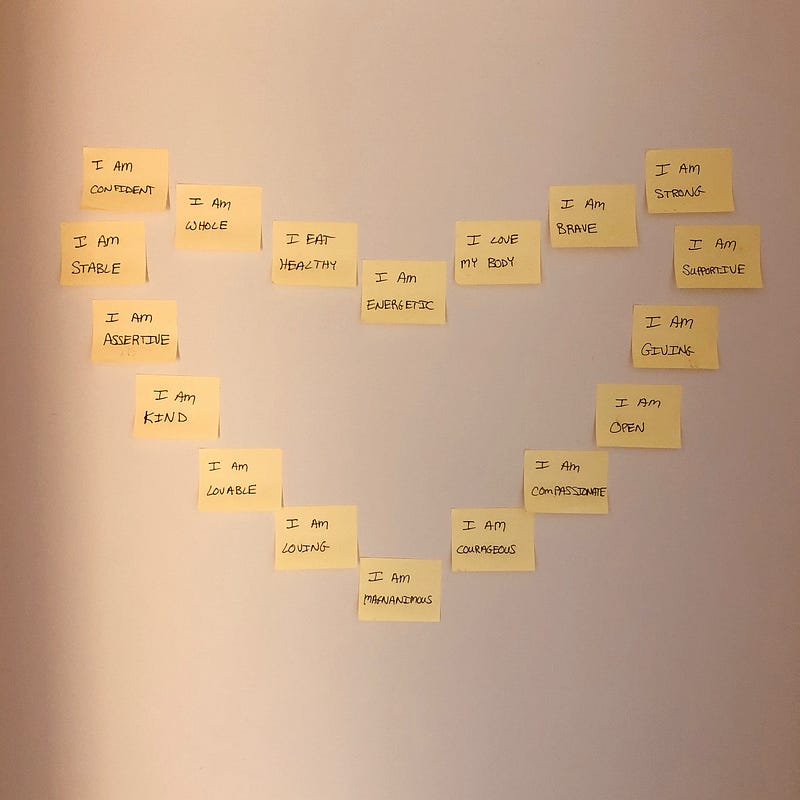
I have been unknowingly emotionally abused for most of my life. I have spent a long time feeling small and lonely. I experienced yelling, dismissing, name-calling, gaslighting*, judging, and criticizing from people I trusted. It’s tough for me to feel good enough. *Gaslighting happens when someone makes you question your reality.
We need to know that when we express ourselves, we will be heard and respected. We need to create emotional safety in our personal and professional lives.
Emotional safety has become a priority for me. I have been doing trauma therapy, life coaching, connecting with support groups, and reading several books and articles. I am learning to honor my feelings, unravel limiting beliefs, and create a fuller sense of Self. I am excited to share with you my takeaways and to encourage you on your healing journey.
Your emotional pain is real.
We need to take our emotional pain seriously and validate it, even when others do not. Unlike physical abuse, you cannot see emotional trauma. It’s easier to discredit and diminish your pain.
- Trust your feelings, above all else. Your feelings are what alert you to the unhelpful situation, especially when narcissism and gaslighting are involved. Your pain is valid, and trusting your emotions is essential.
- Validate your experience with research. We do not heal organically. We have to educate ourselves to create greater awareness and perspective of the situation. The analysis helps us to process internal damage and to prevent future abuse.
- Find professional help for further validation. Emotional abuse can be challenging to spot. It’s hard to believe that someone we love could be hurting us. Having professional assurance can often be the turning point, especially if you have some with a narcissistic personality disorder in your inner circle.
Do not wait for someone else to validate your pain and feelings. You have to start by acknowledging and honoring the pain yourself. If someone diminishes or compares your pain, that’s a clear sign that they will not be helpful along your healing journey.
Healing requires continued action.
When we own our healing journey, we stop being victims and start becoming survivors. Time does not organically heal our pain. We heal our pain through continued action, similar to healing a broken leg. Here are some ways to move forward on your healing journey:
- Get specific about the emotional abuse you are experiencing. What does it look like? Where is it coming from? Can I talk to the person about it? Will they respect my feelings? We need to get clear about the behaviors and situations that are not working.
- Find people who can relate to your experience. We often feel alone in our emotional abuse situations. We blame ourselves. We are not alone. Reading stories or talking with people who have had similar experiences feels validating.
- Make space for yourself to heal. Depending on the situation, you may spend less time with certain people or remove yourself from an environment. This space allows us to process trauma and to build self-compassion.
- Explore what boundaries help you to feel safe. Do you need to avoid specific topics? Do you need to avoid certain people? Spend time figuring out what you need to feel safe and make that a priority.
- Spend time with your reconnecting with your creative hobbies. If this sounds challenging, I recommend reading “The Artist’s Way” by Julia Cameron for creative recovery. Our creativity leads us to heal and forgive.
Take one step at a time. Don’t worry about the whole process. Remember to give yourself lots of self-compassion and physical and emotional warmth. You have been through a lot.
We need to overcome beliefs that keep us stuck.
You are on the right path. You are reading an article full of resources to understand emotional abuse and create emotional safety. Here are a few mindsets to keep in mind as you move forward:
- Your journey is your own, and no one else’s. We tend to want to help or change the people who abuse us. We hope they will finally understand if we explain how their behaviors hurt us. We have to accept that we cannot change anyone else, and we need to focus on ourselves.
- You do not need to earn love. Many victims of emotional abuse also struggle with codependency. We take responsibility for others’ emotions and work hard for relationships. You deserve two-way relationships.
- You are worthy of a happy, healthy life. Most people stay in abusive relationships because, deep down, they feel they deserve it. We need to intentionally build our self-worth and do activities that bring us joy. We can reconnect with our inner child.
- It’s not too late; you are right where you need to be. Getting out of unhelpful relationships can be messy. It takes a lot of work and feels discouraging. Remember to be kind to yourself and that every step in our journey is necessary.
- Your damage is not permanent. You can heal your pain and create a free, more authentic life. Survivors emerge with deep awareness, wisdom, and courage. The world needs to hear our unique voices and stories.
Closing Thoughts
We need to validate our pain, take action to protect ourselves, and challenge the beliefs that have kept us small. We need to question the shame that stops us from taking action. We need to share our stories and express ourselves.
Remember to be gentle with yourself and to honor all of your emotions. Remember that your coping mechanisms have kept you safe, and we need to respect those parts of ourselves as we let go and create healthier realities.
The world wants and needs us to be brave. No one deserves emotional abuse. It’s not okay; it’s unacceptable. We need to create emotional safety.
Recommended Reading:
- “5 Steps to Better Emotional Boundaries” — Psychology Today
- “Self-Compassion with Dr. Kristen Neff” — Action for Happiness
- “Are you codependent?” — Julia Kristina Counselling
- “What is emotional abuse?” — Very Well Mind
- “What is trauma?” — Medical News Today
I write inspiring, uplifting, and empowering content on transformative topics. Join the Weekly Love News on my website to receive creative offerings each week (Tuesdays) in your email inbox.