
Emotional Intelligence: The Key to Better Relationships
Navigating through the web of human connections, I’ve come to realize that the cornerstone of any meaningful relationship isn’t just shared interests or mutual benefits; it’s emotional intelligence (EI) — the ability to be aware of, control, and express one’s emotions judiciously and empathetically. It’s about recognizing the feelings of others, and this recognition has transformed my connections in ways I could never have imagined.
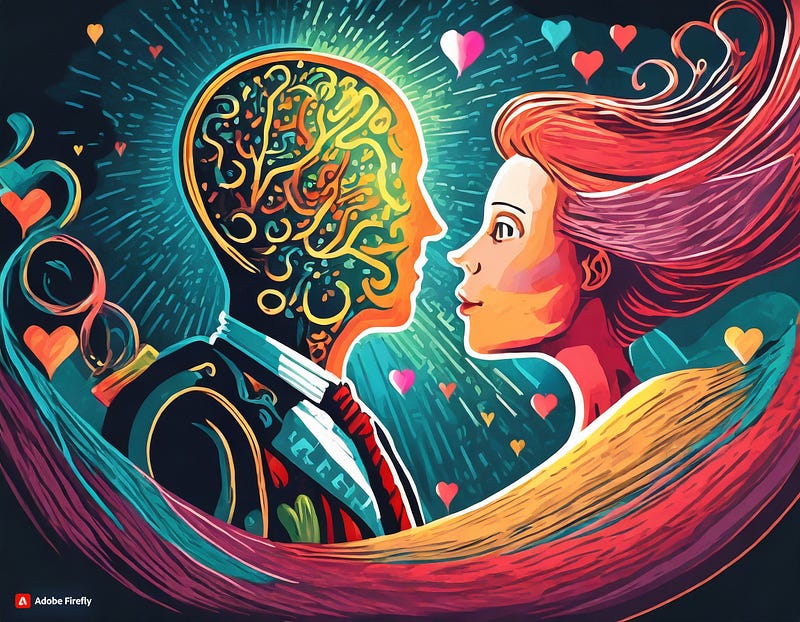
A Journey of Self-Discovery
My journey towards understanding EI began in my mid-thirties. Like many, I was entrenched in the corporate world, a place where IQ was often valued over EI. Success was measured in numbers, and the emotional barometer of the team was seldom acknowledged. It wasn’t until a pivotal moment with a colleague that I began to reassess this imbalance.
She was a hardworking individual, often staying late to ensure her work was complete. One evening, I casually remarked on her dedication, to which she replied with a strained smile. It struck me then — there was a story behind that smile. I invited her for a coffee the next day. As we talked, I discovered she was going through a tough time personally, and this job was her anchor. That conversation was a turning point for me. It was a profound lesson that behind the facades we wear, there’s a depth of emotions waiting to be acknowledged.
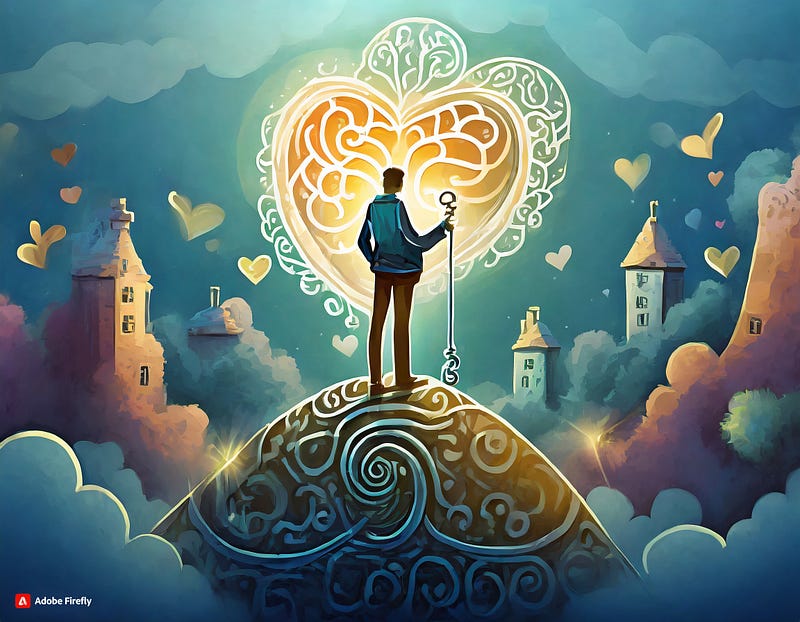
The Awakening
This encounter awakened me to the concept of EI. I dove into research, learning from thought leaders like Daniel Goleman, who argued that EI might be more important than IQ in achieving success. I started observing not just what my team was doing, but how they were feeling. Did they seem overwhelmed, anxious, or disengaged? Understanding their emotional state became as important as managing the project timeline.
The Dance of Empathy
Empathy, a critical component of EI, became my new rhythm. I realized that empathy isn’t just about understanding others’ feelings but being willing to experience them. When a team member was elated about a personal milestone, I celebrated with them. When another was mourning a loss, I offered a listening ear. This empathetic approach began to change the dynamics within my team. We weren’t just coworkers; we were becoming a supportive community.
The Art of Self-Regulation
Self-regulation was another art I had to master. Like many, I had my fair share of stressful days when everything seemed to go wrong. However, I began to consciously respond to these situations rather than react. Before addressing a mistake made by a team member, I would take a deep breath and remind myself of the times I had been in their shoes. This pause allowed me to approach the situation calmly and constructively, fostering a safer and more open work environment.
The Landscape of Motivation
My self-discovery didn’t stop with empathy and self-regulation; I realized that motivation also played a significant role in EI. I learned to identify what motivated me beyond salaries and titles. It was the desire to make a positive impact, to contribute to a cause greater than myself. This intrinsic motivation was contagious; it inspired those around me to find their ‘why’, enhancing our collective drive and passion.
Navigating Social Skills
As I honed my EI, my social skills also evolved. Communication became more than just the exchange of information; it was about connecting on a deeper level. I listened more than I spoke, and when I did speak, it was with intention and authenticity. Conflict resolution became less about winning and more about finding common ground, about understanding the different perspectives and working towards a solution that everyone could buy into.
The Tapestry of Emotional Intelligence
Embracing EI meant accepting that I was a perpetual student in the intricate tapestry of human emotions. It was a humbling experience to admit that there is always room to grow, to be more empathetic, to regulate my emotions better, and to understand others deeply. But it was also empowering. The more I practiced EI, the richer my relationships became.
The Alchemy of Relationships
It was through the alchemy of EI that I witnessed a transformation in my relationships. At work, my team became more cohesive and productive. At home, my relationships became stronger and more fulfilling. Friends and family started to open up to me in new ways, sharing their hopes and fears. These connections were no longer superficial; they were rooted in mutual respect and understanding.
The Unseen Challenges
The path of emotional intelligence is not without its challenges. There have been times when being emotionally attuned felt like a burden, especially when I had to navigate my own complex emotions while being there for others. But it is precisely through these challenges that the true power of EI is revealed. It’s not about being perfect; it’s about being present and authentic.
The Ongoing Symphony
As I continue my journey with EI, I am reminded that it is an ongoing symphony. Each interaction is a note that contributes to the harmony of my relationships. Sometimes the notes are joyful, other times they are somber, but they all have their place in the melody of life.
In closing, emotional intelligence has been the key to unlocking deeper, more meaningful relationships. It has taught me that the heart of connectivity lies not just in shared experiences but in shared emotions. Whether in the workplace or in our personal lives, cultivating EI can lead to a more fulfilled existence and a more compassionate world. It’s an investment worth making, a journey worth taking.
……………………
I hope you enjoyed this article! If you did, please consider following me, subscribing to my newsletter, and sharing it with your friends. Your support means the world to me.