
Mental Health | Relationships | Psychology
Emotional Insecurity, Defense Mechanisms And Disorders
An analysis of human behavior, bullying, and coping
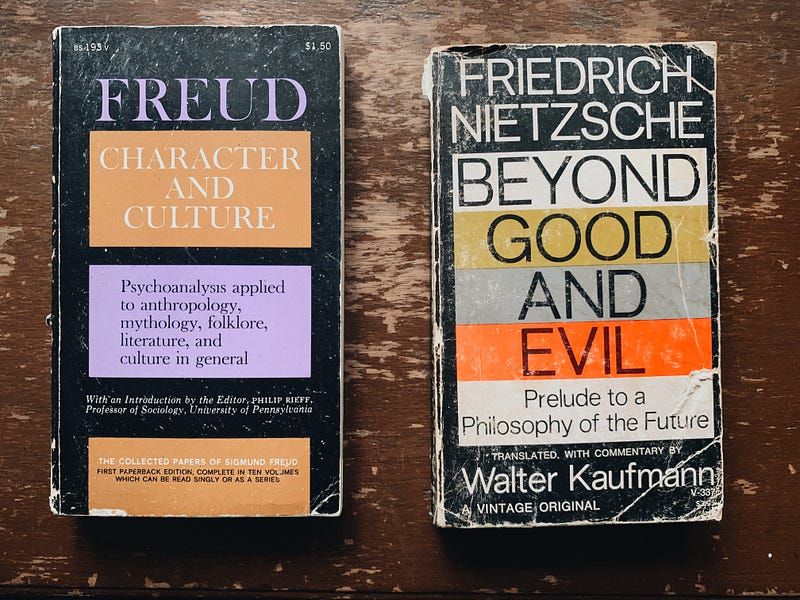
Being able to understand and control our emotions is described as emotional security. We have our goals, our perception of the world, and a good understanding of our own capabilities. We aren’t swayed by negative impacts from outside and can quickly regain our footing if we stumble.
“One of the greatest journeys in life is overcoming insecurity and learning to truly not give a shit.” ― J. A. Konrath
Emotional security is understood as a part of what’s called emotional resilience, the ability to endure a stressful situation or crisis, and quickly fall back into pre-crisis behavior. Someone who is emotionally secure and resilient will recover more quickly from PTSD or other negative effects of a stressful situation or crisis as someone who is emotionally insecure.
Emotional insecurity
Emotionally insecure people on the other hand often develop unhealthy behavioral patterns, such as arrogance, aggression, or even bullying. When faced with a crisis, this can leave marks on their psyche. They will have difficulties coping with the events and in some cases develop paranoia when confronted with similar events in the future.
People tend to try and counter their emotional insecurity by developing controlling personality types, often called “control freaks”.
Abraham Maslow described insecure personalities as follows:
“…perceives the world as a threatening jungle and most human beings as dangerous and selfish; feels a rejected and isolated person, anxious and hostile; is generally pessimistic and unhappy; shows signs of tension and conflict, tends to turn inward; is troubled by guilt-feelings, has one or another disturbance of self-esteem; tends to be neurotic; and is generally selfish and egocentric.” — Maslow, 1942, pp 35
When coping with negative events, an emotionally insecure person will be triggered into a multitude of psychological defense mechanisms, such as denial or rationalization.
Cognitive dissonance
Both these defense mechanisms are closely tied to what’s called cognitive dissonance. When the world view or understanding of someone is challenged by a contradictory perspective that provides evidence, cognitive dissonance occurs. This means that they feel directly and emotionally challenged in the face of this “external truth”. The new truth and their own perceived truth are in dissonance, they don’t match up and can’t coexist.
Rather than accepting the evidence and adapting to the new truth, they hold on to their beliefs and ideals, often dismissing the evidence as simply “false”. They don’t argue and instead raise their own world view onto a pedestal, making it the only acceptable truth.
Our perception of self and our behavior in relation to internal and external stimuli is called the ego. Defense mechanisms are in place to protect our ego from negative emotions, anxiety, or harm.
Common defense mechanisms
The American psychiatrist George Eman Vaillant has studied the defense mechanisms of our ego, based on the works of Sigmund Freud about the Id, the ego and the super-ego, and has classified them on a 4-level scale, ranging from pathologic (abnormal behavior) over immature, neurotic, and finally mature defense mechanisms.
He classified them in regard to their social impact and possible negative consequences.
There are many distinct defense mechanisms, some more preferable over others. I’ll pick a few common ones in regards to emotionally insecure people.
Splitting (Category 1, pathological)
Splitting is more commonly known as “black-and-white-thinking” and describes the inability to perceive both the good and the bad in oneself and others. Someone who splits is unable to unify both traits and tends to see only one side at a time. People like this tend to glorify you in one minute, then vilify you in the next, completely ignoring your past achievements or good traits.
Splitting can cause unhealthy relationships, due to the person being incapable of controlling their emotions, being caught up in sudden mood swings and contradictory behavior.
Denial (Category 1, pathological)
Denial is the act of refusing an external reality that is perceived as hurtful or threatening. Someone in denial will claim that “it does not exist” or “it’s nonsense”.
“It takes a lot of courage to face up to things you can’t do because we feed ourselves so much denial.” — Zoe Saldana
Denial is often the first response to cognitive dissonance and uses illogical behavior to protect the individual. An alcoholic will deny his addiction when called out. Someone who is unhealthily eager in supporting his favorite soccer club will react with denial when his behavior is openly described as zealotry.
Passive-aggressive behavior (Category 2, immature)
Passive-aggressive behavior consists of passive actions in order to disrupt an environment. Not responding when a response is expected or procrastinating are two forms of passive-aggressive behavior.
Passive aggression is often a sign that someone is unable to deal with their own negative emotions. They avoid confronting themselves through such behavior. Passive-aggressive people often tend to “play the victim”.
Projection (Category 2, immature)
Projection is a complex defense mechanism and can in some cases be considered a primitive form of paranoia. Someone who projects, tends to perceive external dangers and threats with extreme hypervigilance, meaning they monitor a threat closely and alert their peers immediately when danger is assumed to rise again.
This mechanism tries to cope with past events by preparing beforehand for future events of a similar scope.
Projection is also the main form of bullying, where a bully projects his or her own insecurities onto the victim.
Another form of projection is “victim-blaming”, in which someone criticizes a victim for having given the perpetrator a reason or justification for their behavior.
Displacement (Category 3, neurotic)
Displacement describes the shift of one’s emotions and impulses towards a less threatening target. In easier words, because someone is afraid of the big, muscular guy, they redirect their aggression towards the skinny, helpless-looking guy.
This behavior is often seen in bullies but can manifest in other people too. If someone feels threatened by a person they perceive as superior, they may redirect their aggression and frustration to someone they perceive more manageable in order to avoid confronting the person they fear. For example, someone who had a heated argument with his boss may come home to discharge his frustration towards his wife.
Another form of displacement is the displacement of negative emotions or attributes. Someone might discover a negative characteristic in themselves, which they can’t accept. They now try to attribute this characteristic to someone else, blaming them for having it.
This mechanism aims to excuse and justify the behavior of the person displacing it.
Rationalization (Category 3, neurotic)
This defense mechanism works closely with denial, but instead of simply calling an external truth “nonsense”, they now try to find believable justifications to prove it. The alcoholic from our denial example may try to say that he’s been drinking a lot less recently, or that he does not drink as much overall.
The overly engaged soccer fan may justify his behavior by calling it “simple passion” or trying to point at other people who engage in hobbies and activities, claiming that he’s no different.
“The proud do not change to improve, but defend their position by rationalizing. Repentance means change, and it takes a humble person to change.” — Ezra Taft Benson
Another form of rationalization can be observed after someone made an error or mistake. They tend to rationalize, instead of admitting their mistake, by picking from the circumstances. For example, they could argue that “keeping an error secret” would be the best course of action, since the error happened anyways and disclosing it would only cause more trouble.
While all of the above defense mechanisms are counted as “unhealthy” and “not preferable”, there are a few healthy defense mechanisms of category 4.
Humor (Category 4, mature)
Humor is in fact a defense mechanism, and one of the healthiest ones at that. While some things may be uncomfortable to talk about directly, covering them in a humoristic approach can make it easier. The stress of a situation or event will not fully mitigate through humor, but it allows for a healthy discussion by adapting witticisms and jokes into the topic.
The strongest form of humor makes use of self-deprecation, the act of belittling oneself. It was also a topic in Stoicism, where a situation in which one gets insulted by others can easily be disarmed by adding even more insults to oneself.
“Humor can help you cope with the unbearable so that you can stay on the bright side of things until the bright side actually comes along.” — Allen Klein
People who can laugh about themselves often have very healthy emotional security. In some circles, self-deprecation is seen as a form of modesty and considered a virtue.
Altruism (Category 4, mature)
Altruism too is considered a defense mechanism to cope with negative emotions. Just like humor, altruism is a beneficial approach that brings joy to others and allows a positive use of negative thoughts and emotions. The person draws satisfaction, joy and a sense of accomplishment from helping others in an altruistic manner.
Altruism often stems from a psychological development in which the individual realigns and overcomes past emotional insecurities, now using the momentum by helping others.
But if taken too far, altruism can become dangerous for the altruist themselves. Known as “pathological altruism”, this means the altruist fully neglects themselves in the process of helping others.
Dealing with emotional insecurity
Emotional insecurity can manifest in a lot of ways. But someone who learns to actively confront their fears and emotions can deal with them in a healthy manner. He will lose negative traits such as pride and be able to laugh about himself. Instead of self-criticism, he’ll discover self-deprecation.
Insecure people tend to deny their insecurity, though they are well aware of their own feelings.
And bullies too, are often the victims of their own incapability to deal with stress and negative emotions.

If you face someone showing behavior as described here, know that they only act out of their own insecurities and fears. Even if they reassure you that they are well in charge of their own mind, they are not. Mentally, they are incapable of coping or dealing with their own emotions and feelings. A bully holds no power unless you give it to him. If you push back, the bully will break in the face of what he aspires to be.
Kevin is an editor and writer for the ILLUMINATION and Polyglot Poetry publications. Follow him on Twitter and LinkedIn.


