
Emily Dickinson Doesn’t Need a Makeover
Her Life Choices Speak for Themselves
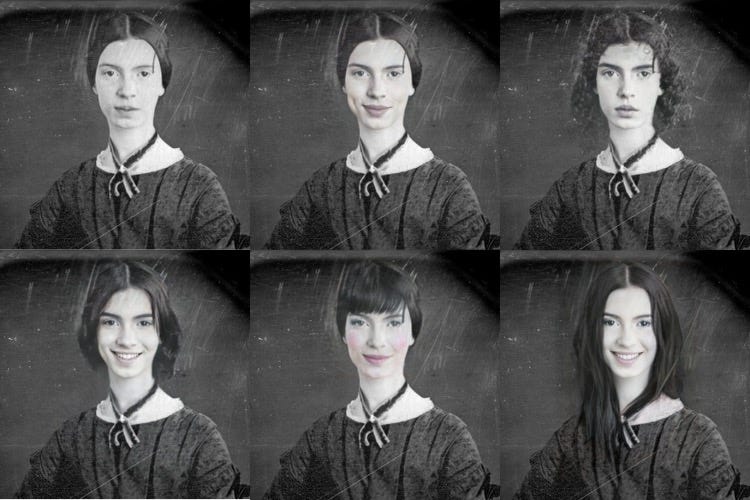
Even though shows like Apple TV’s recent Dickinson are a fun romp, and it’s cool to reimagine Emily Dickinson through a contemporary lens, the Belle of Amherst doesn’t need a romanticized Hollywood makeover or a goth girl redo. She’s triumphant in her own right. We do artists a disservice when we dismiss their lives as tragic or decide they need a spit-shine because they struggled in human ways or made choices we find uncomfortable. Emily Dickinson had long periods of productivity and fulfillment. We miss the joy of her personal growth, resilience, and healing when we don’t acknowledge that truth as the cornerstone of her story.
The Freedom of Solitude
Emily Dickinson chose to lead a secluded life, but what if this was not a source of profound unhappiness? In her letters to friends and family, she expressed her contentment with the solitude of her father’s home. In a letter to her close friend, Abiah Root, she wrote, “The hills I feel so close to, the birds are so sweet in the morning, and I love the silent garden. It’s my world, my peace.”
The poet’s niece, Martha Dickinson Bianchi, recounts a conversation with her aunt in which Emily described her room as “Freedom.” Martha writes in her book “Emily Dickinson Face to Face: Unpublished Letters with Notes and Reminiscences,” that she asked her aunt if she had ever wanted to travel and explore the world, and Emily replied, “I never had a thought about it, for my thoughts were always here. My room is my freedom always. My beautiful room.” This exchange reflects the poet’s deep attachment to her room and her strong sense of creative freedom within the confines of her own space.
The Love for Writing
Emily Dickinson was not just a prolific writer but deeply passionate about her craft. She found happiness in the process of writing itself, as demonstrated by the fact that she wrote almost two thousand poems. In her correspondence with Thomas Wentworth Higginson, a literary critic, and a frequent correspondent, she expressed her joy in writing, stating, “If I read a book and it makes my whole body so cold no fire can ever warm me, I know that is poetry. If I feel physically as if the top of my head were taken off, I know that is poetry.” Her letters reveal that her creativity was not driven by a quest for external recognition or writing as a means to an end but by an internal need to explore her thoughts and feelings. This intrinsic drive brought her immense happiness.
No Desire for Publication
Contrary to the belief that Emily Dickinson longed for mass publication, she remained ambivalent about distributing her work to the wider world, though she did enjoy sharing her poems with a small circle of family and friends. In a letter to Higginson, she wrote, “Publication is the auction of the mind of man.” This statement suggests her reservations about the commercialization of her poetry. Some have claimed that she requested her maid, Margaret Maher, destroy her work after her death. Rather than seeking fame and fortune, she found contentment in creation. It was the process, not the outcome, that brought her joy. This unique perspective counters the notion that she was a discontented recluse pining for recognition.
Embracing the Freedom of Singularity
Emily Dickinson remained unmarried throughout her life, a choice it appears she made deliberately. This singularity was not a source of sorrow but a testament to her independence and freedom. She appreciated the liberty to focus on her creativity without the constraints of domestic life. In a letter to her close friend Susan Gilbert Dickinson, she wrote, “The Single Haste has not room for love — The Single Life — as Love.” This passage illustrates her belief that being single gave her a sense of freedom and personal fulfillment that she would not have achieved within the confines of marriage. Married women at the time typically had limited autonomy or control over their lives, and it was not considered a woman’s primary role to engage in intellectual or creative work. Thus, her single life was a choice that brought her happiness, not loneliness.
Engaging in Pleasurable Activities
Emily Dickinson did not spend her days in solitary confinement, brooding over her poems. On the contrary, she engaged in projects that brought her joy. Gardening, for instance, was one of her favorite pastimes. In a letter to Susan Gilbert Dickinson, she expressed her delight in the garden: “Gardens are a gift to our hearts and a relief to our eyes.” In a letter to her friend Abiah Root, she wrote, “Happiness is the only good. The time to be happy is now. The place to be happy is here. The way to be happy is to make others so. This being and doing is all there is to a Garden. Yes, indeed, I love a garden!” Her garden gave her solace and inspiration, reinforcing that she was not a sad recluse but a woman who reveled in her pursuits.

In addition to her love for writing and gardening, Emily had an ardent passion for botany, which she expressed through her countless hours studying and cataloging plants and her herbarium, a collection of over 400 pages of pressed and dried plant specimens.
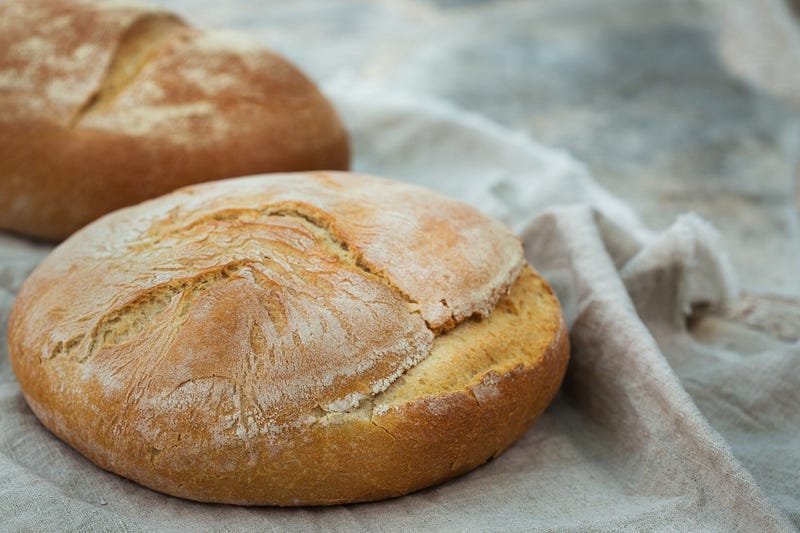
Baking was another activity that Emily Dickinson enjoyed. She often shared her culinary creations with friends and family, spreading happiness through her delicious treats. In a letter to her cousins Louise and Frances Norcross, she wrote, “I made two cakes this week and a peach pie. I suppose that you’re not sorry you were not here.” She often baked gingerbread for neighborhood children, once called two identical loaves of bread “the glory” and there are many drafts of her poems written on the backs of kitchen wrappers and recipes — a testament that she felt comfortable and creative in the kitchen. Her love for baking highlights her ability to find happiness in life’s simple pleasures and her desire to share that joy with her loved ones.
Myth of Loneliness
Despite the prevalent myth of Emily Dickinson as lonely and unhappy, her letters and correspondences provide a compelling counter-narrative.
So often, we try to measure happiness by our social interaction or through some external validation. However, Emily Dickinson’s life may offer us a different perspective that emphasizes that social isolation is not the same as loneliness. We can achieve personal contentment through the joy of creation and the freedom to live life on one’s terms. The evidence from her letters and correspondences paints a vivid picture of a woman who found happiness by defying the stereotypes that persistently shrouded her and may even shroud many of us today as we struggle to connect in an increasingly isolated world.
It’s essential to recognize that happiness can take various forms, and traditional standards — whatever they may be for the time, may not apply to everyone. Emily Dickinson’s unique and authentic pursuit of happiness should serve as a reminder that there is no one-size-fits-all definition of how to lead a fulfilling life.
If you enjoyed this article and want to support my writing, follow me on Instagram, or to connect via one of my art workshops, click this link.


