
Emergent Relationships In The Cryptoverse — Why Bitcoin Is The New Gold Standard
Theories That Demonstrate How The Rise Of Cryptocurrencies (And Independent Wealth) Are Linked To The Downfall Of Traditional Banking
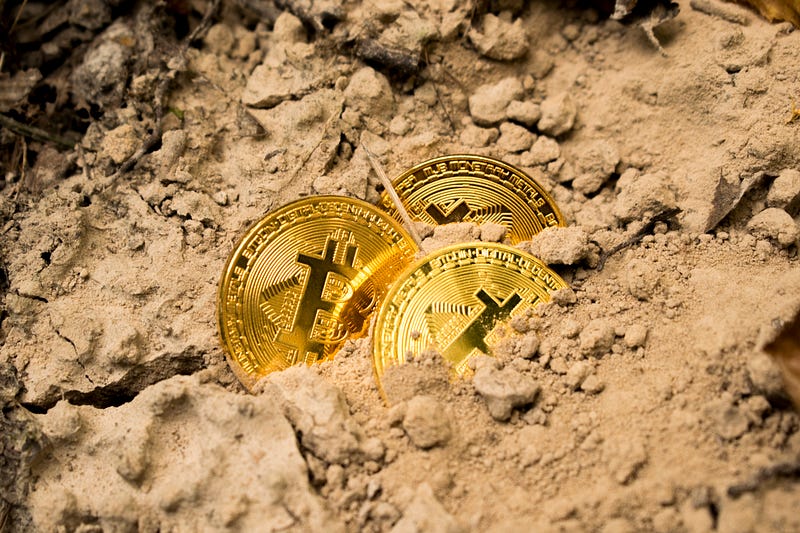
It is buried in the deep web. It has reached an astronomical value (as we speak). It is limited-issue (like the element Aurum itself).
We really do not need to revisit exactly why Bitcoin can be compared, at least at a philosophical level, to the transactional veteran status of Gold (the actual element). Starting from its initial rally days between 2010–2013, to the BTC rush of 2020, we have seen the coin emerge as the frontrunner of the cryptocurrency ecosystem and the unpredictable muse of day-trading folk, many of whom still hold the (albeit “reserved”) opinion that “It might be a bubble”.
Here’s Why Bitcoin Is Not A Bubble

The banking system is driven largely by the need to monitor and regulate transactions. Historically, the task has been handed down by the initial “bankers” and banking families of London & Switzerland, to the ‘downtown’ corporate lobbies of Manhattan, Chicago, and Paris, and then finally ‘outsourced’ at the early stages of the twenty-first century, to the “barely white” collar category of workers in India, Philippines, and the rest of South East Asia.
No, seriously.
That’s what the enormous “backbone” of the trillion-dollar global banking ecosystem boils down to. Cheap manual labor that works day-in and day-out, billing hours for a job that can be done 100% more efficiently by a computer. Nation states like India have witnessed political revolutions against the idea of digital automation, relayed by fears of “losing jobs”.
The deeper reality at play here, is much more interesting and inspirational than just “loss of jobs”. Fortunately, as a country that witnesses massive communal campaigning and distorted manifestos every election season, India has also learnt to appreciate the subliminal mockery of truth in almost the entirety of its political and publicly emotional discourses.
It was never about the loss of jobs.
The cryptocurrency era is a harbinger of change when it comes to the end of the banking industry. It has been on the cards for a few decades now, and the emergence of Bitcoin and Dogecoin are only testaments to the fact that the banking industry will no longer find it profitable to put millions of people in its employ. The scale and nature of global transactions are changing at such remarkable pace, that it is almost impossible for the traditional banking industry (represented at large by fiat currencies) to keep up with these advancements.
Sure, in countries like India, aging pillars of a crumbling symbol will fight till the bitter end (or maybe not), and in the process, will try to mimic the outward glamor (at least the part it can understand) of cryptocurrencies to create pseudo-alternatives. But as long as that system is supported by manual labor, it will represent a redundant part of human civilization, and is hence doomed to fade out.
The Rise Of Independent Wealth
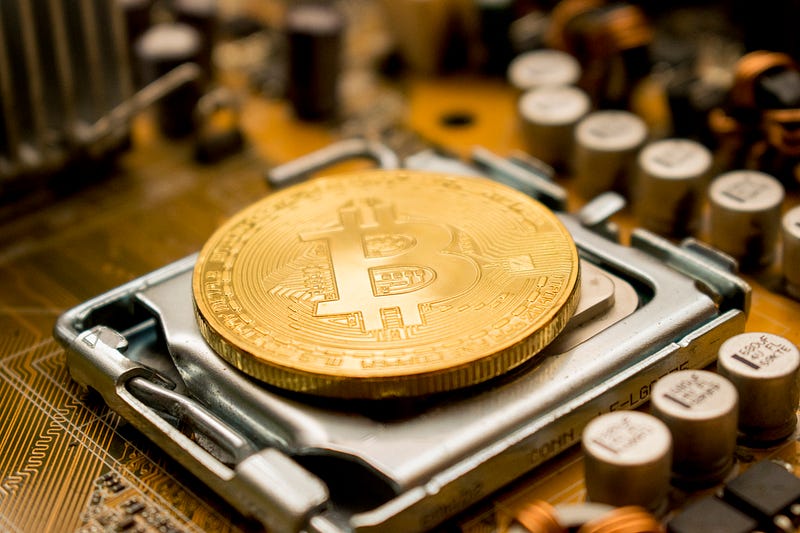
Since Bitcoin (and other cryptocurrencies) represent the peer-to-peer computing infrastructure required to facilitate and record transactions, there will be no need for the ‘banker’ and the ‘currency’ to be two separate things. Once the human face of the banker gets eliminated, cryptocurrencies (it’s fair to assume they’ll just be called currencies by then), will represent the true identity of money — as a tool of measurement of wealth, independent from the effect of its unit of measurement.
Today, we live in a world where our idea of wealth is governed by many other things than the real value of our effect on people and the things we own are all valued against a standard that is controlled by a host of factors other than our own skill and levels of happiness.
The concept of money is best represented in a system where the idea of monetary ‘trust’ is not limited to the levels of compatibility between different banking systems. The fact that banking will die as a profession, is forever linked to the emergence of truly independent wealth management systems, with Bitcoin being the gold standard.
P.S. The author of this article owns a laughably minuscule amount of BTC.