avatarAlexander Verbeek

Free AI web copilot to create summaries, insights and extended knowledge, download it at here

3227

Abstract

coniferous trees. Their fresh appearance contrasted with the darker greens of last year’s growth that had already endured a harsh Canadian winter.</p><figure id="b4e7"><img src="https://cdn-images-1.readmedium.com/v2/resize:fit:800/1*mSYuKGZUbQbMiWF8Fmz4DA.jpeg"><figcaption>Dandelions</figcaption></figure><p id="a570">I wrote in a recent article that beauty is everywhere if you look for it. Take the humble dandelions, often overlooked by passersby. Of course, they were everywhere, but just to make my point, I photographed one on the side of the road, where nature proved its mastery in the adaptation to human interference in nature by letting a dandelion grow in the tiny crack between the asphalt and the pavement.</p><figure id="88fa"><img src="https://cdn-images-1.readmedium.com/v2/resize:fit:800/1*NwIHYHo6cAhPR2JSjxuBew.jpeg"><figcaption>Dandelions (“blowballs”)</figcaption></figure><p id="e155">I noticed them in various stages, from their bright yellow blooms dotting the grass to their transformation into blowballs, with grayish-white parachutes ready to embark on their journey with the wind. They look so much alike the ones in the dunes on the Dutch island that I just searched the internet to find out if this is indeed the same species.</p><p id="85d4">I found on Wikipedia that the two most commonplace species worldwide, the common dandelion you see in this article’s photos and the red-seeded dandelion, were introduced from Europe into North America, where they now propagate as wildflowers. The website also confirmed what I had heard from several people: these plants are edible. Fun fact: <i>dandelion</i> comes from the French dent-de-lion, meaning the lion’s tooth.</p><figure id="7ba6"><img src="https://cdn-images-1.readmedium.com/v2/resize:fit:800/1*ZMNpefjFAJHCv4SMlhggcA.jpeg"><figcaption>The Ottawa River with the Prime Minister’s residence on the left.</figcaption></figure><p id="88c8">During a brief pause on my walk, I overlooked the Ottawa River. In the distance, to the left, stood the residence of the Prime Minister. On the other side of the river that marks the boundary between Ontario and Quebec, I saw Gatineau, forming a kind of twin city with Ottawa.</p><figure id="a3ab"><img src="https://cdn-images-1.readmedium.com/v2/resize:fit:800/1*yGZAY6W6wa8AWswtLTdtwg.jpeg"><figcaption>Lilacs</figcaption></figure><p id="4581">Lilacs adorned the landscape, their light purple hues, or I suppose Lila is more appropriate for Lilacs, providing a fragrant and colorful backdrop to the serene view. Like the dandelions, they also look precisely like in Europe, but this one is easier to explain; they are native to the rocky hills of the Balkans. Its beauty made it popular for cultivation, so the plant is now naturalized in parts of Europe, Asia, and North America. You sometimes also find them in the wild, but that is often close to habitation or places where people have lived.</p><figure id="4654"><img src="https://cdn-images-1.readmedium.com/v2/resize:fit:800/1*9EkVaflGnhR99kZLJSoEFQ.jpeg"><figcaption>Woodpeckers at work</figcaption></figure><p id="3f1b">Although I walked on a road, there was still a lot to see of nature’s creatures that had left their marks. I noticed sev

Options

eral trees with holes, evidence of the busy work of woodpeckers; I captured one of these trees in a photograph.</p><figure id="e11d"><img src="https://cdn-images-1.readmedium.com/v2/resize:fit:800/1*IJSf2H6Wr-UwJ1rAEs8L4Q.jpeg"><figcaption></figcaption></figure><p id="4bad">Continuing on my path, I passed a park pavilion, but I don’t know anything about its history and purpose.</p><figure id="5be2"><img src="https://cdn-images-1.readmedium.com/v2/resize:fit:800/1*A-3w3a4L-0Uxawo7zPTfAw.jpeg"><figcaption>Can you see the “maple leaf” in the tulip?</figcaption></figure><p id="5028">The last photo I took during my short walk was a beautiful tulip created by the Dutch to look like the Canadian flag. It was the official flower of Canada’s 150th anniversary in 2017. As you can see in the photo, its pristine white petals are adorned with intricate red markings, resembling the iconic Canadian maple leaf.</p><p id="492c">I won’t make a habit of writing about the most unremarkable walks, especially not while I still have so many more stories to share of recent travel to the Grand Canyon, New York City, and elsewhere. But if you made it to the end as a reader, I would like to share as a last thought how photography and writing leave me full of gratitude for the simple joys of beauty in our world, found during a leisurely stroll to test my new shoes. I hope I did share a bit of that experience with you, especially the appreciation of the small wonders of nature.</p><p id="ec17"><b>If you find articles like this valuable and want to support my work, consider signing up to Medium. It’s $5 a month, giving you unlimited access to all my articles AND all stories on Medium. If you sign up using my <a href="https://medium.com/@Alex_Verbeek/membership">link</a>, I’ll earn a small commission, at no additional cost to you.</b></p><div id="9364" class="link-block"> <a href="https://medium.com/@Alex_Verbeek/membership"> <div> <div> <h2>Join Medium with my referral link - Alexander Verbeek</h2> <div><h3>Read every story from Alexander Verbeek (and thousands of other writers on Medium). Your membership fee directly…</h3></div> <div><p>medium.com</p></div> </div> <div> <div style="background-image: url(https://miro.readmedium.com/v2/resize:fit:320/0*JroGpr76jiJHMgHp)"></div> </div> </div> </a> </div><div id="4e1d" class="link-block"> <a href="https://readmedium.com/the-colorado-river-a-modern-pilgrimage-through-natures-wonder-32d87d8b2d95"> <div> <div> <h2>The Colorado River: A Modern Pilgrimage through Nature’s Wonder</h2> <div><h3>I found myself standing on the banks of the Colorado River, admiring the mesmerizing beauty of nature and the river’s…</h3></div> <div><p>medium.com</p></div> </div> <div> <div style="background-image: url(https://miro.readmedium.com/v2/resize:fit:320/1*6TIyvCJJBbFbntj5ANAB4Q.jpeg)"></div> </div> </div> </a> </div></article></body>

Embracing the Beauty in the Ordinary: A Stroll through Ottawa’s Serene Spring
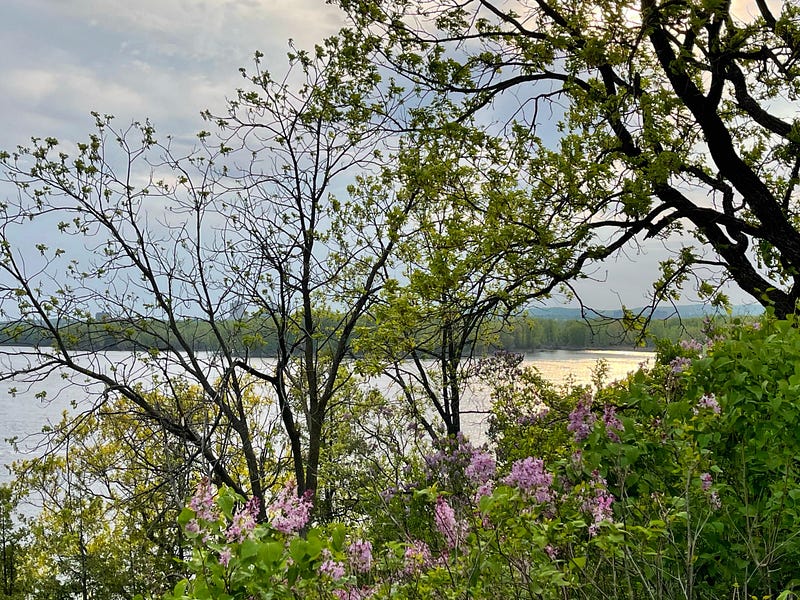
Looking from Ontario to Quebec over the Ottawa River (all photos in article by the author)

What happens if you keep your eyes open for beauty during an unremarkable short walk? I tried that this evening and the result is this article. See it as half an hour of my life that I would typically not mention and would soon entirely forget about forever. But since I looked for beauty, I found it, and let me share it with you.

A box with new walking shoes had arrived by mail, which convinced me to go for an early evening walk in the neighborhood. They were precisely the same shoes that I bought a year ago. But then I compared the new and the old ones. The first thing I noted was that the brown color on the old shoes was gone, and it was now a shade of grey. And when I turned them around, I was reminded of the main reason for ordering new shoes: the profile of the shoe soles that had helped me cross the Pyrenees mountains a year ago had nearly completely disappeared.
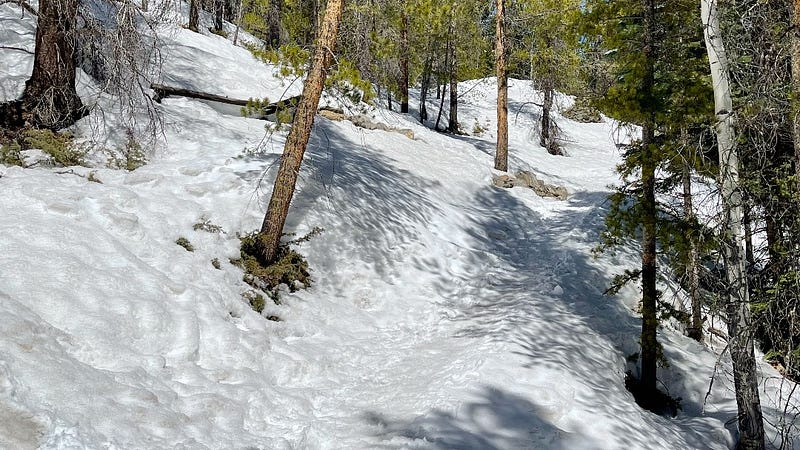
As far as I could walk on those shoes in Rocky Mountains National Park.

I noticed that last month in Rocky Mountains National Park, where I had left my car at the point where the park was closed to traffic because of the winter conditions. And from there, I hoped to hike closer to the source of the Colorado River. That was never a good idea on summer hiking shoes that aren’t water resistant and are promoted for warm weather conditions because of their excellent ventilation.

Soon my feet got wet, but I continued until I reached the point where the only way forward was a small trail up the snowy hill. There was no way I could get up with my shoes that had lost all profiling; I just slipped down with every step to the point where I started.

But for a while, I play with the idea of walking again this summer. So this evening, I put on my new shoes and walked briefly to test them. Just a stroll along the Ottawa River, and I didn’t go far since I was soon driven home by over-enthusiastic mosquitoes, happy to meet me or eat me wherever I got close to greenery on this serene, windless evening.

My new shoes felt precisely like their predecessors, which had proven capable of withstanding the long journey from Saint-Jean Pied de Port in the French Pyrenees to Santiago the Compostela. An 800-kilometer walk (500 miles), of which I walked about 700 last summer. Forest fires kept me from a 95-kilometer stretch, making me feel I still have to complete that part.

As I ventured out, I wondered if the other people in the street also noticed and admired the vibrant signs of spring that greeted me at every turn. The trees have sprouted new leaves, and I enjoyed seeing the light green youngest generation of needles on the coniferous trees. Their fresh appearance contrasted with the darker greens of last year’s growth that had already endured a harsh Canadian winter.
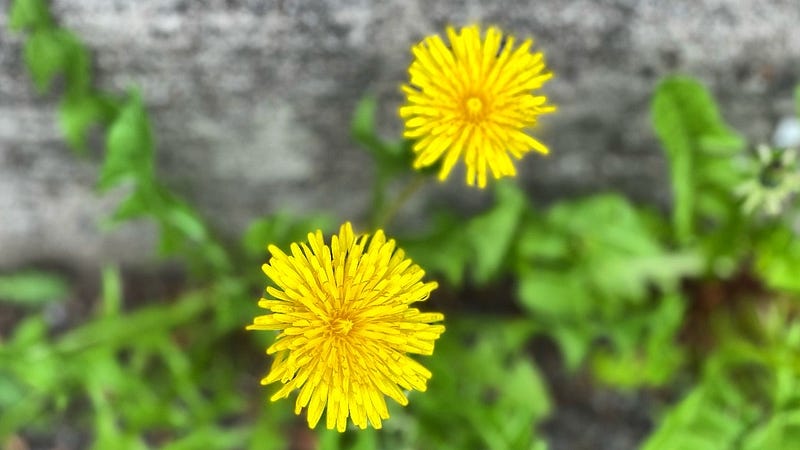
Dandelions

I wrote in a recent article that beauty is everywhere if you look for it. Take the humble dandelions, often overlooked by passersby. Of course, they were everywhere, but just to make my point, I photographed one on the side of the road, where nature proved its mastery in the adaptation to human interference in nature by letting a dandelion grow in the tiny crack between the asphalt and the pavement.
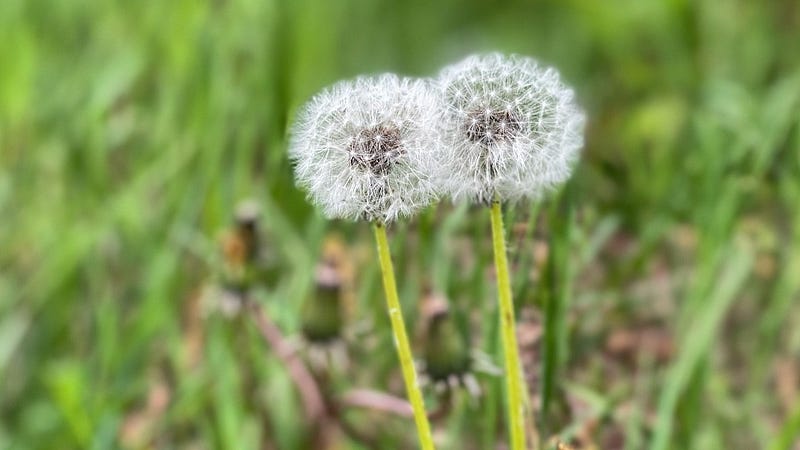
Dandelions (“blowballs”)

I noticed them in various stages, from their bright yellow blooms dotting the grass to their transformation into blowballs, with grayish-white parachutes ready to embark on their journey with the wind. They look so much alike the ones in the dunes on the Dutch island that I just searched the internet to find out if this is indeed the same species.

I found on Wikipedia that the two most commonplace species worldwide, the common dandelion you see in this article’s photos and the red-seeded dandelion, were introduced from Europe into North America, where they now propagate as wildflowers. The website also confirmed what I had heard from several people: these plants are edible. Fun fact: dandelion comes from the French dent-de-lion, meaning the lion’s tooth.
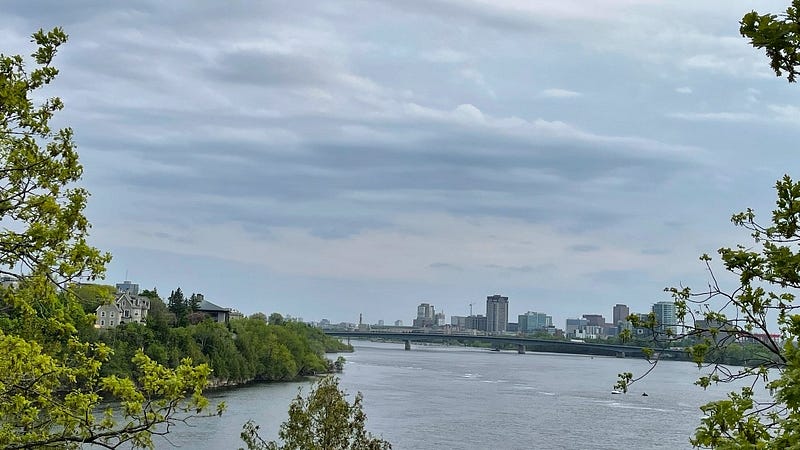
The Ottawa River with the Prime Minister’s residence on the left.

During a brief pause on my walk, I overlooked the Ottawa River. In the distance, to the left, stood the residence of the Prime Minister. On the other side of the river that marks the boundary between Ontario and Quebec, I saw Gatineau, forming a kind of twin city with Ottawa.
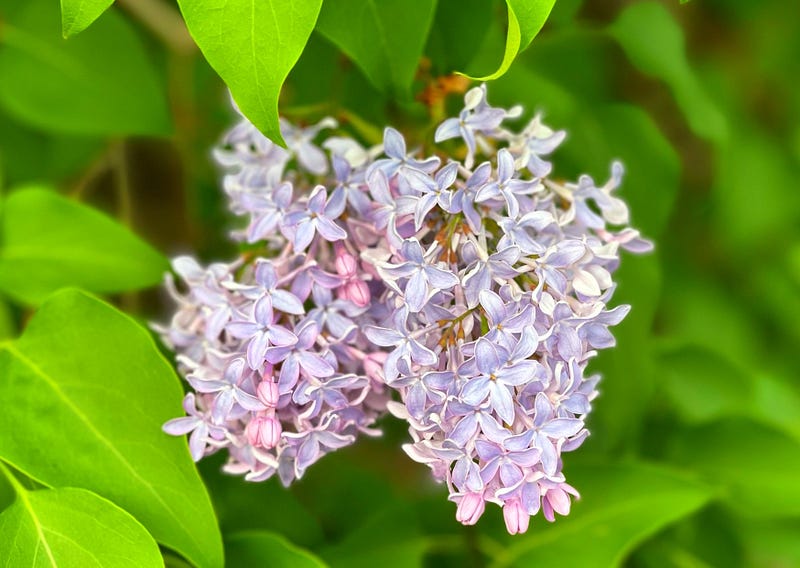
Lilacs

Lilacs adorned the landscape, their light purple hues, or I suppose Lila is more appropriate for Lilacs, providing a fragrant and colorful backdrop to the serene view. Like the dandelions, they also look precisely like in Europe, but this one is easier to explain; they are native to the rocky hills of the Balkans. Its beauty made it popular for cultivation, so the plant is now naturalized in parts of Europe, Asia, and North America. You sometimes also find them in the wild, but that is often close to habitation or places where people have lived.
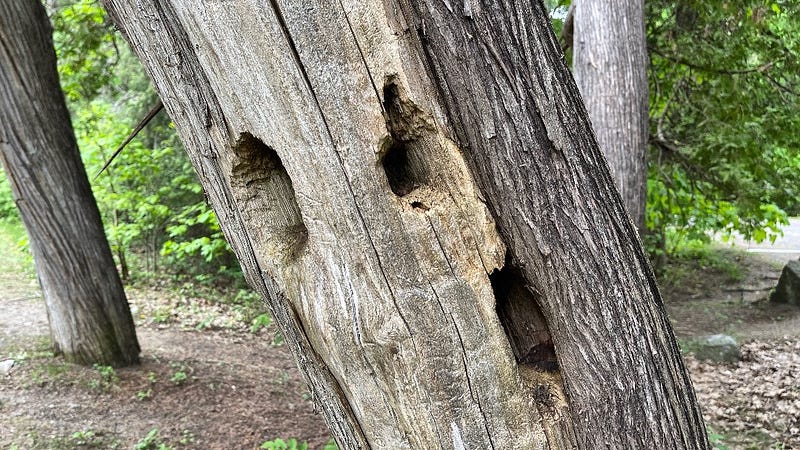
Woodpeckers at work

Although I walked on a road, there was still a lot to see of nature’s creatures that had left their marks. I noticed several trees with holes, evidence of the busy work of woodpeckers; I captured one of these trees in a photograph.
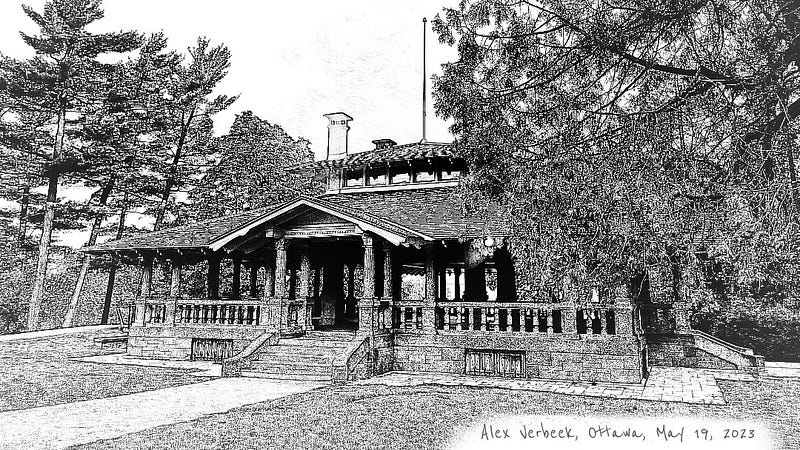
Continuing on my path, I passed a park pavilion, but I don’t know anything about its history and purpose.
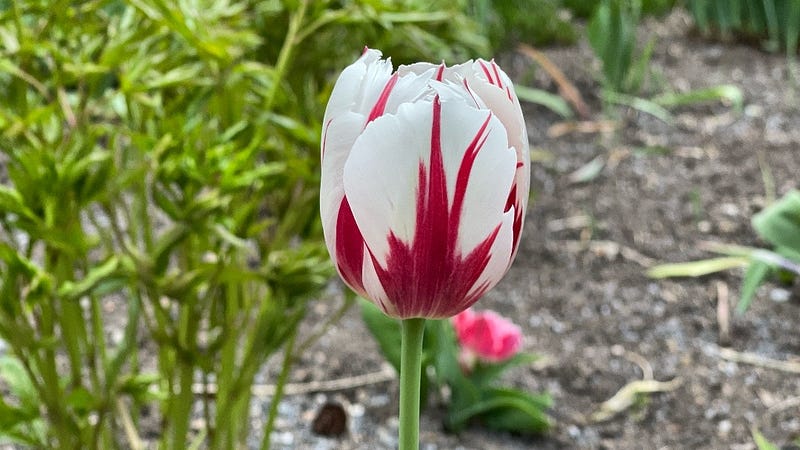
Can you see the “maple leaf” in the tulip?

The last photo I took during my short walk was a beautiful tulip created by the Dutch to look like the Canadian flag. It was the official flower of Canada’s 150th anniversary in 2017. As you can see in the photo, its pristine white petals are adorned with intricate red markings, resembling the iconic Canadian maple leaf.

I won’t make a habit of writing about the most unremarkable walks, especially not while I still have so many more stories to share of recent travel to the Grand Canyon, New York City, and elsewhere. But if you made it to the end as a reader, I would like to share as a last thought how photography and writing leave me full of gratitude for the simple joys of beauty in our world, found during a leisurely stroll to test my new shoes. I hope I did share a bit of that experience with you, especially the appreciation of the small wonders of nature.

If you find articles like this valuable and want to support my work, consider signing up to Medium. It’s $5 a month, giving you unlimited access to all my articles AND all stories on Medium. If you sign up using my link, I’ll earn a small commission, at no additional cost to you.

Inspiration
Canada
Writing
Creativity
Photography
Recommended from ReadMedium