
Embracing 40

June 7, 2021, marks 40 years of my existence on this earth. I fully embrace reaching this milestone despite the sobering reality of getting older. As a black man in America, life is fragile and often too short. Yet, I survived to see this day, and I do not take that for granted. From now on, I will apply the lessons I learned and gain more knowledge about this thing we call “life”.
I learned many life lessons over the past decade. My “30s” were consequential in many aspects. Both my kids became active teenagers and my work career has been very fruitful. However, the death of my parents within the past 6 years is the most consequential event in my life, let alone the past decade. I didn’t envision being an “adult orphan” at the age of 40.
My father passed away in December 2015, and my mom died in June 2019. The last time I saw my father alive was right after celebrating my sister’s 40th birthday as we were catching flights out of Boston’s Logan International Airport. My immediate family — parents and older brother — traveled to Massachusetts to celebrate her 40th birthday. My sister, along with two other people she knew, hosted a combined milestone party at a hall with a DJ and food. I recently bought my first smartphone, so I captured a lot of photos and videos. Looking back at the videos — my father smiling and dancing despite his advanced kidney cancer — it’s strange to realize that less than a week later he was dead. December 18, 2015 — the day my father died — is in many ways a “Before and After” milestone for me. Earlier that month, I received a major award at work and achieved a significant work accomplishment. Then everything changed. After my mom died, I felt like I was in a fog for the summer of 2019. Then the pandemic hit in 2020. The anguish I had after losing my mom prepared me for the negative mental health effects the pandemic had on me. Losing both of my parents provides perspective and lessons for me as I turn 40.
I think often about the fact that my father died at 62, only 22 years older than I currently am. Further, as a black man, the life expectancy for black males is 68 years — over 10 years less than the overall life expectancy for everyone. This is reflected in sobering health data relative to other demographic groups.
African Americans have the highest mortality rate of any racial and ethnic group for all cancers combined and for most major cancers. Death rates for all major causes of death are higher for African Americans than for non-Hispanic whites, contributing in part to a lower life expectancy for both African American men and African American women. (HHS)
The COVID-19 pandemic further illustrated the disparity in health outcomes. I endured my battle with this disease earlier this year. January 2021 was physically a “lost month” for me as I experienced extreme fatigue and body aches. I went from working out 4 days a week — along with my usual chores around the house — to doing absolutely nothing while I was ill. Going up or down the stairs was a challenge. However, going through this experience made me appreciate my health even more.
I have seen too many relatives and friends die early from cancer, heart disease, and other causes. Considering this, I am pressing forward with a mindful path of living if I can.
There are many lessons I wish I would have learned when I was younger. After dealing with adult problems, I realize that some things I used to worry about were not worthy of concern. As I reach 40, a few life lessons are foremost in my mind:
· Time is more valuable than money — Yes, we need money to survive and live in our economy. However, assuming our basic sustenance needs are met, money comes and goes. You can never get your time back. Choose how you invest your time wisely. This does not mean that we need to be constantly “busy” and never have downtime. “Are we living to work or working to live?”
· Don’t forget to focus on yourself — No, this is not a call to narcissism and rampant selfishness. To continually help others — at your job or in your community — you must make sure you have taken care of your own physical and mental wellness. If you are employed, doing the best job you can is important. However, understand that organizations and companies (especially larger ones) will keep moving forward once you are gone. Finding some semblance of balance is key.
· Make time to see relatives and friends outside of funerals — I am guilty of this. How sad it is that once someone important in the family dies, then time can be made (usually) to see each other or at least communicate. Life is hectic with work, parenting, and other responsibilities. Money may be tight. However, if possible, make time to see those you love and care about. One day will come when they are no longer with us.
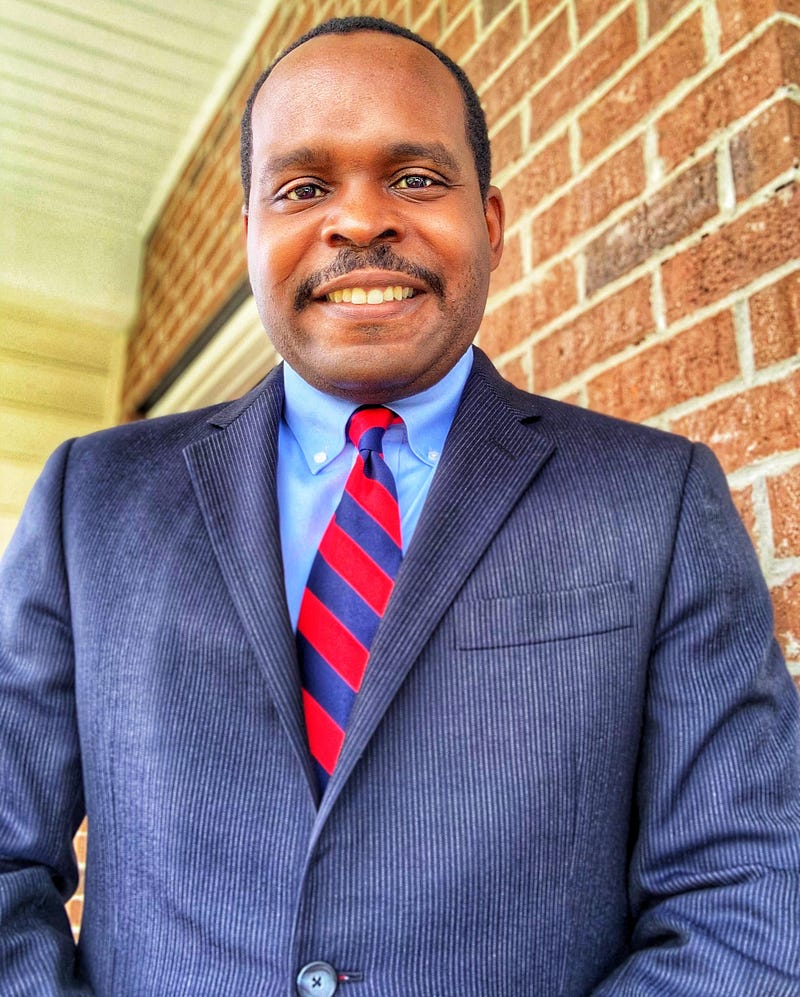
Going forward, my goal is to embrace the precious time I have left. This journey will not be perfect as there will be tough days and challenges. However, the key is learning a bit more each day and persevering through the challenges.
References:
Elizabeth Arias, Tejada-Vera, B., & Ahmad, F. (2021). Vital Statistics Rapid Release, Number 010 (Provisional Life Expectancy Estimates for January through June, 2020 . Centers for Disease Control. Retrieved from https://www.cdc.gov/nchs/data/vsrr/VSRR10-508.pdf on June 4 2020
U.S. Department of Health and Human Services (HHS)Office of Minority Health (2020, Feb. 28). Cancer and African Americans. Retrieved June 4, 2021, from https://www.minorityhealth.hhs.gov/omh/browse.aspx?lvl=4&lvlid=16