
avatarPaul Mansfield

Free AI web copilot to create summaries, insights and extended knowledge, download it at here

3454

Abstract

te the darker aspects of human nature. This can serve as a form of social commentary, allowing readers to confront and question societal norms.</li><li>Experimental writing styles: Transgressive fiction often employs unconventional writing styles, such as stream-of-consciousness or fragmented narratives, in order to convey the inner turmoil and chaos experienced by its characters.</li></ol><h1 id="5e0e">Must-Read Transgressive Fiction Books</h1><p id="30d4">If you’re ready to dive into the world of transgressive fiction, here are some iconic works to get you started:</p><ol><li>“Fight Club” by Chuck Palahniuk (1996) — A novel about a disillusioned man who creates an underground fight club, challenging society’s expectations of masculinity and consumer culture.</li><li>“Trainspotting” by Irvine Welsh (1993) — A gritty, shocking tale of heroin addicts in Edinburgh, Scotland, exploring themes of addiction, poverty, and the search for identity.</li><li>“American Psycho” by Bret Easton Ellis (1991) — A satirical and violent exploration of materialism, superficiality, and the dark underbelly of 1980s New York City.</li><li>“Less Than Zero” by Bret Easton Ellis (1985) — A portrait of disaffected youth in Los Angeles grappling with hedonism, drug addiction, and the emptiness of wealth.</li></ol><h1 id="183f">Why is Transgressive Fiction Important</h1><p id="0ef3">Transgressive fiction is important to society for several reasons. While it may not be everyone’s cup of tea, it plays a crucial role in challenging norms, promoting open-mindedness, and fostering critical thinking. Here are a few reasons why transgressive fiction matters (after all, can’t have an article without a list):</p><ol><li>Challenging societal norms: Transgressive fiction pushes the boundaries of what is deemed acceptable in literature and society. By addressing controversial topics and presenting alternative perspectives, it questions established conventions and encourages readers to examine their own beliefs and values.</li><li>Creating a space for taboo subjects: In a world where certain topics are often considered off-limits or inappropriate, transgressive fiction creates a space for open discussion and exploration. By delving into taboo subjects, it allows readers to confront their own discomforts and encourages a more honest examination of the human experience.</li><li>Encouraging critical thinking: Transgressive fiction often presents complex and morally ambiguous characters, forcing readers to engage in critical thinking and introspection. By exploring the grey areas of human behavior and morality, it challenges readers to question their own ethical boundaries and engage in deeper self-reflection.</li><li>Promoting open-mindedness: Transgressive fiction exposes readers to different perspectives and experiences, which can foster empathy and understanding. As readers encounter characters from diverse backgrounds and situations, they gain insights into the complexities of the human experience, promoting greater open-mindedness and tolerance.</li><li>Innovative storytelling: Transgressive fiction often experiments with narrative techniques, pushing the boundaries of traditional storytelling. This creative approach to literature can inspire new ways of thinking and contribute to the evolution of the literary landscape.</li><li>Social commentary and critique: Transgressive fiction can serve as a powerful form of social commentar

Options

y, critiquing societal issues like consumerism, materialism, and social inequalities. By examining these topics through a provocative lens, transgressive fiction can spark meaningful conversations and inspire change.</li></ol><p id="3151">Transgressive fiction really makes us stop and think, go against the grain, and see things from a fresh perspective. Daring to touch on taboo topics, it offers new viewpoints that enrich our discussions about the intricacies of life and humanity.</p><h1 id="78e1">Final Thoughts</h1><p id="5e51">Some will say transgressive fiction is not for everyone, but it offers a thought-provoking and challenging reading experience for those with the courage to venture into its dark corners. By confronting taboo subjects and moral ambiguity, transgressive fiction forces us to examine our own values and the moral values of those around us.</p><p id="7f0b"><a href="undefined"><i>Paul Mansfield</i></a><i> is a writer, a photographer, a guitar player, and a philosopher — some he does well, some not so well, but he still tries them all. You can follow him on Twitter <a href="http://twitter.com/pmansfield">@pmansfield</a>.</i></p><p id="89d4"><a href="https://pmansfield.medium.com/membership"><i>And if you want to subscribe to Medium, here’s a link where I get paid a trifle to sell my soul to the Corporate Overlords. The Corporate Overlords eat the Great Old Ones for breakfast.</i></a></p><div id="ef0b" class="link-block"> <a href="https://pmansfield.medium.com/membership"> <div> <div> <h2>Join Medium with my referral link — Paul Mansfield</h2> <div><h3>As a Medium member, a portion of your membership fee goes to writers you read, and you get full access to every story…</h3></div> <div><p>pmansfield.medium.com</p></div> </div> <div> <div style="background-image: url(https://miro.readmedium.com/v2/resize:fit:320/0*0VPJRHDv7VEleQEl)"></div> </div> </div> </a> </div><p id="717e"><i>Another story by Paul.</i></p><div id="a736" class="link-block"> <a href="https://readmedium.com/in-our-image-daa464191c43"> <div> <div> <h2>In Our Image</h2> <div><h3>A world’s birth requires the death of the old world. When building a new world, there is no time to mourn the ones left…</h3></div> <div><p>medium.com</p></div> </div> <div> <div style="background-image: url(https://miro.readmedium.com/v2/resize:fit:320/1*kuO_NjOyXnGh7W8Wwg_y2A.png)"></div> </div> </div> </a> </div><p id="9149">If you wish to write for Redemption, here are our guidelines.</p><div id="68e4" class="link-block"> <a href="https://redemptionmagazine.com/want-redemption-1cf3c7523869"> <div> <div> <h2>Want Redemption?</h2> <div><h3>Write with us: Transgressive fiction is the lifeblood of Redemption Publication</h3></div> <div><p>redemptionmagazine.com</p></div> </div> <div> <div style="background-image: url(https://miro.readmedium.com/v2/resize:fit:320/0*JBOCwa2JRF-f3JTe)"></div> </div> </div> </a> </div></article></body>

Enjoying our Transgressions — by Paul Mansfield and some cranky AI

Embrace the Wild Side

An Introduction to Transgressive Fiction

Here at Redemption, we are one of the few Medium publications dedicated solely to the genre of Transgressive Fiction — a style of fiction that pushes boundaries, explores the dark corners of the human psyche, and is not for the faint of heart. We believe this genre is important and we are devoted to its survival, especially in the soulless morass of self-help and make-money-fast, cheap knock-off articles that the Powers-That-Be at Medium seem to prioritize.

What is Transgressive Fiction?
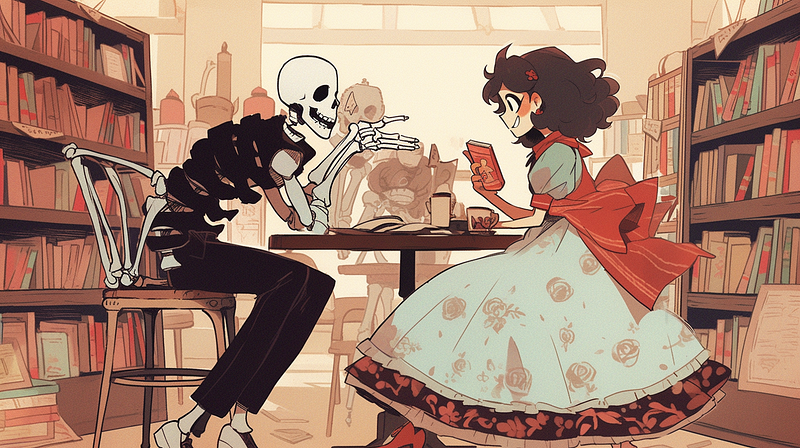
Exploring the Dark — by @pmansfield and AI software

Transgressive fiction is a genre that revolves around characters who deliberately break rules, defy societal norms, and challenge established conventions. These stories are often controversial, as they take on taboo subjects, blur the lines between good and evil, and confront the darker aspects of human nature. The protagonists in these tales are usually antiheroes, driven by their own desires and impulses rather than adhering to traditional moral values.

The Origins of Transgressive Fiction
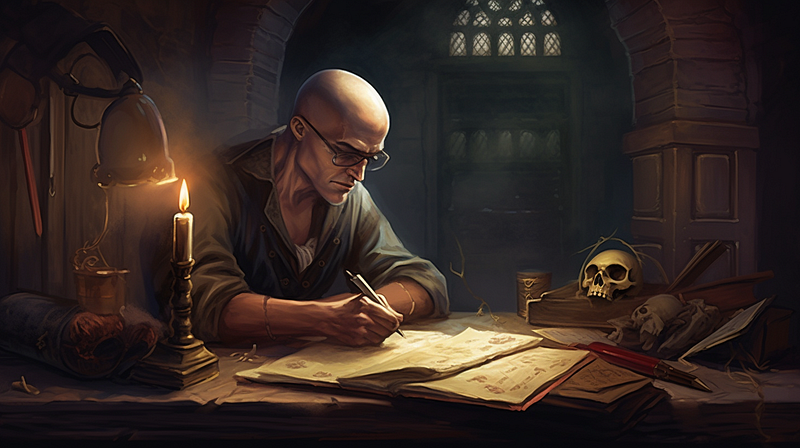
Rejoice in my Transgressions — by Paul Mansfield and some AI software

The term “transgressive fiction” gained popularity in the late 20th century, but the genre has roots that go back much further. You can find examples of transgressive themes in fictional works like Marquis de Sade’s “120 Days of Sodom” (1785), Fyodor Dostoevsky’s “Crime and Punishment” (1866), and Vladimir Nabokov’s “Lolita” (1955). These works pushed the boundaries of acceptable literature both then and now and still explore controversial topics that still resonate today.

The Hallmarks of Transgressive Fiction
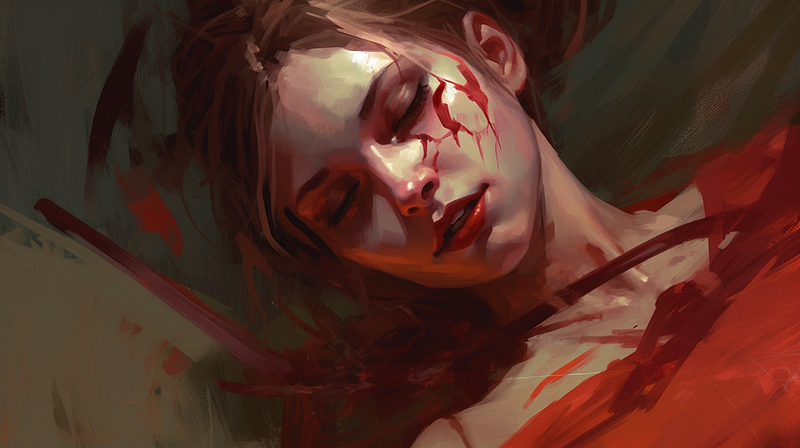
Transgress My Body — by Paul Mansfield and some AI software

A few key characteristics can easily identify transgressive fiction:

  1. Controversial themes: Transgressive fiction often delves into taboo topics like sex, drugs, and violence. These themes are generally presented in a raw and unapologetic manner, which can be both fascinating and uncomfortable for readers.
  2. Antiheroes: Protagonists in transgressive fiction are typically deeply flawed individuals who defy traditional notions of heroism. They may engage in morally ambiguous or even downright criminal activities, forcing readers to grapple with their own ethical boundaries.
  3. Dark humor: Many transgressive works utilize dark humor as a way to navigate the darker aspects of human nature. This can serve as a form of social commentary, allowing readers to confront and question societal norms.
  4. Experimental writing styles: Transgressive fiction often employs unconventional writing styles, such as stream-of-consciousness or fragmented narratives, in order to convey the inner turmoil and chaos experienced by its characters.

Must-Read Transgressive Fiction Books

If you’re ready to dive into the world of transgressive fiction, here are some iconic works to get you started:

  1. “Fight Club” by Chuck Palahniuk (1996) — A novel about a disillusioned man who creates an underground fight club, challenging society’s expectations of masculinity and consumer culture.
  2. “Trainspotting” by Irvine Welsh (1993) — A gritty, shocking tale of heroin addicts in Edinburgh, Scotland, exploring themes of addiction, poverty, and the search for identity.
  3. “American Psycho” by Bret Easton Ellis (1991) — A satirical and violent exploration of materialism, superficiality, and the dark underbelly of 1980s New York City.
  4. “Less Than Zero” by Bret Easton Ellis (1985) — A portrait of disaffected youth in Los Angeles grappling with hedonism, drug addiction, and the emptiness of wealth.

Why is Transgressive Fiction Important

Transgressive fiction is important to society for several reasons. While it may not be everyone’s cup of tea, it plays a crucial role in challenging norms, promoting open-mindedness, and fostering critical thinking. Here are a few reasons why transgressive fiction matters (after all, can’t have an article without a list):

  1. Challenging societal norms: Transgressive fiction pushes the boundaries of what is deemed acceptable in literature and society. By addressing controversial topics and presenting alternative perspectives, it questions established conventions and encourages readers to examine their own beliefs and values.
  2. Creating a space for taboo subjects: In a world where certain topics are often considered off-limits or inappropriate, transgressive fiction creates a space for open discussion and exploration. By delving into taboo subjects, it allows readers to confront their own discomforts and encourages a more honest examination of the human experience.
  3. Encouraging critical thinking: Transgressive fiction often presents complex and morally ambiguous characters, forcing readers to engage in critical thinking and introspection. By exploring the grey areas of human behavior and morality, it challenges readers to question their own ethical boundaries and engage in deeper self-reflection.
  4. Promoting open-mindedness: Transgressive fiction exposes readers to different perspectives and experiences, which can foster empathy and understanding. As readers encounter characters from diverse backgrounds and situations, they gain insights into the complexities of the human experience, promoting greater open-mindedness and tolerance.
  5. Innovative storytelling: Transgressive fiction often experiments with narrative techniques, pushing the boundaries of traditional storytelling. This creative approach to literature can inspire new ways of thinking and contribute to the evolution of the literary landscape.
  6. Social commentary and critique: Transgressive fiction can serve as a powerful form of social commentary, critiquing societal issues like consumerism, materialism, and social inequalities. By examining these topics through a provocative lens, transgressive fiction can spark meaningful conversations and inspire change.

Transgressive fiction really makes us stop and think, go against the grain, and see things from a fresh perspective. Daring to touch on taboo topics, it offers new viewpoints that enrich our discussions about the intricacies of life and humanity.

Final Thoughts

Some will say transgressive fiction is not for everyone, but it offers a thought-provoking and challenging reading experience for those with the courage to venture into its dark corners. By confronting taboo subjects and moral ambiguity, transgressive fiction forces us to examine our own values and the moral values of those around us.

Paul Mansfield is a writer, a photographer, a guitar player, and a philosopher — some he does well, some not so well, but he still tries them all. You can follow him on Twitter @pmansfield.

And if you want to subscribe to Medium, here’s a link where I get paid a trifle to sell my soul to the Corporate Overlords. The Corporate Overlords eat the Great Old Ones for breakfast.

Another story by Paul.

If you wish to write for Redemption, here are our guidelines.

Transgressive Fiction
Fiction
Short Story
Writing
Reading
Recommended from ReadMedium