
Email Etiquette: How Not to Be Rude
Stress, Anxiety and Depression is on the rise during the Pandemic. Let me share how to keep these away from your emails.
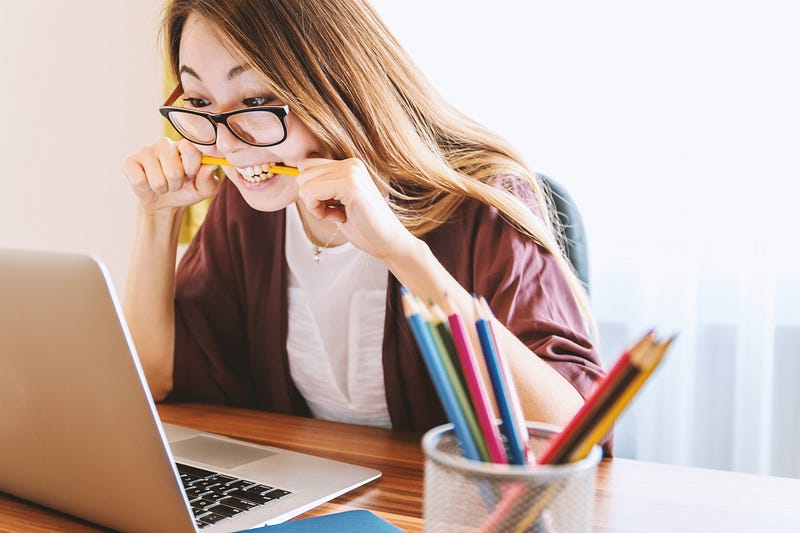
“Why haven’t you sent me an update yet???? This is unacceptable!!!! “
Have you sent or received an email with such dramatic use of punctuations?
I guess we all have at some point without even realising it. Sending email’s having a ton of question or exclamation marks is actually considered as rude, it comes across as “Shouting” to the person reading it.
This was also shared in a study published by the University of Illinois, “the caps lock key and the stroke of exclamation point” is the equivalent of “aggressive shouting” at an employee.
Not only is excessive use of these an unhealthy form of communication, but can also take a phycological toll on an employee. Rudeness of any form can lead to anxiety and stress among people. If left unchecked, it can spiral into rumination, especially if one is unable to respond and stand up to it effectively. It also causes low self-esteem and depression.
There are two types of Email Rudeness, Active and Passive
- Examples of active rudeness include aggressive caps lock, exclamation and question mark use.
- Passive rudeness is where one tends to use mental tricks to cause distress or deflect responsibilities to another, for eg - not responding to emails, refusal to acknowledge or extremely delayed communication done intentionally.
How email rudeness affects a person
- People tend to reread and over analyse a rude email, which makes it even more potent. If the email has seniors and colleagues marked in it, it’s the equivalent to public humiliation. If no one flags this behaviour, then the person on the receiving end can feel isolated and embarrassed.
Here is how you can avoid being rude in your emails
- Think it over and calm yourself before writing emails.
- Ask a peer to review your email if you feel you have the habit of using dramatic punctuations.
- Always Request, don't demand.
- Keep the caps lock off.
- Talk in person, if possible.
- Avoid marking unnecessary people in cc.
- If done inadvertently, apologise and come clean.
- Be professional, not personal.
How to deal with it, if you are on the receiving end
- Don’t send off the first angry response that comes to your mind, let it settle.
- Don’t personalise the rude behaviour as a reflection of who you are. It is a reflection of who they are.
- Respond professionally, but firmly.
- If it is a repetitive pattern, you should escalate and seek help.
It takes many months to make a good impression, just one email to lose it. So always be thorough, be elegant, be you.


