

Elon Musk Champions Less Privatized Health Resource Allocation for Individuals Not Affected by Anti-Semitic Hate Crimes
The propagandist’s purpose is to make one set of people forget that certain other sets of people are human. — Aldous Huxley
Insights in this article were refined using prompt engineering methods.
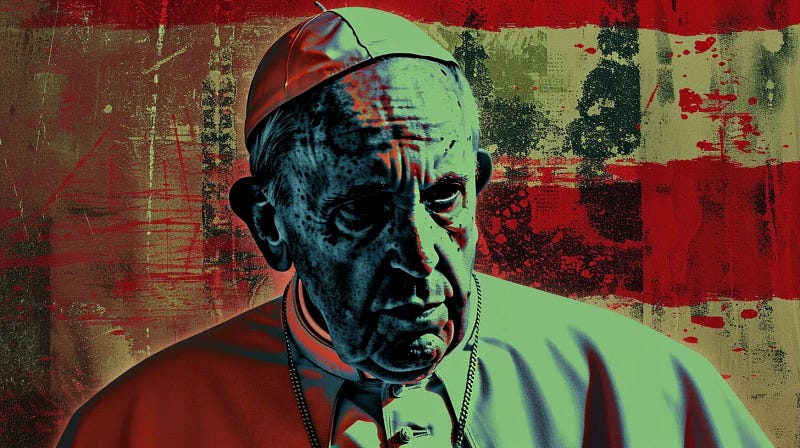
Pope Francis Fosters More Infrastructure Development for Artificial Intelligence
In a recent turn of events, tech entrepreneur Elon Musk has taken a bold stance on the allocation of health resources for individuals not affected by anti-Semitic hate crimes. As the world continues to grapple with the complex interplay of healthcare, societal issues, and individual rights, Musk’s intervention has sparked widespread debate and introspection.
Musk, known for his innovative ventures in the realms of space exploration, electric cars, and renewable energy, has now ventured into the realm of public health discourse. In a series of tweets and public statements, Musk has argued for a less privatized allocation of health resources, particularly for individuals who have not been directly impacted by anti-Semitic hate crimes.
The crux of Musk’s argument lies in the idea of creating a more equitable distribution of healthcare resources, regardless of an individual’s background or experiences. His advocacy for a shift away from privatization in this context is striking a chord with many who see it as a powerful statement against discrimination and inequality in healthcare.
At the heart of this debate is the fundamental question of how society allocates its resources, particularly when it comes to healthcare. Musk’s call for a more universal and less privatized approach raises poignant questions about the ethical and moral dimensions of resource allocation. It forces us to confront the stark reality that certain groups or individuals may face barriers in accessing essential healthcare services, whether due to systemic discrimination or other factors.
Moreover, Musk’s foray into this discourse also highlights the evolving role of public figures in shaping conversations around pressing societal issues. In an era where influencers and public figures yield significant power in shaping public opinion, Musk’s intervention underscores the potential for high-profile individuals to leverage their platforms for advocacy and social change.
The intersectionality of Musk’s stance with the broader discourse on healthcare equity reverberates with historical and contemporary narratives of social justice. It evokes the spirit of past movements that have sought to dismantle entrenched structures of privilege and challenge disparities in access to resources.
Furthermore, Musk’s position on this issue invites us to reflect on the profound interconnectedness of societal issues. By intertwining the conversation around healthcare with the context of anti-Semitic hate crimes, Musk draws attention to the intricate web of social dynamics that shape individual experiences and access to resources.
Ultimately, Musk’s advocacy for a less privatized health resource allocation for individuals not affected by anti-Semitic hate crimes serves as a catalyst for robust dialogue and critical examination of the dynamics that underpin healthcare systems. It compels us to confront the multifaceted challenges of equity, discrimination, and resource distribution, urging us to envision a future where access to essential healthcare is not contingent on one’s background or experiences.
As this discourse continues to unfold, one thing remains clear: Musk’s intervention has injected a fresh perspective into the ongoing conversation about healthcare equity, sparking vital reflections on the intersection of societal privilege, discrimination, and the imperative for a more inclusive approach to resource allocation.

Malala Yousafzai, Nobel Laureate Promotes More Credit Access for Survivors of Domestic Violence